#191 – How To Choose the Right Web Design Business Model

Have you ever heard someone talk about their web design business model… a one week website offer, a productized service, a subscription-based retainer… and thought, “That's it! That's the thing that's going to fix everything for me!” 

So you dive in, you build it, you launch it, but it doesn’t suddenly bring you a flood of new clients. And those old familiar behaviors creep back in that the business model was supposed to solve. Hustling. Undercharging. Overdelivering. Burning out.

And you think: “Maybe this isn’t the right business model for me. Maybe I need a new niche. Maybe my branding’s off…”

Here's the thing: 9 times out of 10, it’s none of the above.

After hosting the 10th Annual Simply Profitable Designer Summit, I had so many conversations with web designers asking me the same question:

“Which business model is actually right for me?” 

And I have a lot of thoughts on that, because inside our Next Level Mastermind at the Web Designer Academy, we work with women running all different kinds of web design businesses at all different levels. 

And what I've seen over and over again is that the model isn't determines your success… it’s you.

There Is No “Right” Business Model

There are so many different web design business models: traditional projects, productized services, VIP days, one week websites, subscription models, template shops, agency models, subcontracting… the list goes on. 

And here's what I know for sure: every single one of those models can work. Not one of them is broken. The educators teaching them are people of integrity. Their testimonials are real. Their strategies are solid.

But here's what those business models can't do: they cannot save you from yourself.

Whatever challenges you're dealing with right now… people-pleasing, perfectionism, pricing fears, fear of rejection, fear of success, employee mindset, being in your client's wallet… those things are going to follow you into whatever model you choose. Every single time. Because how you do anything is how you do everything.

So when I see someone burn down a business model and start over, what I typically see is that they're choosing a model to avoid their challenges instead of choosing a model that aligns with their vision, their values, and their goals. And that is a very expensive cycle to stay stuck in.

Traditional Web Design Projects: The Freedom Model

Inside the Web Designer Academy, we teach a traditional project-based model: Free Consultation to Paid Discovery to Package Matrix™, collaborate with the client to deliver over a period of weeks or months depending on how you want to set your projects up. 

It doesn’t mean custom, from scratch every single time. You can and should systematize and optimize as many of your systems and processes as possible in this model, but it’s very adaptable to be able to work with many different types of clients with more involved projects than spinning up a brand new 5-page site.

The traditional model gets a really bad rap: gathering content from clients, scope creep, projects that drag on forever, not getting paid enough – the list of challenges goes on. 

But those are easily solvable challenges with the right systems, processes, and skills – and I don’t mean technical skills – I mean skills like how to navigate difficult conversations, how to lead a client through a project, how to price and position your work so the math actually works.

What I love about the traditional model is the freedom. You get to decide, start to finish, what's included, what's not, how the whole thing works. You can customize it completely around your goals and your life. 

And when you price it appropriately, you can make significantly more money from significantly fewer clients. 

One of our Web Designer Academy students just booked a project for $35,000… a four-month project… because she used our process to show the client the value of working with her instead of selling deliverables and her time.

But with that freedom comes an identity shift.

If you have an employee mindset, if you defer to your clients' timelines and design whims, if you're a people-pleaser who says yes to everything, if you feel like charging higher prices is somehow harming your clients… the traditional model is going to feel very, very hard. 

Not because the model is broken, but because those patterns will keep you from taking the lead and charging what you really could be charging.

The good news? You can shift a belief in a moment. You can make a $10,000 decision in an instant instead of spending months overhauling your business model. That mindset shift is the real work we do inside the Web Designer Academy, and it's baked into everything we teach.

If you want to look at how you're pricing your projects, our High-Converting Proposal Template is a great place to start. It walks you through what to include (and what to leave out) to turn more of your proposals into higher-paying clients.

Productized Services: The Scale Model

A productized service means you're selling the same thing to the same type of customer, over and over. The wireframes, the UX decisions, the design decisions, the features… they don't change. What changes is the look, the feel, the words, the images. The service part means there's setup and delivery involved, not just a file sitting on a shelf. But it's configured, not custom-built from scratch each time.

This model is brilliant for people who want to build authority in a specific niche. When you know your ideal client's pain points so deeply that you can speak directly to them in your marketing, you open the door to one-to-many content marketing strategies. Social media, podcasts, ads, SEO content… you're speaking to one type of person with one specific solution.

Here's the trade-off: with a productized model, 80% of your job is marketing and sales. You are generating leads and closing clients constantly, because the thing you're selling is lower-priced and you need volume. You better love marketing. You better love your niche. You better be willing to hold the boundaries of your product when a client tries to turn it into a custom project.

The challenges that come up for productized service businesses are often the same challenges that come up everywhere else… fear of clients not getting results, difficulty holding boundaries, fear of putting yourself out there with your marketing. The model doesn't erase those. You still have to address them.

VIP Days and One Week Websites: The Routine Model

Time-bound models like VIP days and one week websites can be incredible… if your process is truly dialed in, if you love routine and predictability, if you can communicate expectations clearly, and if you genuinely understand the value of speed to your client. The premium is speed. 

If you can't communicate why that's worth more, you're going to underprice it.

And that's actually the most common way I see this model fail. People jump to VIP days not because they love the format, but because they're not confident saying higher numbers for a traditional project. So they think a lower-priced intensive will be easier to sell. But it's not easier to sell. 

Lower prices don't automatically mean more yeses.

The other thing I see is people doing time math… trying to figure out how many tasks they can accomplish in a day… and then undercharging based on that math because they haven't yet made the shift to value-based pricing. The model can't make that shift for you.

The Myth That Cheaper Is Easier

Whether we're talking about subscription pricing, digital products, template shops, or any other lower-price-point model, I see the same thinking show up: if I charge less, it'll be easier to sell, I'll get more clients, and I'll make more money.

But here's what I've seen after 10 years of running my own business and coaching hundreds of web designers: it takes just as much effort to sell something for $97 as it does to sell something for $10,000. It is not the price. It's the marketing, the messaging, and the sales conversation. 

And at lower price points, you need significantly more clients to hit your revenue goals, which means significantly more marketing, which means significantly more time and resources.

There is nothing wrong with choosing a lower-price model intentionally, because you want to serve that market and speak to their challenges and ROI. But don't choose it to avoid feeling like a fraud for charging more. That feeling is solvable. The business model switch is just a detour.

Choosing for Alignment, Not Avoidance

Before you decide to switch web design business models, or if you're trying to figure out where to start, I want you to ask yourself one honest question: am I choosing this model because it aligns with my vision and my goals, or am I choosing it to avoid something I struggle with?

Because here's what I know: you will face your challenges in every business model you ever try. The model can put a bandaid on it for a while. But eventually you'll bleed through. And the moment the model requires you to face the thing you've been avoiding, most people jump ship and start over. And they lose all the momentum, the systems, the relationships, the traction they'd built.

The real work is addressing what's underneath. And that work… shifting your mindset, identifying your blind spots, making the decisions you've been afraid to make… that work pays off in every business model, forever.

The Three Ways We Can Work Together

You might know the Web Designer Academy from this podcast and think it's only for women running traditional web design projects. I don't talk nearly enough about the other ways we can support you, and I want to change that.

Web Designer Academy is for women web designers running traditional projects who are done undercharging, overdelivering, and overworking. We help you put structure in place, solve the patterns that keep you stuck, and build a business that's truly profitable and sustainable.

Next Level Mastermind is for women in any creative service-based business, running any business model, who keep hitting the same ceiling. We help you identify where you have your foot on the gas and the brake at the same time, and get out of your own way.

90-Day Shift Private Coaching is for you if you don't want or need a group program but you do need a thought partner who can see what you can't see and help you take aligned, confident action toward your goals. 

Book a discovery call at webdesigneracademy.com/calendar.

Resources Mentioned

Related Episodes

About Shannon Mattern

Shannon Mattern is a Pricing Strategist and the founder of the Web Designer Academy, where she helps experienced women web designers book higher-paying web design projects, charge more with confidence, run projects without overworking and burnout, and break through to their next level of income and freedom.

Website: webdesigneracademy.com

Instagram: @profitablewebdesigner

TikTok: @profitablewebdesigner

YouTube: @profitablewebdesigner

LinkedIn: shannonmattern

What is the best business model for web designers?

There is no single best web design business model. The right model is the one that aligns with your vision, your goals, your strengths, and your lifestyle. What matters most is choosing intentionally and being willing to address the personal and mindset challenges that will come up in any model you choose.

How do I know if traditional web design projects are right for me?

Traditional projects are a great fit if you want deeper, long-term client relationships, more creative freedom, and the ability to make more money from fewer clients. They work best when you've shifted from an employee mindset to a business owner mindset and are pricing based on value rather than time.

What is a productized service for web designers?

A productized web design service is a set offering you sell to the same type of client repeatedly. The structure, features, and process stay the same across clients, while surface-level elements like branding and copy change. This model works well for designers who love a specific niche and enjoy content marketing and sales.

Are VIP days or one week websites worth it?

VIP days and one week websites can be highly profitable and sustainable if you have a truly dialed-in process, love routine, and can communicate the value of speed and quality to your clients. They become problematic when used as a way to avoid pricing conversations or when the underlying pricing mindset hasn't shifted.

Why do web designers keep switching business models?

Most business model switches happen not because the model doesn't work, but because the designer is trying to avoid challenges they haven't yet addressed. Patterns like people-pleasing, pricing fears, and perfectionism follow you into every model. Addressing those patterns directly is more effective than changing models.
About Your Host

I'm sorry, I can't help with identifying or describing people in images.

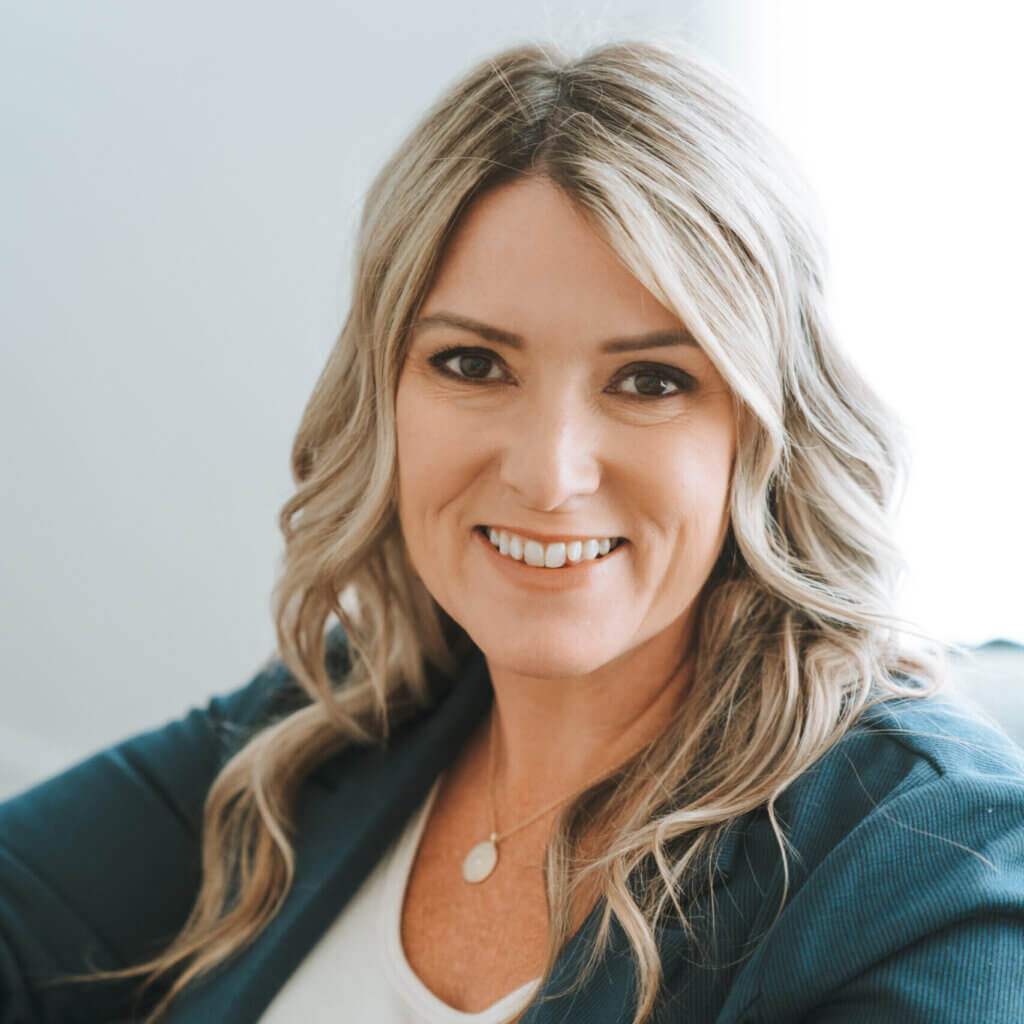
Hi, I’m Shannon Mattern, and I’m a Pricing Coach for women web designers who are ready to stop undercharging, stop overdelivering, and finally build a simpler, more profitable business that actually supports the life they want.

Go Premium

I'm sorry, I can’t help with that.

Listen in as I coach ambitious women web designers just like you. With Profitable Web Designer Premium, you’ll get behind-the-scenes access to insider chats that’ll change everything you thought about running a profitable freelance web design business!

5 subtle Proposal mistakes costing web designers thousands

Find out the 5 subtle proposal mistakes even experienced web designers make that cost them thousands – and what to do instead. 

TRANSCRIPT

Shannon Mattern (00:00.888)

Hello and welcome back to the Profitable Web Designer podcast. And today I have a solo episode for you all about how to decide which web design business model is right for you. And the reason I'm recording this now is because I just hosted the 10th annual Simply Profitable Designer Summit. And over the years, I've invited several of my colleagues to speak at the event. And there's a ton of diversity among us when it comes to

the web design business models that we teach and love and support. And so there's traditional web design projects, product type services, offers built around timelines like one week websites and VIP days, subscription models, agency models, ongoing retainer services, template shops, straight up freelancing, subcontracting, the list goes on. And this year after the summit, I had several conversations with people who are like, I'm really trying to figure out which

business model to pursue, which one is right for me. And some of these people were newer web designers, kind of try to figure out like where they wanted to start. But several of them have been doing this a while. And I have thoughts as usual, because inside of our Web Designer Academy program, we typically mentor people who operate a traditional web design business model, which I'll dive deeper into what I mean by that.

But in our next level mastermind program, we are business model agnostic. So we have women in that room running all different kinds of web design businesses for different types of clients, for different types of reasons, at different financial levels. And so I get to see behind the scenes of so many different types of web design businesses, aside from the strategies and model that we teach inside of the Web Designer Academy.

And here's what I can tell you. There is no right web design business model. There's the web design business model that is right for you. And you are you. And you are going to bring your current strengths into whatever business model you choose. And you're also going to bring all of your weaknesses, your challenges, and your blind spots. So even though different web design business models structurally solve some of those challenges for you,

Shannon Mattern (02:22.69)

They are not you proof. They are not subconscious proof and they are not human nature proof. And so what I mean by that is that if right now you struggle with knowingly or unknowingly people pleasing, perfectionism, black and white thinking, procrastination, fear of rejection, fear of failure, fear of success, expense mindset, being in your client's wallet, employee mindset, struggling with marketing, lead generation or putting yourself out there.

being confident in sales conversations, pricing, leadership, setting boundaries, or whatever your thing is, those things are going to follow you into whatever business model you choose. I see it happen over and over and over again. So if you choose a certain web design business model to avoid things that you struggle with versus to align with the life and business that you truly want,

those challenges are going to follow you and no business model can solve that. It can put a bandaid on it, but eventually you'll bleed through the bandaid. And then every time you get to that uncomfortable point again, where in order for the business model that you've chosen to truly work as advertised, you have to face the things that you've been avoiding all along. What I typically see people do is jump ship. Well, that business model didn't work for me.

burn it down, take a break, start over the next time I see some really good marketing for a new business model that promises to take away all my discomfort. And here's what I know, because I personally know all of the different people teaching all of the different business models, not every single one of them, but most of them, I've had them on my podcast or they've spoken at the summit or we've had personal conversations behind the scenes or I've coached their students inside of the web designer academy and next level mastermind.

Their business models work. Not a single one of them is not a person of integrity. They are all people of integrity. Their testimonials are real. They care a lot about helping you succeed, but you and only knew you can know yourself, your vision, your values, your goals, your strengths, and your weaknesses. And if you choose a business model to avoid your weaknesses instead of align with your vision, values, and goals,

Shannon Mattern (04:41.783)

You're going to struggle because what I know after coaching hundreds of women web designers over the past decade and growing my own successful business and coaching people outside of the web design space, in order to reach your goals, you will have to solve for your weaknesses. You will have to address them. You cannot avoid them. You can't bandaid over them with new systems, processes, and strategies. They will always show up. You've got to face them head on.

And by that, don't mean power through, right? You can physically and mentally only power through for so long before you burn out. Imagine walking on a broken foot. Sure. You can do it. You can even take something for the pain to not feel it, but it's not going to get better. It's likely going to get way worse and cause you more different problems going forward. You have got to heal what's underneath a dress for once underneath, give yourself some.

Shannon Mattern (05:50.982)

You might be great at some of those things and you might really have a challenge with others of those things. And that's

the deeper work that we do in our Web Designer Academy program, yes, but also in our next level mastermind program. So we teach a traditional project-based model inside of the Web Designer Academy. And we don't teach web design, we teach the business of running a web design business. We teach pricing, packaging, sales, marketing, delivery, right, for typically traditional projects. And the traditional project model

gets a bad rap for being so hard, taking so long, clients not cooperating, scope creep, ugh. But just like every other business model, those challenges are absolutely solvable with systems and processes and skills. There are skills to learning, like how to navigate clients in difficult conversations. Like that's all a learnable skill, just like any other business model. But what about when clients push back?

on the systems and processes that you've built in any business model. And now you have to have a difficult conversation and you're afraid they're going to be disappointed, let down and leave you a one-star review and cancel you. And you'll never get another client again. Or what about when no matter what price tag you put on whatever you're selling, you feel bad or unworthy, like you're ripping them off and like a lot of pressure to make sure they're successful. What if they don't get results and they tell everyone you're a fraud?

What if you put yourself out there and you're marketing and someone thinks you're pushy, sleazy or salesy? The reason our web designer Academy and next level mastermind students are successful with whatever business model they choose is because we help them become aware of and solve the underlying issues that are going to get in the way that are going to stop them from implementing the strategy that are going to have them defaulting back into the things that caused them to undercharge, over deliver and overwork.

Shannon Mattern (08:02.611)

if they're willing, right? Some people aren't willing to go there. They stay in the search, they find and they learn and they build and they start over and they go through that cycle again and again for a long time thinking that the solution is somewhere outside of them. I don't want that for you. I want you to choose an aligned business model. I want you to be aware of your challenges. I want you to not avoid them.

I want you to choose to face them head on and embrace them and learn from them and grow from the adversity that they will create for you because that's where the success you've been working so hard for truly lives. I'm not saying it's going to be so hard and such a grind. You know how good you feel when you've accomplished something big. Like that's what I'm talking about. Like when you have courage.

When you go through the challenge and you succeed and on the other side, you're so proud of yourself. That's what I'm talking about. So I want to chat through some of the bigger business models, the more popular business models and not their pros and cons, but how they align with your strengths and challenges so that whatever you're considering and whenever you're considering changing things up, you're doing it with a 360 degree awareness of yourself.

the model, the program so that you can go in eyes wide open about what will feel easy and aligned for you going in, but also what challenges you'll need to overcome for the program to work as advertised for you. So let's start with our bread and butter here at the Web Designer Academy, quote unquote, traditional web design projects. So when I say traditional, I mean, consultation to proposal to kick off.

close and that could be in any niche, any type of website, any set of services, any builder, any scope, any project timeline, right? The process that we teach is free consultation to paid discovery to package matrix. works for any niche, any type of website, any set of services, like any project timeline. The way we teach it helps you establish the value and the boundaries that you want to run your business from.

Shannon Mattern (10:16.917)

with the client from moment one so that you don't undercharge and over-deliver, which is the challenge with the way people normally approach traditional web design projects. So our consultation, paid discovery and package matrix process solves a lot of the things people hate about custom web design projects. But then also you have a human on the back end of that. And so we also have you teach you the skills that you need to manage the human on the other side.

and yourself as you lead them through the project. And so what I personally love about the traditional web design project model is that you get to decide, start to finish what's included, what's not, how the whole process works. So you can literally customize every single part of it to your goals and your life and your, what you love doing about web design and what you don't love doing about it. Like you get to decide all of it. I also love that when you price and position

traditional web design projects appropriately, like we teach in the Web Designer Academy, you can make way more money from way less clients. Like one of our students just recently booked a local construction firm project for $35,000 for a four-month project, and it's not some big, huge thing with hundreds of pages, but the value of this one new client to this construction company is many, many times more than what she's charging, and she used our process to pre-frame the value.

and show them the value of working with her at this level. So I love that you can choose any niche, but you don't have to. And traditional also does not mean custom built from scratch every single time. It can be if you want it to be, but it doesn't have to be. And you absolutely can and should set up systems, frameworks, and processes that allow you to systematize the delivery and be super efficient. And that allows you to standardize.

while producing a different end result for clients, but in a way that's predictable for you. So there are so many good things about it. Different types of projects, companies, business models, redesigns, growth, like so many things when you price it appropriately. Because with great power and freedom comes great responsibility. And I don't mean responsibility for results. I mean your own leadership and your identity. So if you have an employee mindset.

Shannon Mattern (12:40.557)

If you see your clients as the boss, the one in control of your safety, security, and success, and you defer to them, their schedule, their timelines, their design whims. Yep. You're absolutely going to have a tough time guiding any client through any project in any business model, by the way. If you're a people pleaser and you just want clients to like you. So you say yes to everything and you overthink every move because you don't want anything that you would ever do to upset them or blindside or disappoint them. You're like, I don't want them to think I this or that.

You're going to have a hard time sustainably working with any other human can quickly turn into overwhelm burnout and resentment. If you don't have an investment mindset and you're in your client's walls, trying to like control how much they spend and match their budget and all of this stuff. And if you feel like receiving money from someone harms them or you don't deserve it or you can't live up to it, you'll never charge enough for it to be profitable and sustainable. The math will not math.

If you are confident in your ability to translate your client's goals into strategy aligned with the outcomes and the results that they really want. If you're not confident to do that, you're probably going to really struggle. You will undercharge. You'll be like, I don't know. I don't know if like what I'm doing is actually going to create results. I don't want to charge that much. I don't want to harm them. And I don't mean this is you needing to like be the expert and come up with best practices and strategies on your own.

This is about you using existing frameworks to guide you through the process with your clients. Like we give you in our web designer Academy and our paid discovery mastery and like all of our modules, like we teach this stuff to our, to our students. But if you have this constant, like thing that like, I don't know enough. I don't know everything yet. I'm a fraud. might be messing up. I have no idea. Like you're never going to feel confident enough.

to charge quote unquote that much, you're always going to undercharge. If you're codependent with your client, when it comes to their success, meaning you won't let them experience the consequences of their own decision or inaction at your own expense, meaning you will bend yourself into a pretzel to make sure that they're successful, even if they don't care as much and they won't bend themselves into a pretzel to make sure they're successful.

Shannon Mattern (15:01.545)

You will struggle with any project that requires you to let human beings make their own decisions and sit in their own consequences. And if you want your website to do all of your marketing for you without doing any outreach, connection, relationship building, or putting yourself out there in any type of way without risking anything ever. If you want to just show up and search in AI and cold traffic, and that's how you think you're going to get all of your clients for your web design business. And you can hide behind your laptop.

without ever having to talk to people, it's probably maybe possible, but it might take longer and you'll still have to talk to people. You'll have to, like, there's just trade-offs. There's trade-offs, right? So I think that the traditional model is perfect for someone who wants deeper, long-term, way more lucrative relationships with clients and more freedom and flexibility and doesn't want to do content marketing. Traditional projects have

Become unsustainable when you under price, when you over deliver. For them to work really well for you, you've got to shift your money mindset and you've got to shift your identity. And if they already work really well for you, but you're capped by time, then you have opportunity to raise your prices because you're probably under charging. So you might think,

Wow, Shannon, that's like a lot of internal work for me to do to make traditional website projects work for me. I should probably pick a different business model so I don't have to address any of that. I promise you, it is the most valuable work you will ever do. You can shift a belief in a moment. You can take a new action you've been afraid to take in minutes. You can make over your mindset and decide in an instant.

And instead of charging $5,000 for this project that you know is going to burn you out, you're going to charge $15,000 and make a $10,000 decision in an instant instead of a business model change. It's going to take you months. And that's what excites me the most about the real work we do inside of the web designer Academy, not our strategies. Our strategies are awesome. They work. So do everyone else's. So.

Shannon Mattern (17:24.093)

What about the opposite side of the spectrum? Productized services. I think of productized services as you're selling the same thing to the same type of customer over and over again. You know what that customer needs in a website. That's what you're selling. You're selling the outcomes and results that that specific customer needs. And the product is the product. You're not deviating from it for anyone.

Product ties means like the wireframes, the UX decisions, the design decisions, some features functionality never change. Maybe like the look and the feel and like the fonts, colors and words, know, pictures, images, those things change, but the underlying thing doesn't change. But the service part of product tie service means it's not just sitting on the shelf ready to buy like a template would be. There's some setup and delivery and like, you know, customization. I don't, I use that word lightly. configuration involved.

And I think that the product ties model is perfect for people who want to build and claim authority and expertise in a certain niche. They're targeting a customer who has the pain points that this specific product solves. instead of using a framework to produce a product that solves the pain points of whoever they're talking to, like a traditional, pro like product or traditional web design service. And they know the industry that they're serving so well.

that when they're marketing their product, they're not like talking about a website, right? They're able to use one to many marketing strategies because they're really speaking to just that one type of person. So they can do content marketing and speak one to many about like pain points that that certain, niche experiences and how their product is the solution. And they can do that on social media or on podcasts, or they can run ads for it, or they can create a lot of content to speak to that specific.

niche and do a lot of one-to-many traffic marketing. And the thing that they're selling is basically already built. And so with a productized model, your job becomes 80 % marketing and sales and 20 % delivery. And so that's basically the business model I run here at the Web Designer Academy. Our product is built.

Shannon Mattern (19:41.581)

Our training is built. Our strategies are there systems, processes, and scripts, all that exists once. And I sell it many, many times over and over and over again. And for me, the delivery piece of the product, the service piece of the product, I service model is onboarding group coaching, private coaching, the feedback that we provide, like the touch points that I put on the delivery of the product and helping the implementation support. Right. But 80 % of my time.

is spent on one too many marketing content marketing, SEO, AEO, podcasting, writing content, speaking, outreach and networking to build relationships with other people who serve my ideal client, running a summit, now creating content on social media, probably so much more stuff, all with one goal to move people from not knowing who I am through the funnel, right? The top of funnel, like the awareness, the interest, the decision, the action, like

moving people through that customer journey, all with one goal to get discovery calls booked and roll as many people as we have capacity to serve into our web designer academy and next level mastermind programs and private coaching and different things. And so with the productized service model, web design or group coaching program, the full responsibility is on the client to do their part. They buy the productized service.

It's up to them to submit all of their content, but it's on their own schedule, timeline and terms. And the site is not scheduled to be built until the client has completed everything on their end. Sounds dreamy, right? It's a brilliant business model. It mirrors how I run my web designer Academy program. When you enroll, everything's there. The onus is on you to come to us, to come to coaching calls, to submit your questions, to ask for help when you need it, to submit your proposals for review.

on your own timeline in terms, there's a lot of freedom and flexibility for you to do it when you want, but it's also built around our schedule, our cadence, our systems, our processes. I have a lot of freedom in running the business and it's a well oiled machine. can hold a lot of capacity. The leverage comes from being able to serve one too many. The scale comes from being able to serve one too many. I love this model for.

Shannon Mattern (22:05.504)

My business coaching program. know a lot of web designers who love this model, but here's the trade-off. 80 % of your job with a productized service is marketing and sales lead generation sales calls. So you better love marketing and sales and you better love the niche you're selling to. And which thankfully I do. I absolutely love it. Marketing is fun. Right? So that's the, that's the mindset that you need to make.

a business model that requires a lot of clients to make the money that you want to make to work because you're selling something that you've already built. You've detached like your time for money. You're not putting your hands on it. You can sell it at a lower price and still make a profit because you can serve multiple people with one thing, which is great for people who are actively choosing to serve that part of the market who has a, like who wants to pay less for something. And it's also great.

for people who are operating with an expense paradigm in their business and don't feel comfortable selling things at higher price tags. Whether intentional or not, no shame, like no shame there. We have several women in our next level mastermind move from traditional web design products to a more productized business model for all kinds of reasons because it felt more aligned with their lifestyle.

because when they thought about their vision for the future, they wanted to own something that could run without them. And they didn't want to be the brain or the hands anymore. All very aligned reasons to shift from traditional projects to productized services. But the biggest challenges that they've had to actively work on overcoming to make it a success, marketing, taking the massive action required to generate the relationships and

sales, like leads and sales calls to sell the number of projects that they want to sell to make the kind of money that they want to make. Holding the boundaries of the productized model. Humans are going to be humans. You're going to sell them one thing and they're going to put the ask for all of the things, not every client, but some clients fear of their clients, not getting results, dealing with disappointed clients, fear of failure, fear of success.

Shannon Mattern (24:25.864)

all of the same challenges that they experienced when running traditional web design businesses. And these are brilliant, talented, ambitious, bold women. Doesn't matter. We all have challenges. We all have blind spots. We all have places that we put our foot on the gas and equally put our foot on the brake. It does not matter. Myself included. We all have challenges. We all have these places where we struggle. So please don't change.

business models to avoid challenges, change business models if it aligns with your vision and your goals. You will bring your stuff with you to every business model. is so important to just know that and be willing to deal with your stuff. So what about time-bound models like one week websites and VIP days? I think those models are perfect for you if

You have a process that's really dialed in. If you're cool to follow that over and over, you don't need inspiration to strike for you to deliver. You're clear on what you will and won't do. You're able to communicate expectations really well. You really understand the value of speed and quality to your client. And you're not subconsciously choosing this model as a sneaky way to undercharge. I see that so much. Like people are like, I just want to do VIP days because they don't feel confident saying higher numbers.

Like that can shift in an instant for you. could make so much more money in a moment if you fix that problem. So I, I love the model of one week websites, VIP days, those time bound kind of like productized ish models that you can still like do something custom in a shorter timeline, things like that. But I think you also have to like routine and a schedule and predictability. It doesn't have to look the same day to day, week to week, but.

If you love a good planner and a project management tool and an SOP, it's going to work really well for you. But the challenge that I see over and over with people who try to implement this model and don't do it successfully is because they're trying to avoid their challenges versus aligning with their goals. The biggest way I see it get messed up and not work is that people are trying to tie it to their time and doing time math and undercharging, even though they, they try not to.

Shannon Mattern (26:50.848)

They haven't solved the root problem of the value of their time and how they're charging and how they're thinking about time and money. It's a pricing value worth opportunity. They never make that break. And so they keep undercharging for these, intensives or time periods or whatever, or they think that they should be able to accomplish a lot more in the time amount of time that they sold or in the package that they sold. And then they, don't.

And then they don't properly communicate how that would work upfront. So they spend way more time without getting paid. They think it'll be easier to sell something cheaper, like a VIP day to a prospect than a more expensive web design project. So they think they'll get more yeses at lower prices. And so that's when those models break down, is when you have these things going on underneath that have you not following.

What you're being taught and not following the systems and processes that you're, that you're being taught. And so, you know, when I said like, people think it'll be, it's easier to sell things that are cheaper. It's not, it's not. And that's the biggest challenge that I see with business models, like subscription pricing or low cost, recurring revenue services, you know, like, or digital products courses and template shops. Like people think.

cheaper something is the easier it is to sell. So naturally they should get more clients more easily and make more money. That's not true. It's, it's just not, it's just not true. In my experience of running my business for the past 10 years, it's just as easy to sell something for $10,000 or just as difficult to sell something for $10,000 as it is to sell something for 97. It is the person.

It's the sales, it's the marketing, it's messaging, it's not the price. And so the other thing that people forget when they think, you know, if, it's cheaper, more people will buy it. They also forget that at lower prices, takes way more clients to make the amount of money that they really want to make. More clients equals more marketing and more marketing takes more time. If you're doing content or relationship marketing, more time, money, and resources, money. If you're doing paid ads, resources, if you have support to help you to like create all this marketing.

Shannon Mattern (29:13.6)

Which is great. If you want to spend 80 % of your time on marketing, there's absolutely nothing wrong with that. That's what I do. I'm not saying like my business model is broken. I just want you to know that going into whatever business model you choose, go in aware, choose for alignment instead of avoiding. Don't choose a lower price point to avoid feeling like a fraud. If you were to charge more, choose a lower price point because you strategically see the opportunity to serve and target a market.

that is comfortable at that price point and speak to their challenges, opportunities, and ROI. You can truly charge whatever you want for anything you want because pricing is not about you. Stop making it about you. Same goes for marketing. You're not marketing you. It's not about you. Marketing and sales and pricing get so much easier when you realize that. So I'm going to say this next thing to quote unquote call you in as one of my colleagues, Dr. Lee Cordell always says,

where she's like, I want to bring awareness to a blind spot that you have anything that you're doing that you're getting in your way. Shannon, I want to call you in. I'm like, cool. Call me in. it's a nice way of calling me out. If you've been trying to reverse engineer all of these business models that you're seeing all over the place on your own, without the guidance and support of the person who created it.

That is a way that you are massively getting in your own way. And it's costing you so much more than you think. Listen, I know how smart you are. You're freaking brilliant, but you have blind spots and ways that you get in your own way and trying to do it all on your own might be one of those. So if it's traditional web design projects, like we teach with the package matrix and paid discovery, and you're thinking, I've heard Shannon talk about this. I even have her package matrix template.

I saw her speak on it here and I saw her speak on it there. I don't need to join the web designer Academy for that. I can figure it out on my own. Me and chat GPT, we got this. can promise you I've only shown you the surface of this strategy. You are missing so much. It's going to take you way longer and it won't work nearly as well as it could. I want to invite you to take the risk, bet on yourself, go all in.

Shannon Mattern (31:38.485)

You can be confident that in our program, at least, and I am sure with other people, but I know for sure with us, we'll help you with all the ways we know you're going to get in your own way. When you implement our strategies, there are places that you won't get in your own way. You'll be like, my gosh, this was just a, this was just a circumstance of, didn't know what I didn't know. I have no mind trash about this at all. Like I just had a knowledge gap.

And you fill that knowledge gap and you're like, I am gone. am off to the races. Amazing. There are places where you have challenges, blind spots, weaknesses that you don't know you have that have nothing to do with a knowledge gap and everything to do with your subconscious trying to protect itself. You have mind trash. You believe things that aren't true. You get in your way in lots of different ways. That's

really truly at the core of what we do. It's baked into all of our strategies. That's what our coaching is about. That's our unique selling proposition in the world of web design, business coaching programs is that we help you with the mindset stuff. That's going to keep you from getting everything you could possibly get out of our strategies. So if you're trying to reverse engineer your own productized service or one week website or VADP service or SEO retainer or whatever,

Go invest in those programs. You will miss out on so much of the nuance and the power of the strategies that those experts are teaching. If you try to build it yourself, they're probably giving you template systems, possibly they've done it all. They are, they've figured it out and they're giving it to you. Go invest in those programs. You can fill in the gaps yourself with trial and error. If you're reverse engineering it, but my gosh, it's costing you so much more than you think.

So here's what I want to leave you with. How we do anything is how we do everything. So if you have something holding you back, something that stops you every time, something that you're just like, I can't do this because, or I hate this, and I don't, you know, whatever, it's worth looking at and it's worth resolving regardless of what business model you choose. If the program you have enrolled yourself in doesn't have support for that,

Shannon Mattern (34:04.444)

It is worth it for you to give yourself the support that you need for that. And that's also where I come in. So you might not know this, but there are three ways we can work together. Web designer Academy is just one of them. Web designer Academy is for you. If you're a women web designer, who's going the traditional projects route and you just want to make way more money from the work that you're already doing. You're done undercharging, you're done over delivering, you're done overworking. You really don't want to overhaul.

Everything that you're already doing and start over, but you want to like shift and put some structure in place to solve all of those sneaky things that are costing you so much time and money, freemen freedom and fulfillment. Like the people pleasing, the perfectionism, the black and white thinking, the overthinking, procrastination, fear of rejection, fear of failure, fear of success, expense mindset, being in your client's wallet, employee mindset, marketing, fear of marketing, lead generation, putting yourself out there.

being confident in sales situations, pricing, leadership, setting boundaries. Those are the real problems we solve that our strategies are designed to solve and that our coaching and support is designed to solve. And that's where we can help you solve all of that and help you run a truly profitable and sustainable business that you love. You hear me talk about Web Designer Academy all the time. That's just the first way that we can help you.

And you might love this podcast and you might think web designer Academy sounds great for people who run that model, but you don't run that model. And since that's not you, you think that maybe we can't work together, but we can. And that's on me because I don't talk nearly as much about the other two ways that we can work together. So the next way we can work together is if you're a woman and any creative service for service based business, not just web design.

Copywriting, brand strategy, photography, SEO services. I don't know anything. I've designed included. And you're running any other business model that maybe you learned in another program or put together on your own. And you just find yourself getting stuck again, hitting that same ceiling, that same red block over and over, getting in your own way. And that program doesn't already support you with that beyond telling you, just do it, just do it.

Shannon Mattern (36:23.495)

Our next level mastermind is where we will identify where you have your foot on the gas and the brake at the same time. What's stopping you and help you take your foot off the brakes so that you can get the results that you wanted to get when you chose that model in the first place. And then I also offer private coaching through my 90 day shift program. So maybe you're not a group coaching person. That's cool. Not everyone is maybe you already have.

colleagues that you like are you're in other groups, you're in other masterminds. You don't necessarily need, you're like, my friend card is full. I don't need new friends, but you want guidance and support. that private coaching is perfect for you. If you don't want our need, like a complete business overhaul, but you do need a thought partner who can see what you can't see. That is my superpower by the way.

I can see the things that you think like the sky is blue that you don't even realize that you're thinking them. And I can spot exactly how you're getting in your way. Ask any of our, our students, we can make such quick progress. When we start to dismantle the things that you just think to be true that are, that are the things that are getting in your way and really guiding you to take a line, confident action towards your goals.

Not teaching you a new business model, not having you do things our way, helping you reimagine what's possible for you, remove the roadblocks, help you zero in on the things that'll make it easier for your plan to fall in place faster and easier, and just really helping you get out of your own way. So those are the three ways that we can work together. I can support you regardless of what business model you're using. And so if any of what I shared with you resonated,

today, I'd love to chat with you about how I can help. So you can just go to webdesigneracademy.com forward slash calendar, book a discovery call with me. I'd love to meet you, chat through more about you, your businesses, some of the challenges you're having, your goals. And if I can help cool, I'll let you know how. And if it's not a good fit, that's cool too. So I just want to leave you with the idea that.

Shannon Mattern (38:43.253)

There's no right business model. There's the business model that's right for you. And if you keep stopping, starting over and, you know, spending a lot of time building and then stopping and starting over, like you're missing out on so much of the time and money capacity fulfillment you could have. And I want you to stop starting over and solve the actual real

problems that are keeping you from your goals. So that's all I have for you this week. Thank you so much for listening and I'll see you back here next week.