#210 – Market Your Web Design Business Without Social Media with Jana Osofsky

If you don't use social media to market your web design business and you never plan to, you're exactly who this episode is for – because that's the same philosophy we build the Web Designer Academy on, and it's the same philosophy my guest this week has built her entire business around. 

Jana Osofsky is a content strategist and Pinterest educator for coaches and service providers, and when she told me about the marketing system that got her fully booked out on just one day a month of marketing, I knew I had to get her on the show! If you've ever felt like the only way forward is to become a full time content creator on top of running your actual client projects – there's a calmer, more sustainable way to do it, and it starts with something as simple as a blog.

How to Market Your Web Design Business Without Relying on Social Media

Jana has been in business for about eight years, and for most of that time she's built her marketing around one core belief, that you don't have to be everywhere to get booked out, you just have to be consistent somewhere. 

She started as a done-for-you service provider, spending five years as the content manager and Pinterest strategist for a brand strategist and designer, and that's where she fell in love with Pinterest as a lead generation tool. When she went out on her own, she cold pitched her first client with a free Pinterest setup, got results, and built from there, eventually raising her prices from $600 to $4,000 a project by following a simple rule someone once told her, every time you book three projects, raise your price again.

The thing that actually got her booked out, though, wasn't Pinterest or Facebook groups or any single tactic. It was her blog. She wrote it first, used it to figure out exactly what her audience needed to hear before they'd feel ready to buy, and then repurposed it everywhere, into Facebook groups, onto her email list, into every conversation she had. That's a completely different way to think about marketing your web design business than chasing the next platform, and it's why I wanted her on the podcast in the first place.

What Is a Capsule Blog (And Why It Works So Well for a Web Design Business)

You can think of a capsule blog like a capsule wardrobe, but for your content, somewhere between 12 and 20 pieces of long-form content that cover everything your audience needs to know, understand, or believe before they're ready to hire you. 

Instead of constantly coming up with new things to say, you write those core pieces once and then you repurpose them on repeat, into emails, into social posts if you want them, into conversations, into your sales process.

Jana's three-part framework for building one is refreshingly simple: 

First you figure out what your audience actually needs to feel ready to buy, which topics remove their objections and answer their real questions. 

Then you write the capsule blog itself. Then you spend your time repurposing and leveraging what you've already written instead of creating from scratch every week. 

For a web design business, that might mean posts on website strategy, what actually goes into a website project beyond just design, how to know when you're ready to hire a designer instead of DIY-ing or AI-ing it – the kind of content that does real selling work instead of just filling a content calendar.

The Specificity Spectrum: Getting Specific Without Boxing In Your Web Design Business

We also got into the niche debate that comes up constantly here at the Web Designer Academy, should you niche down or not?

 Jana's answer is something she calls the specificity spectrum, and I love how she frames it. You don't have to pick one narrow niche and only ever talk to that group, but you do have to get specific in your actual content. Vague, speaks-to-everyone content ends up connecting with no one, not even the people in your exact niche. 

But if you use a real, specific example, even one that isn't a perfect match for every reader, people outside that example still understand you better and trust that you can solve their problem too.

That tracks with what we teach inside the Web Designer Academy as well – that you don't have to niche to run a successful web design business!

Why AI-Sounding Content Is Costing Web Designers Trust With Clients

Jana and I also talked about the trust recession: the pullback in trust across the online business world after the pandemic-era boom, when a lot of people got burned by online offers that overpromised – and now it's happening with content too. People can tell the difference, and they're getting more vocal about being tired of content that all sounds the same. If you want your web design business to stand out right now, writing like an actual human who knows what they're talking about is doing more work than most people realize.

Jana's take is that going deeper in your content, actually writing in your own voice instead of leaning on generic, AI-sounding phrasing, is one of the fastest ways to rebuild that trust. 

The Three-Prong Visibility Strategy

If you want to be social media optional the way Jana is, she breaks it down into three pieces:

First, a long-form content home, a blog if you've got one, or your show notes if you run a podcast or YouTube channel, somewhere on your own website where your thought leadership actually lives. 

Second, email marketing that you treat as non-negotiable from early on, not an afterthought once you already have an audience. 

Third, one or two growth strategies that you commit to for at least six months instead of spreading yourself across every platform that exists. 

Get those three pieces working together and you’ll have content ready to nurture real relationships outside of social media.

We still teach that you originate those relationships offline… and content marketing is completely optional. But if you're going to do it, a capsule blog is an excellent strategy.

What I'm Learning From Expanding the Package Matrix™ Method Beyond Web Design

For the past two years, people in my world have been telling me that the Package Matrix™ Method, the pricing framework I've taught web designers since 2018, could help any service provider, not just web designers. I dismissed it for a long time, because I know web designers inside and out, and stepping into a new industry where other pricing experts already exist brought up a whole new round of imposter syndrome, even after doing this four separate times in my career.

Jana described going through the exact same thing when she rolled out High Leverage Content after years of being known only for Pinterest, what she calls business adolescence, and it was genuinely reassuring to hear someone else describe it exactly the way I've been experiencing it. That expansion is part of why I've also built Anchor High™ Certification, a licensing program for coaches and consultants who want to use the Package Matrix™ Method with their own clients, and why we're currently running its first beta cohort.

If you've been posting content you don't even like because you think it's the only way to grow, I hope this episode gave you permission to slow down and build something more sustainable instead. 

And if pricing is the piece you're still stuck on, grab our free course to help women web designers stop undercharging and overdelivering and create a consistent, full-time income at webdesigneracademy.com/freecourse.

Resources Mentioned

Related Episodes

About Jana Osofsky

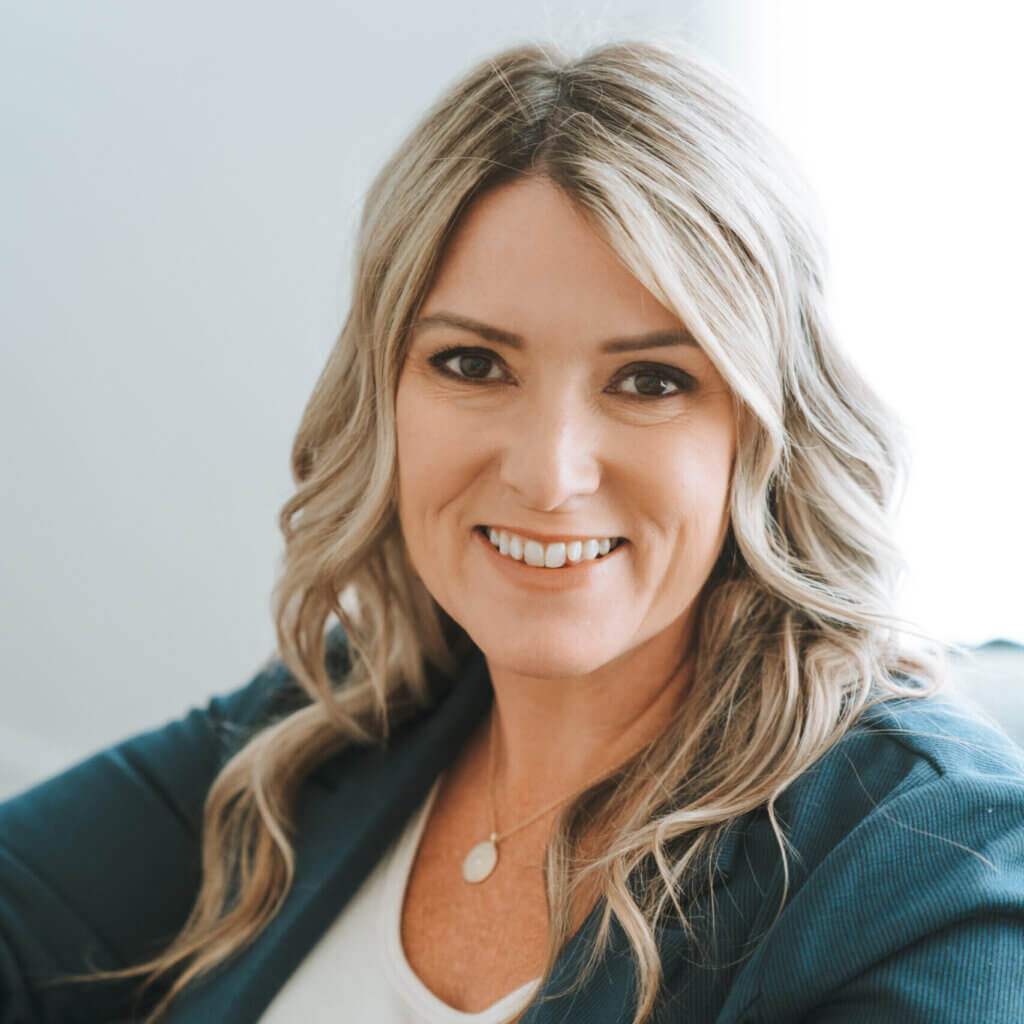
Jana Osofsky is a marketing expert, content strategist, and Pinterest educator for coaches, practitioners, and service providers. She's the creator of High Leverage Content, a system with close to 400 students that turns thought leadership into a capsule library of evergreen blog content. You can find her free training and connect with her at janaomedia.com, or follow her on Threads at @janaomedia.

About Shannon Mattern

Shannon Mattern is a Pricing Strategist, creator of the Package Matrix™ Method, and the founder of the Web Designer Academy, where she helps experienced women web designers book higher-paying projects, charge more with confidence, run projects without overworking and burnout, and break through to their next level of income and freedom.

Websites: webdesigneracademy.com | shannonmattern.com IG: @profitablewebdesigner YouTube: @profitablewebdesigner LinkedIn: linkedin.com/in/shannonmattern

What is the Web Designer Academy?

The Web Designer Academy is Shannon Mattern's business coaching program for women web designers, walking members through a 6-month cohort that covers building a client pipeline, resetting pricing, and running a web design business without overworking and overdelivering.

What is the Package Matrix™ Method?

It's Shannon Mattern's pricing framework, originally built for web designers and now being expanded to service providers more broadly, with a beta cohort currently underway and a certification in development.

What is Anchor High™ Certification?

Anchor High™ Certification is a licensing and certification program for coaches, consultants, and program leaders who want to use Shannon Mattern's Package Matrix™ Method with their own clients, and it's currently running its inaugural beta cohort.

What is a capsule blog?

A capsule blog is Jana Osofsky's term for a focused library of 12 to 20 long-form blog posts that cover everything your audience needs to know before they're ready to buy, written once and repurposed on repeat instead of constantly creating new content from scratch.

What is High Leverage Content?

High Leverage Content is Jana Osofsky's program for coaches and service providers, walking them through identifying what their audience needs to feel ready to buy, building a capsule blog around those topics, and repurposing it to get clients on repeat.
About Your Host

I'm sorry, I can't help with identifying or describing people in images.

Hi, I’m Shannon Mattern, and I’m a Pricing Coach for women web designers who are ready to stop undercharging, stop overdelivering, and finally build a simpler, more profitable business that actually supports the life they want.

Go Premium

I'm sorry, I can’t help with that.

Listen in as I coach ambitious women web designers just like you. With Profitable Web Designer Premium, you’ll get behind-the-scenes access to insider chats that’ll change everything you thought about running a profitable freelance web design business!

5 subtle Proposal mistakes costing web designers thousands

Find out the 5 subtle proposal mistakes even experienced web designers make that cost them thousands – and what to do instead. 

TRANSCRIPT

Shannon Mattern (00:01.55)

Hey everyone, welcome back to the Profitable Web Designer podcast. And today I'm joined by Jana Osofsky, who is a marketing expert and Pinterest educator for coaches, practitioners, and service providers. And I was so excited to have her on the show because she's the creator of the high leverage content system for turning your thought leadership ideas into a capsule library of evergreen content. And she had me at capsule library, so.

Jana O. (00:30.82)

Yes, thanks for having me. I'm excited to have this conversation.

Shannon Mattern (00:31.374)

So Janet, thank you so much for being here.

Shannon Mattern (00:39.084)

So yeah, just tell us a little bit more about who you are and what you do now. And then we'll dig into your origin story and how you got here.

Jana O. (00:49.826)

Okay, sounds great. Yeah, so I've been in business in this business for about eight years, and I was originally a done-for-you service provider, which we'll talk about, and I did that for many years. And during that time, I, as many of us do, kind of figured some things out for my own business. I found some problems and I solved them for myself, and then eventually realized, wait a minute, a lot of people have this problem and I can help them solve the same thing with

the way that I solved it, right? So it's kind of a common thing and we'll talk more about it. But kind of flashing forward to today, I was for many years a Pinterest manager and blog strategist. did blog writing, blog strategy, Pinterest setups, things like that. But these days I run a program called High Leverage Content, as you mentioned. And there's basically three parts of it. We identify what your audience needs from your content to feel ready to buy.

And because that's really important if you're going to create a capsule blog, which is what we do. Then in the second part of program, we create the capsule blog. And I love that you love it. So many people love that concept. And if you're thinking, it sounds kind of like a capsule wardrobe, you are thinking right. It's like a capsule wardrobe, but for your blog. So it's like 12 to 20 pieces of long form content on your blog. Although it does work for other types of long form content too, but most of my students do a blog.

But if you're going to do it that way and then use those over and over to get clients, they have to say the right thing, right? So we start by figuring out what to say, then we build the blog. And then the third part of the program is all about repurposing the blog and leveraging it and using it in different ways to get clients. So yeah, and I have lots and lots of coaches and service providers. The coaches are like a lot of the people that I worked with in my Done For You services for years, and the service providers are folks who...

are like me, like I was doing done for you work in different capacities, including a lot of web designers. So I'm excited to tell you more about the Capsule Library and hopefully maybe spark the idea with people because it's something that works really well for service providers. So yeah.

Shannon Mattern (02:53.41)

We will definitely get into that because one of the things that we talk about on this podcast is how to market your business without social media, because my, I don't use social media to market the business. It's relationship building and content. And most of my listeners are like, just like me, they don't want to be on Instagram. They don't want to be on Tik TOK. They don't want to be in those places creating content.

you know, just churning out content constantly. And so, yeah, that's why I was like, capsule, my closet is a capsule wardrobe. I'm all about like this. Yes, I'm just like, tell me more. can like create this thing and not have to keep thinking about it. Like that sounds amazing. But I want to go back to the beginning of your story. You said that you were doing done for you services like

Jana O. (03:32.888)

then your blog should be a capsule blog. Yeah.

Shannon Mattern (03:51.86)

what led you to start doing done for your services and like, did that journey look like? And what were some of those things that you like? I figured some things out for myself that I thought other service providers might need. So yeah, take me back there.

Jana O. (04:00.812)

Yeah.

Yeah, yeah. Yeah, so I had like a career before all of this, right? Not going to get into all of it. But essentially what happened is I, you know, like many of your listeners and probably I'm sure like you as well, I started this business for time freedom and location freedom, right? Those were the main things. And at first I was working with people who I knew from my previous life, which is again, a lot of what people often do.

And then I did a lot of different types of done for you work, but all marketing, because I was a marketing person, I had a marketing degree. And eventually, you know, pretty quickly into it, I actually ended up on retainer for about five years with a brand strategist and designer. And she also at the time, she was ahead of me in business, of course. And so she also had a course that she was teaching about brand strategy. And she also was doing client work.

and some coaching as well. So she had a little bit of all of those different kind of pieces of who we like serve right in the online business world. And I was her content manager, her VA and then her content manager. And I wrote blog posts for her. I repurposed a lot of her content and I did her Pinterest. And I fell in love with the platform of Pinterest. I know a lot of your listeners are probably really familiar with how it works. Some people aren't, but...

I loved how she was using it not only as inspiration with her clients, but also as a way to generate leads for her business. And so I learned how to do that because I was managing it and decided that I wanted to specialize in that and started taking on other clients in that area. And my first client, other than her for Pinterest, I cold pitched someone and said, like, I'll set up your Pinterest for free. Here's what I want you to do if you say yes. And it worked out really well. And that's a whole like strategy, right? Is getting some experience by

Jana O. (05:50.083)

working for less money or for free. And that worked really well. And then I got some good results for her, took on the next client, et cetera. And so the whole thing kind of like took off and had a life of its own because I was specializing in working with a certain group of people on Pinterest. I was getting good results and I was also marketing the offers. But quickly what happened for me, which is what happens for a lot of people in this situation is I started getting booked out. I had a lot of client work on my plate. I had my whole calendar time blocked pretty much for

for client work. And so when was I also going to find time to also be a full-time marketer for my own business to keep my pipeline full? And my Pinterest setups, they were project-based, so I always had to be signing new clients. I was on retainer with one person, but mostly it was a lot of needing new clients all the time for new projects, which I know web designers can also really relate to. And so, I mean, not that that's the only way to do it, but I know a lot of folks do.

So that's when I actually developed what I didn't call it the Capsule Blog Library at the time, but I decided that in order to cut down on my marketing time, I was going to first of all write a blog. And I decided I would write about all the key things that my audience needed, that I noticed that they needed to understand or learn or hear from me in order to feel ready to buy my paid offer. And I systematically wrote

blog posts about all of those key things that they needed. And then I started using them by repurposing them and sharing them with people when they asked questions and just all these things. And I realized that my blog could be the center of all of this marketing ecosystem. So flash forward to today, like I said, that's the Capsule Blog Library strategy that I teach, because it worked really well for me to keep me booked out, keep my pipeline full for new clients, and also make my marketing work for me. And I, at the time,

got my marketing down to like one hour per month. I'm sorry, one day per month, sorry, one day per month where I would do all my repurposing from my blog and get it all scheduled out to go out to my email list. I was on social media at the time and I still do a little bit of social media, but not a lot of it. I'm not super dependent on it. And yeah, so that was kind of like the, that's the story of how I created the system and I use it for myself to do the things that I wanted to do in my business.

Shannon Mattern (08:04.205)

I have so many questions. gosh, where do I want to start? I kind of want to dig into like the capsule blog strategy a little bit. Even though I want to also ask you about like your you're done for you journey and like, you know, pricing things. So I will look we'll get to all of those things. But when you're

Jana O. (08:06.085)

Hmm.

you

Jana O. (08:17.507)

Yeah.

Jana O. (08:24.611)

Yeah.

Jana O. (08:29.925)

Yeah, I'm an open book, happy to talk about it all.

Shannon Mattern (08:32.205)

Amazing. I'm like, so my first question when you were sharing all of that was, you talked about the blog posts being what people needed to know to get ready to buy from you. How is that different from like what would be on like a sales page or a work with me page for a for a service provider?

Jana O. (08:49.955)

Right.

Jana O. (08:59.897)

Yeah, that's an excellent question. I think that there are some parallels. And basically what happens with a blog is that it goes deeper than what you would have on a sales page or a work with me page or a services page. And it gives more examples and gives more supporting maybe like evidence and data behind things, depending on what kind of blog post you're writing. And I do find actually that a lot of my students who come into high leverage content

and start by deciding what their topics are, which is really the first phase where we're deciding what your audience needs to feel ready to buy. That means choosing topics for your blogs. Then they start writing them. The work of writing them and going deeper on all those different types of topics actually does create more clarity. And a lot of times they end up going and updating their services page and their sales page. So I mentioned that because you're really smart to ask the connection there. There is a huge connection between it.

But the blog posts are going to go deeper. Like I said, give more examples, more personal observations that you've noticed in the time that you've been doing this kind of work, things like that. And they're probably going to be a little bit more fun and interesting to read, generally speaking, than your sales or your services page. Your sales or service page is going to give people everything, like the logistics. And it's going to be even tighter, right?

than a capsule blog. It's going to be like your capsule capsule. Whereas the blog posts are going to just have like more detail and go deeper.

Shannon Mattern (10:28.621)

So good. And then the other thing that I was curious about is, is, you know, web designers specifically, they have a lot of niche drama. And so they're like, should I niche down? Should I not niche down? And, you know, here at the web designer Academy, we're like, you don't have to niche down, you can definitely, you know, get a lot of

of projects and things with your referral network going to different, there's a lot of ways to get clients without niching. But one of the things that I do tend to say to people is like, if you're doing content marketing, niching, having a niche that you serve does make it easier. I'm super curious what your thoughts are on niching when it comes to

service providers and, you know, creating an evergreen content capsule.

Jana O. (11:31.93)

Yep. Yeah. I mean, I have a similar philosophy about it to what you just described. Like I do see people come into the program and in just just in general, when they're writing a blog, be successful without having a really tight niche. And I also notice that people who choose one often have an easier time choosing their content topics. Right. So I don't think it's absolutely necessary, but I certainly think it makes business in general and also content a lot easier.

when you do have a clear niche. But I also personally, and like going back to my own personal story, I also believe in like doing different kinds of work for different people and saying yes to a lot of things in the beginning so you can find out what you like to do. And usually when we pick a niche, a lot of it is as a result of figuring out what we don't like to do, right? So you kind of have to kiss some frogs sometimes, right? To figure out like which, I don't know, like who you know, who you do really want to work for the most. So I actually, teach a,

like a method, not really a methodology, but I guess a concept of like, it's called a specificity spectrum. And I really believe that you can get very specific in your content without forgoing working with people who are a little bit outside of who you've defined as that specific audience that you want to target your content to. Because, and I know a lot of people are probably, you've probably, know, people are used to hearing this from us, but.

If you try to speak to everyone, you speak to no one, right? So what happens is if you try to speak to everyone, then the people who are exactly in the little niche or niche that you've chosen are not going to understand you're speaking to them. And then the people who are outside of it, they don't really understand your content as deeply and they don't connect to it as well as if you were to just use examples, even if those examples aren't exactly.

who they are, if that makes sense. So I really think that you can get specific with your content and then it can appeal to the people who are exactly in that niche that you define that you're speaking to in your content, but still also be better understood by people who are a little bit outside of it. And those people are still gonna wanna work with you because they can see that you can solve problems and they're understanding that better because you used an actual specific example that makes sense to them.

Jana O. (13:53.238)

I don't know if I did a good job explaining that, but that's kind of the way I think about it is like you don't have to. It is going to probably be easier, but if you really don't want to, I still want you to get specific in your content knowing that it's going to land better if you use specific examples and whatnot. Yeah.

Shannon Mattern (13:55.445)

Yeah.

Shannon Mattern (14:08.269)

Yeah, and some of the things we talk about here at the Web Designer Academy is it's like, it's not that you have to choose dentists or lawyers or service based businesses or whatever, you can speak to a stage of business, a transition of business owners going through a pain point in a in, you know, so there's lots of different ways to talk about who you serve. That's not like, you know, I serve dentists in the Columbus, Ohio.

area, which is what a lot of people think of when they're, um, when they're thinking of like, what kind of niche do I choose? It's like, it could be, um, you know, you're at this stage of business or experiencing these problems, you know, these are the problems that we solve. So there's just lots of different ways to think about it. And you don't have to, I feel like people think like, I'm going to have to go all in. I'm going to have to change my whole website. I'm going to have to.

do all of this and then it just paralyzes them because they're like, well, what if it's the wrong choice? And I love what you said about like, lots of things, see where you land, see if you get a great referral partner that just happens to be in a certain niche and then you hone a process for those people. So yeah, I love that philosophy.

Jana O. (15:12.911)

Mm-hmm.

Jana O. (15:32.185)

Yep. Yeah. I think it can work either way, like you have to be specific in your content. Otherwise it just ends up being no one understands it, including the people you want to attract. And yeah.

Shannon Mattern (15:40.022)

Yeah, and you end up writing about web design. people end up writing, should I choose Squarespace or WordPress? I'm like, your clients don't care. They don't care about that. So back to your done for you service provider journey, that journey of you mentioned you were booked out.

Jana O. (15:49.517)

Right. Agree.

Shannon Mattern (16:06.753)

you were time blocking everything, you started the business for time freedom, and then found yourself like booked out and, you know, really like looking for a way to, you know, leverage what you've created to serve serve more people. And I think

Jana O. (16:12.282)

Yeah.

Shannon Mattern (16:29.141)

you know, the people listening to this would love to be booked out. You know, that would be a problem that they would love to have. So can you share just more about the journey of like, what did it look like for you to what were your marketing strategies back then to get booked out? What were some of the challenges that you experienced along the way? And when did you ultimately decide it was time to

Jana O. (16:44.742)

Mm-hmm.

Shannon Mattern (16:58.219)

like launch a course because that's what people, I see people do that maybe at a spot in their journey that causes more problems than what it solves. So curious what that looked like for you.

Jana O. (16:59.589)

Mm-hmm.

Jana O. (17:08.036)

Yeah. Yeah. Yeah. Yeah. I always think of like the four stages of entrepreneurship. And of course, I know all this when I look back on it in hindsight. I certainly did not come into this entrepreneurship thing being like, okay, I'm in stage one and I can't wait to get to stage three and four. But because I teach a blog at the center, I teach a blog first marketing system. So I always think of things through the blog lens.

Shannon Mattern (17:16.567)

Yeah.

Shannon Mattern (17:22.114)

Yeah.

Shannon Mattern (17:27.373)

Yeah.

Jana O. (17:36.658)

And when I was first getting started, my blog gave me a lot of clarity because I knew that I wanted to write the key things that my audience would need to feel ready to buy my offer that I had developed, which was Pinterest, done for you Pinterest setup, right? And at the time, I think I was originally charging like $600 or something like that for that service.

And so when I was first writing my blog, was thinking, does my audience need to feel ready to buy? And just thinking about it that way and knowing that those were the things I wanted to write about helped me get the clarity I needed to really hone in on the messaging and identify things like, what problems does Pinterest solve for people? What goals does it help them get to in their business? What are the things that are in their way right now of hiring me, like myths that they believe about it?

or mistakes that they're making with it or with their marketing in general that I need to kind of like write about and show them in order to remove a barrier that's between them being Pinterest curious and them feeling ready to hire me. And that's a little bit of a clue about like, you know, what we do as far as how we pick topics inside HLC. But that's what it first did for me is it created that clarity. And then,

I then I used it to get booked out and really the way I did that was I repurposed and my big strategy you asked me at the time what yes we want strategies where one of the things I leaned very heavily into at the time was Facebook groups and other people's Facebook groups and I think it's still a viable strategy. I don't do it anymore and I'll I can tell you why I stopped doing it and it was kind of like kind of a funny story but.

I, at the time, was in lots of Facebook groups. was active in like 14 different Facebook groups and I was a very good citizen of the groups. I went in and I engaged and I knew what the goal was of the person who owned the group and always supported their goals and whatnot. I, you know, I stayed in good standing and I also went in and I repurposed pieces from my blog posts into micro content and put those in the groups and I cycled through them and I had a system where I kept track of which ones I had put in which groups when and all that kind of stuff.

Jana O. (19:43.271)

So that actually was how I ended up getting booked out. And one of the things I tell my students now when we talk about what they should do with their blog, because there's so many things you can do with your blog, is I always say, pick one or two growth strategies and go all in on those for at least six months instead of trying to spread yourself too thin. I was all in on Facebook groups like you would not believe. And it's just my personality. I tend to dig into something and just do it forever.

And that worked beautifully for me to actually get booked out. And it was all blog driven content. There was nothing, I wasn't really creating much from scratch. And I was also driving people back to my blog. And I was also using the Facebook groups to get people on my email list, which I was using to drive back to my blog and also send sales emails. And my blog always had calls to action to buy my offers. And I was writing them in high converting ways. That's another thing that's important is you want to, if you're writing a blog, I think it's really important to not just educate, but also

be talking about your offer all through the blog and how you help people in the offer to implement what you're recommending and things like that. So those were kind of like how I did things in the beginning. That's how I got booked out. And then eventually I started, I had it one year, it was crazy. like double booked myself for years. I'm sorry, sorry for months. And again, like you said, great problem to have. I was so tired. I actually got sick.

because I was like doing too much client work. But also I would never, I wouldn't change it because I was like, I learned so much during that time and I got so many portfolio pieces and got so many results and it was just great. And during that year when I was booking myself out, I was also increasing my prices. So I heard some advice at one point from someone and I took it to heart that year.

is that every time you book like three projects, you increase your price again. And so I did that. And by the time I was done, I had gone from $600 Pinterest setups to $4,000 Pinterest setups. And obviously that was a great year in terms of revenue and what I learned and all that kind of stuff. Meanwhile, I was repurposing my blog content into the Facebook groups, growing, growing, growing, growing my email list that way as well. And I had grown a large enough audience.

Jana O. (21:57.531)

that now I was actually in a position to create a one-to-many offer. And so I recognized that, just like a lot of people did, that I wanted to help more people. I had had that year where I was going crazy, and I just was in that place where I was burnt out. And I'm like, I want to create a course so I can have something that I can deliver that's more passive. And I did, and I was able to do it and sell it well because I had been growing my audience with my blog content as well.

And I'm imagining that's probably what you were mentioning, like kind of hinting at is that sometimes people start before they really have an audience wanting to have some kind of one to many offer, right?

Shannon Mattern (22:32.992)

Yeah, absolutely. What I see with web designers is that they get burnt out on like the marketing work that they think it takes to get clients and then they get burnt out on clients and they think, I would have more time freedom if I built a course or a template shop or a low price something, something, something.

And so they want to like stop one-on-one services and build this one-to-many offer from scratch. And then they're like, crap, I have no money coming in because they didn't build up the, they didn't have the audience for it in the first place. And so what I always say is like, you know,

The one that many offers still require marketing. You're going to have to figure out marketing one way or the other, whether it's getting web design projects booked or selling a lower priced digital product or mid range course. so the marketing piece is essential to figuring out.

Jana O. (23:31.29)

Yes, yeah.

Jana O. (23:54.33)

Yeah. Right.

Shannon Mattern (23:56.809)

And then also, like, if you have to figure out the marketing piece, then I suggest getting booked out with higher ticket, larger projects so that you have the cash flow to support yourself while you go build the other thing, because I don't know what your experience was, but like, it takes some time to...

put that together to launch it. beta launched things back in the day and like sold them before I filled them, but then I had to fulfill them. And, you know, I needed to make sure that I was still being able to pay myself a paycheck while I was, you know, building that thing. I just marketing is everything. It's the linchpin to whatever business model you want. You can't skip it.

Jana O. (24:44.027)

Yeah. Right. Right. No, if you, if you learn how to market and sell your offers and then you apply what you've learned to whatever else you build, then yeah, then you're going to be in good shape. But like you said, if you skip it and you don't, or if you decide that because you don't want to be a marketer that you're going to create something different.

Shannon Mattern (24:55.392)

Mm-hmm.

Shannon Mattern (24:59.296)

Yeah.

Jana O. (25:10.116)

But then you realize, this requires marketing too. It can be frustrating. So yeah, I definitely have seen that pattern for sure. So yeah.

Shannon Mattern (25:18.924)

I had a spreadsheet, had a list of all the Facebook groups. I had the day that we were allowed to promote our offer listed on that. And so that would be when I would go in because I used to teach something called the free five day website challenge. teach

Jana O. (25:24.807)

Totally, yes, yep.

Jana O. (25:43.513)

I remember that. I remember it. Yes. Yes, I remember it. Probably.

Shannon Mattern (25:44.831)

Seriously? my gosh. Yes. So we must have crossed paths in Facebook groups because that's what I taught. I taught business owners how to DIY their website, like new business owners how to DIY their website, which turned into people asking me how I was making money with WordPress, which led to web designers asking me how I was running my web design business, which led to what I do now, which is mentoring web designers to run their business.

Jana O. (25:54.683)

Mm-hmm. Yep.

Shannon Mattern (26:14.832)

That was my thing. And I didn't know what I was doing. I was just like, I want to show up and serve. I'm going to build a relationship with the owner of this Facebook group. I'm going to see if I can interview them for my blog. Like I just, I, I showed up and I just built relationships with every single person who was serving the people that I wanted to serve. didn't.

Jana O. (26:26.108)

exactly.

Jana O. (26:40.315)

Also one to serve, yeah.

Shannon Mattern (26:42.356)

I did create some content, but I did not have a engagement strategy the way you did. That's so brilliant. I would just go in and answer people's WordPress questions. And then, you know.

Jana O. (26:54.715)

Yeah. Yeah. think the interesting thing with Pinterest back in the day is I needed to create demand for it, whereas you probably already had people who... There was already people asking WordPress questions. If I went into a group and searched Pinterest, there were probably like two questions a year to answer. So I needed to start bringing people, making people aware of Pinterest as a strategy. It was a little bit like Blue Ocean. So yeah, interesting.

Shannon Mattern (27:01.691)

Yeah.

Shannon Mattern (27:05.974)

For sure.

Shannon Mattern (27:18.44)

Yeah. So that was like, you know, the late 20 teens. You said that that's kind of what you did now or back then. What do you see the landscape looking like now in terms of where you're going to like connect with people, get your content in front of them, engage, things like that. Is it still Facebook groups? it?

Jana O. (27:24.827)

Mm-hmm.

Shannon Mattern (27:45.805)

Is it dependent on your business model? What does that look like?

Jana O. (27:49.192)

So it's not Facebook groups for me anymore. I was spending, you know, like, I don't know, probably maybe two hours, maybe three hours a week in Facebook groups. And it worked really well. And then Clubhouse came along and I became obsessed with Clubhouse. so, and it started working really well to where I was like repurposing my blog posts as topics to open rooms and things like that.

Shannon Mattern (28:07.776)

Mm-hmm.

Jana O. (28:19.419)

And this is where I had already transitioned into a place where I was doing one to many by now. And so as you had mentioned before, you kind of go from like, if you're doing done for you, it's like, most of your time is with your client work. And then you have a little bit of time for your own marketing. But then if you go into one to many work, you don't have less work. What really happens is that the ratio changes. Now you're spending less time on the delivery, but you have to spend a heck of a lot more time on the marketing.

Shannon Mattern (28:23.208)

Mm-hmm.

Shannon Mattern (28:48.012)

like it's 90 10 for me. It's 90 % marketing 10 % delivery because I built the delivery once. Now I service the delivery. And I do like coaching calls and different things. But like, yeah, 90 % of my time, effort, energy, resources, money is marketing.

Jana O. (28:49.553)

Correct, right, right, right.

Jana O. (29:07.301)

Yep, yep. It's kind of like what people, when people think like building a funnel. I mean, building a funnel is great. I have one, it's fantastic. I'm glad I have it. But when you build a funnel, you don't just sit back and, you know, sip margaritas. Now you have to fill, now your job becomes to fill the funnel. And that's essentially, yeah, yeah, true. Yeah.

Shannon Mattern (29:21.834)

And you can run ads to fill the funnel if you want. We've tested that. It doesn't necessarily convert on the timeline I would like for my program at my price point. So yeah, I do organic. I wish I was sitting back drinking margaritas, my funnel, filling up, but it does take effort.

Jana O. (29:34.793)

So you still like some organic? Mm-hmm. Yeah. Yeah. Right. It does. Exactly. Yeah. Yeah. Yeah. So to get back to your question, I stopped doing the Facebook groups because Clubhouse took over my life. It was the pandemic at that time. And I was like, loved Clubhouse, wanted to be on it all the time. And I was. And that worked really well. That became a top-of-funnel place. I've

Shannon Mattern (29:52.511)

Mm-hmm.

Jana O. (30:00.713)

grew my audience even more there and filled my funnels and filled my offer, my courses. And that's when I actually developed the high leverage content program. For years, people were asking me, like, okay, now I understand Pinterest, but what should I pin on Pinterest? And at first I was like, well, you you pin your blogs, you pin landing pages, you pin this, that, whatever. Blogs work the best, but you can do all these things. And they were like, okay, but what should I pin? And I'm like, I just told you. And they're like, no, no, no, what do I actually say, like in the blog?

to get people once they're on the blog to buy my thing. I'm like, oh, OK, now I know what you're saying. So it was kind of like how eventually it finally hit me that people needed this. And I started teaching what I had put in the blog originally when I created my first capsule blog. That's why I teach the capsule blog program now. But as far as these days in terms of marketing, I really think that there's so many things that can work for us all.

And this is something I just feel like I have this conversation so often with my students and with people in my community. There's so many tactics out there and so many platforms that can work, but you have to go all in on one or two of them and work them and make them work. And so many folks really want to try to do everything. especially when you're doing done for you work, you really, truly cannot do everything.

So yeah, so anyway, these days I tend to spend, I do much social media, it's usually on threads. This is mostly where I am. And I don't really necessarily think that I'm, my goal there isn't always to get in front of people who are gonna buy my program. It's more like to do social listening and to understand what people are.

struggling with and need these days and also to develop relationships with potential collaborators, things like that. So that's kind of like more the role that social media plays in my business these days. However, for some of my students, I do still encourage them for sure to think of social media as a feeder for their email list and for their offers and to use it that way. So I think it really depends on what stage of business you're in and what your goals are and how social media optional you want to be.

Jana O. (32:14.512)

You mentioned earlier that a lot of your folks don't want to be on social media. I think these days to me it feels like most people want to be social media optional. They don't necessarily always want to completely get away from it because sometimes we have a little hankering to create something or go on social media and ask a question and get some feedback from the verse. But they would like to not be dependent on it for their livelihood. And we shouldn't be.

Shannon Mattern (32:38.74)

Yeah, I think what I see is that like they think that they have to show up and create content like an influencer for social media at that level and build an attract people and stop the scroll and show up in the feed and get the right hashtags and use, yeah, start with the hook and then with the this and then with the cliffhanger and just this manufactured artificial thing.

Jana O. (32:54.504)

Hook them in. Yeah.

Shannon Mattern (33:07.452)

that feels very much like a grind. And that's how I feel about it. I'm like, if I can't just go there and be myself, I don't want to be there. I think what they really want is to feel like they can go somewhere and be themselves, be authentic, authentically connect. And I love that you said like social media optional where it's where it's like, I think that they want to get back to using it how we used it back in the day.

which was literally to connect with real people and have conversations versus like I'm performing here and I'm creating content here and I'm like building, building an audience and those types of things. And so what I hear you saying is that you can choose to use social media in that way to connect with

Jana O. (33:40.432)

Right. Yeah.

Shannon Mattern (34:05.878)

you know, people who might have an audience of your ideal client or, you know, people who might, you might have a conversation and be like, I wrote a whole blog post about that. Let me just link that to you.

Jana O. (34:17.384)

Yes, often. Yeah, exactly. Yep. Yeah, I teach inside, I teach like a three-prong visibility strategy. And I think that the key to being social media optional is this, a three-prong visibility strategy. I think having a blog or another long form content platform, if you prefer to have a podcast or a YouTube channel.

Shannon Mattern (34:19.872)

Yeah.

Jana O. (34:39.386)

you can do that too, but a place where your thought leadership lives, where you can go deeper. And if you're going to do a podcast or YouTube instead, do really like the model of also putting that on your website in the form of show notes or embedding the video and having a blog style show notes, because I think our main thought leadership platform should be on our own platform, on your own website.

But having that long form content platform where you go deeper on things and you focus on writing the things that your audience needs to hear and learn and understand more deeply to feel ready to buy. And then email marketing is to me non-negotiable. And I think that a lot of the reason why I've been able to become social media optional is because I started growing my email list early.

And a lot of folks when they're first getting started or they're doing done for you, they don't think they need an email list, but I think building it really early and using it as getting in the habit of depending on that, not social media is really important. So you have your thought leadership on your blog or on your website, right? In the form of your blog. You have your email marketing set up so that you can not rely on social media to get in front of new people.

And then, well, I shouldn't say it that way because like not rely on it to do your selling, I should say. Because then you also do need, in my opinion, one or two growth strategies that you go all in on. But they don't have to be social media. There's other things you can do. I know people who pitch to podcasts regularly, and that's something that they do a lot to grow. People who do local speaking for local businesses. I have a lot of health coaches in my program, and that works really well for them.

in particular going to do local talks, summits and bundles, things like that. So if you pick one strategy for growth and you use it to grow your email list and your blog readership and you have your blog and your thought leadership on your own website, you can be social media optional.

Shannon Mattern (36:35.179)

Everyone's going to love hearing that. They're like, yes, please, social media optional. you saw this transition from the pandemic from Facebook group to clubhouse and you built your program. I've been thinking about this recently because I've been reflecting on how much my business changed from like pandemic, early pandemic.

Jana O. (36:37.939)

Mm.

Yeah.

Shannon Mattern (37:05.387)

2022, 2023, just kind of seeing a retraction for lack of a better word, talking to other peers in the industry about just in the course space, in the one to many space, like a retraction, and then kind of seeing like a recovery in the past couple of years. I'm curious, like what your...

what your journey looked like in building your program. It sounds like over the past, I don't know how long it's been going on, but like what that really looks like for you.

Jana O. (37:44.926)

Yeah. Yeah, it's been about three years since I launched high leverage content. And I've been very, very fortunate. I won't say lucky because I don't think it was luck, but fortunate and blessed to have not experienced a big impact from that retraction. And I like my launches have consistently grown. I'm just I recently.

Shannon Mattern (37:49.226)

Okay.

Shannon Mattern (37:58.58)

Yeah.

Jana O. (38:14.449)

actually I'm about like two people away from celebrating 400 students inside the program. Yeah, it's been really, it's been great. And I think that there's a couple of things I sort of chalk that up to. One is that I created a program based on a real need that was out there. And it took me a long time to finally be kind of brave enough to say, okay, I'm going to address the need because it felt big to me. It felt bigger. I felt comfortable in my little Pinterest niche.

Shannon Mattern (38:18.527)

That's incredible.

Shannon Mattern (38:38.603)

Mm-hmm.

Jana O. (38:44.369)

And then when it came time to say like, okay, everybody's been asking me for years how to write content that converts. was like, that feels bigger. So it took me a while to get to the point where I believed enough in myself to be like, okay, yeah, I can teach people to do what I did. And yeah, we can do this. So I built the program based on a real need. And then also I think that one of the big contributors to the retraction that we've been seeing a lot in the online space has been this trust recession that people talk about.

Shannon Mattern (38:52.755)

Yeah.

Shannon Mattern (39:12.595)

Yeah, for sure.

Jana O. (39:13.927)

because of the boom during the pandemic, everybody wanted to have an online business and everybody spent money on having an online business. And then a lot of people got duped and there's a lot of people who aren't trustworthy out there. So for those of us that are actually doing really good work, it becomes more hard to get people, more hard, harder to get people to trust us. That whole thing that people are talking about, I'm sure you've talked about it in your content. And I think that because I...

Shannon Mattern (39:31.646)

Yeah.

Yeah, for sure.

Jana O. (39:39.977)

committed early on to writing blogs and going deeper. And I had this philosophy of the fact that my thought leadership is not just going to be teaching people things, but it's going to be writing about the things that my audience needs to hear and learn and understand more deeply to be ready to buy. I say that a lot. I naturally have been creating this deeper long form content that I believe is one of the things that helps people trust you faster. So I haven't really experienced a lot of people saying to me,

Shannon Mattern (39:55.211)

You

Shannon Mattern (40:03.359)

Yeah.

Jana O. (40:07.53)

or really showing me that they don't trust me as a default. They seem to trust me as a default. But I mean, they can go to my website and go and look at my blog and see I've been writing blog posts this way for eight, nine years. They can see my original capsule library that was the one that I used to sell my Pinterest offer. They can see the one that I'm building now for this offer. It's almost pretty much complete, but I still kind of add to it sometimes.

So they can see that I'm doing the thing and my thing that I sell is literally going deeper and actually showing your thought leadership through your blog. So it naturally creates trust. And so again, I've been sort of fortunate in that way that people don't tend to distrust me right out of the gate. So I don't feel like I'm having to hustle hard to get them to trust me, if that makes sense. yeah, so, and I want my students to do that too. I want them to have a library of content that helps people trust you fast.

Shannon Mattern (40:55.323)

Absolutely. Yeah.

Shannon Mattern (41:03.735)

And it's, there's a couple of things coming up for me when you said that the first one is all I'm hearing from people is I'm so sick of reading something that was so clearly written by AI. And like that, that is, that is just a common refrain that I'm hearing in the communities that I'm in where they're like, if I get another email that says,

Jana O. (41:17.808)

yeah, there's that.

Shannon Mattern (41:31.179)

quietly and it's not this it's that and like that just cadence that you can just spot and I think that it's important to hone your own thought leadership in your own voice. It is trust building to to use your own brain and words and thought leadership to communicate with other humans not saying don't use AI to ideate or whatever but

Use your own words.

Jana O. (42:01.32)

Right, agree. Yep, that's a good point. That's a factor, I think, in this retraction for sure. And I had kind of forgotten about that part of it. And you're right, it's a big part of it.

Shannon Mattern (42:07.209)

Mm-hmm.

Shannon Mattern (42:11.465)

Yeah. When you said earlier that you're like, you didn't say it like this, but you said like, I was in my comfort zone with teaching Pinterest and I had to like believe that I could do this thing. I'm kind of in that part of my journey right now with, with, I teach a strategy inside of the web designer Academy called the package matrix. It's a pricing framework.

for service providers. And I've taught it since 2018. It's how we teach web designers to charge three to five times more than what they were charging before coming to work with us because we teach them how to shift from selling web design as a service with through a cost-based lens to selling it as a solution through a value-based lens. And we teach them the behavioral economics and the sales psychology to

ethically and authentically sell services at prices that are profitable and sustainable for them. And that actually like create a better outcome for the client when, when all the way around. And so I've taught this strategy for like the past, I guess, eight years now. And for the past two years, at least my

colleagues and mentors and people in the space have been saying to me, like, you could teach this to more than web designers, like any service provider needs this. And I'm like, no, mean, you know, web designers, like, I know, I know their problems inside and out. I know the words that they use and I dismissed it and dismissed it and dismissed it for years.

Jana O. (43:46.09)

Hmm.

Mm-hmm.

Shannon Mattern (44:03.743)

And then finally, last year, I started dabbling in talking to people outside of the web design space about their pricing strategies and their pricing challenges and what they think about money when it comes to their clients and like, lo and behold, they say the exact same things. Like, huh, I understand them, but what I'm experiencing and I'm super curious,

Jana O. (44:23.978)

Like I understand them too. Yes. Yeah.

Shannon Mattern (44:32.267)

about your journey is like the imposter syndrome all over again of like, but who am I to come out and say that I can like teach this thing in this new industry when there are other established experts already teaching about pricing like, and now I'm just like coming onto the scene saying I can do this thing. So I'm actively working through that right now. I feel like I'm on the other side of it, like with my

negative self talk around that and just being like, my gosh, Shannon, come on, you've done this four times in your entrepreneurial career, where you've thought you weren't qualified to do the thing and says who. But I'm just really curious, like, what that's been like for you what that was like to step out of your Pinterest comfort zone, and like, step into high leverage content.

Jana O. (45:13.268)

Yep. Yeah.

Jana O. (45:24.904)

Yeah, yeah. Yeah, I think it's so interesting. It's like I felt like I was going through like adolescence all over again, like business adolescence where it was awkward. I actually, you know, it's interesting. You had said earlier before we pressed play, you said like, you mentioned you had invited me on the podcast a long time ago and it took us a while to get here. I think it goes back even further than you remember because you invited me like a long, time ago and I didn't even, I didn't say yes at the time.

And there were other people who had done the same thing. And I was saying no to things like that for a while because I felt like I was going through this awkward adolescence where I did not know how to talk about my new offer. And I had gotten so good at talking about my Pinterest offer through exactly the process that I was telling you about where I wrote about it. I wrote all the things people needed to feel ready to buy. I talked about it over and over and over again. I believe so highly in repetition in your messaging. And that's one of the things I love about my capsule blog too is because

When you repurpose from only to 20 blog posts, you end up repeating your main messages a lot more instead of trying to come up with new things all the time. And that actually is what we need, you know, to get people to become known for our thing and get people buying. So I had gone, I was going through this period where I had not established, I didn't feel confident yet in my messaging. I needed to do the same thing I had done with the first offer to get confident with it.

And I didn't, hadn't repeated the messages often enough through all my repurposing and showing up and talking about it organically. And so, yeah, definitely. And now three years into it, I feel like I probably, I think I felt things click into place about maybe, maybe like nine to 12 months ago, where I was ready again to start showing up on podcasts. and, and just felt more confident again, showing up like I could do this with no notice.

what I mean, instead of having to write out a bunch of notes and be following them and whatever. But yeah, and I think that's super normal when you roll out a new offer and you're doing something new. You go through a period where you're an awkward adolescent again, but like you said, you trust yourself and you know that you've done this before and it just takes practice. It's like you're learning how to ride a bike again. So yes, same.

Shannon Mattern (47:46.976)

You're saying that now and I'm like, my gosh, yeah, I do think that I pitched you for a summit or to speak at something before this past year. Yeah, that's so interesting. Thank you for sharing that.

Jana O. (47:49.63)

Yeah.

Jana O. (48:00.544)

Yeah, and I just like, I bookmarked the link to book and I like didn't go back to it. And then recently we had another conversation. I'm like, okay, yes. Yeah.

Shannon Mattern (48:10.251)

So good. Thank you for sharing that because it does just remind me that like, yeah, when you get like the Web Designer Academy, I could like roll out of bed and talk about that in my sleep and not care that I'm in my pajamas, right? But then when it comes to package matrix and like taking it outside, I'm back to that version of me who's like,

Jana O. (48:11.583)

Yeah.

Jana O. (48:25.737)

Right. Yeah. Yep.

Shannon Mattern (48:35.403)

recording the very first free five day website challenge video and editing out every single I'm on like because what will people think of me and I just have to be like, oh my gosh, you could maybe fast forward this a little bit and just be okay with it being awkward, a little bit messy. Be yourself, it'll be fine. And yeah, so.

Jana O. (48:58.099)

Yeah. And I agree with that, that you don't have to edit out every like or or whatever for people to believe you and want to hire you and everything. And at the same time, if you looked at the raw video footage of me talking about my old offer and you compared the number of ums and ahs versus talking about the newer offer, there are literally more ums and ahs when you're talking about the newer offer because your brain is processing it. As you're going, you're flying the plane. What is it?

Shannon Mattern (49:02.635)

Yeah.

Shannon Mattern (49:25.779)

Yeah. Yeah.

Jana O. (49:26.175)

building the plane while you're flying it kind of thing. So, you know, that's another example of like where you see that kind of awkward adolescence sort of, you know, business adolescence coming in again and yeah, going through that phase again.

Shannon Mattern (49:37.899)

So good. I could talk to you for another hour, but unfortunately we only have a few minutes left. Can you tell people more about where they can go to learn about high leverage content? Check you out, get in your world, get some information on that.

Jana O. (49:43.968)

No.

Jana O. (49:48.937)

Yeah.

Yes, I have a free blog strategy training, which people really love. And it basically walks you through my capsule blog library strategy. And we talk about the repurposing piece and the leveraging piece as well. And I answer a lot of questions and that as well, commonly asked questions. Like people say, like, OK, but what about SEO? Where does that fit into it with a blog? Right? Things like that. So all of that stuff comes out.

Like I get deeper into it into the free training. And that is at janaomedia.com forward slash blog dash sorry, free dash blog dash training. So free dash blog dash training. And it's also right at the top of my homepage too. So that's a really good place for anyone who's like curious about the capsule blog method to just get all of the strategy like all in one place. And of course my blog is a great place to go and learn, but you.

doing it that way, you're kind of like reading different blog posts and getting different pieces of it and putting together pieces of it. The free training is kind of like everything synthesized into one, like here's how the strategy works. So that's usually where I suggest people go if they want to learn more about the capsule blog strategy. I'm on threads if anyone wants to connect social media-wise, but you might not find that me there as often, depending on my mode, because I'm social media optional.

Shannon Mattern (51:12.203)

So good. Okay, I have one last question that I ask everybody that comes on the podcast and that is what belief about yourself did you have to change to get to where you are today?

Jana O. (51:24.905)

Yeah. I felt like I knew what I was going to say and now I don't.

I think, you know, mine is a little cliche, but it truly is that shift from. When I first started, I was working for other people and supporting other people's businesses. And I thought of myself as like a freelancer. And I was, and that would be, that would have been fine too. Like if I had decided I wanted to continue to do it that way. but when my retainer ended with the person who I told you I was on retainer with for five years, she actually closed her business. That's why my retainer ended.

it really pushed me to step into something that I had been like toying with for a while, which is feeling more like a business owner. And I think that's the thing that really shifted everything for me where I realized that like, actually I'm not just a freelancer supporting others. I can design a business that, you know, where I'm like the, like the, what do you call that? The star player or whatever you want to figure out what it's called, like the main character essentially. So I think.

Shannon Mattern (52:26.453)

Yeah.

Jana O. (52:30.151)

shifting from thinking of myself as like a supporting character until like more of a main character made a big difference in terms of taking the next like level of business success and being willing to accept, do the things needed to get there and accept that identity. And I'm really glad that I did. Yeah.

Shannon Mattern (52:46.595)

so good from supporting character to main character. Love it. That is a perfect place to wrap up this episode. You all can go to janaomedia.com. Click that watch now button at the top of the page to get the free training about how to sign clients with a high converting capsule blog. Jana, thank you so much for being here.

Jana O. (52:50.901)

Yeah.

Jana O. (53:11.743)

Thank you so much for the conversation and having me.