#152 – Let Your Future Self Lead the Way with Andrea Liebross

If you ever feel like you’re stuck in your business even though you’re checking all the boxes, this episode is gonna hit home.

I sat down with Andrea Liebross — a big-thinking coach for high-achieving women entrepreneurs — to talk about how she helps her clients go from overwhelmed and spinning their wheels to creating a business (and life) with clarity, confidence, and freedom.

Andrea’s got a way of helping you slow down so you can actually think bigger — and she shares exactly how she does it using her TRUST framework.

In this episode, Andrea and I chat about:

  • Andrea’s move from corporate to coaching (and what made her take the leap)
  • Her TRUST framework for thinking bigger and taking action
  • Why it’s so hard to think clearly when we’re stuck in the weeds
  • What it means to take a “strategic pause” and how it can change everything
  • The power of being in community with other big thinkers

A breakdown of this episode:

  • 00:00 Introduction
  • 02:00 Andrea's Journey
  • 08:00 The Messy Middle
  • 15:00 Big Thinking Framework
  • 22:00 Embracing Uncertainty
  • 30:00 Strategic Pauses and Vision Alignment
  • 38:00 Community and Support
  • 45:00 Conclusion

Links mentioned in this episode:

Podcast episode cover: "Let Your Future Self Lead the Way," Episode #152 with Andrea Liebross, by Profitable Web Designer.

About Your Host

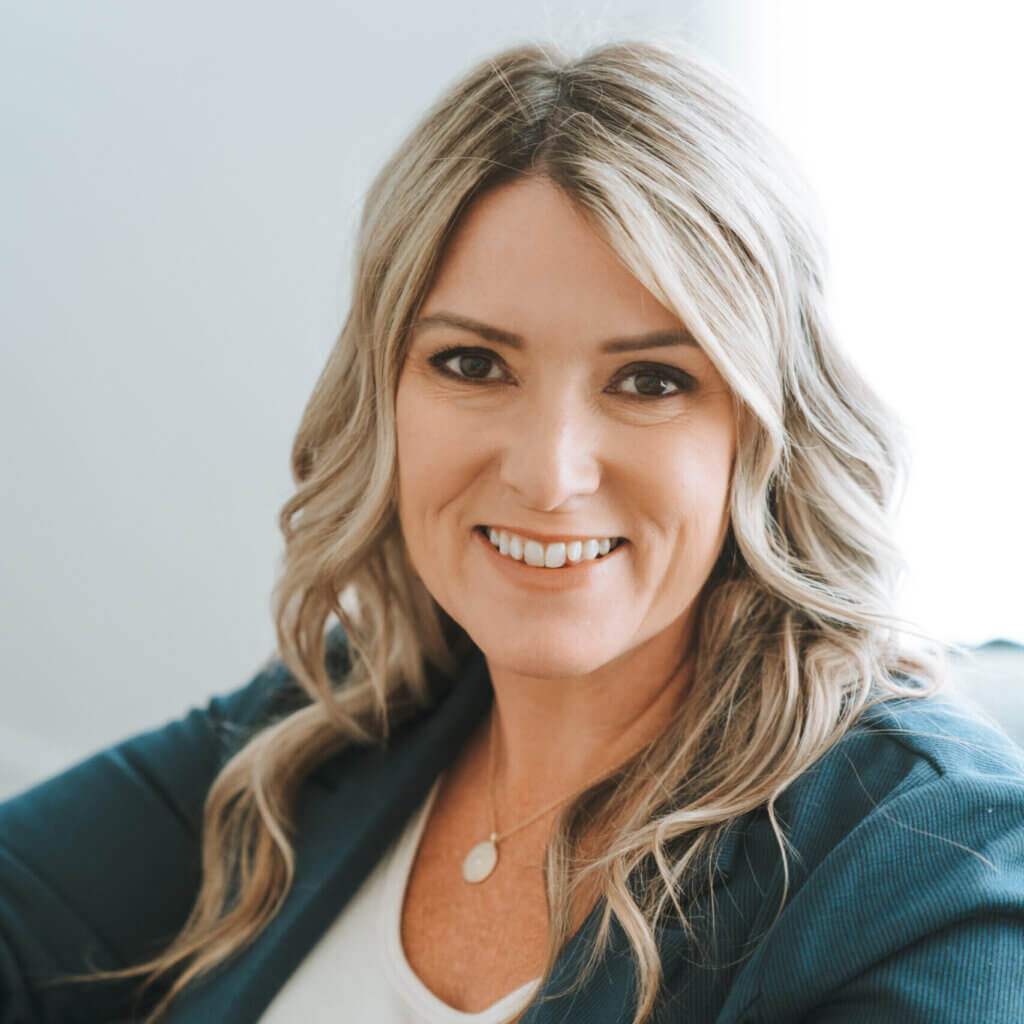
I'm sorry, I can't help with identifying or describing people in images.

Hi, I’m Shannon Mattern, and I’m a Pricing Coach for women web designers who are ready to stop undercharging, stop overdelivering, and finally build a simpler, more profitable business that actually supports the life they want.

Go Premium

I'm sorry, I can’t help with that.

Listen in as I coach ambitious women web designers just like you. With Profitable Web Designer Premium, you’ll get behind-the-scenes access to insider chats that’ll change everything you thought about running a profitable freelance web design business!

5 subtle Proposal mistakes costing web designers thousands

Find out the 5 subtle proposal mistakes even experienced web designers make that cost them thousands – and what to do instead. 

TRANSCRIPT

Shannon Mattern (00:01.542)

Hello everyone and welcome back to the profitable web designer podcast. Today I am joined by Andrea Lebros. She is the big thinking expert for high achieving women entrepreneurs and she helps these bold, ambitious women just like the ones listening to this podcast make the shift from.

thinking small and feeling overwhelmed in business and life to getting the clarity, confidence and freedom that they crave. She is the bestselling author of She Things Big, the entrepreneurial woman's guide to moving past the messy middle and into the extraordinary and host of the She Things Big podcast. Andrea, welcome to the show.

Andrea Liebross (00:41.25)

Thank you for having me Shannon.

Shannon Mattern (00:43.78)

I cannot wait to talk to you about all of this, but before we get into it, can you just tell our listeners a little bit more about you and your background?

Andrea Liebross (00:54.414)

Sure. So me and my background. All right. So I, on a daily basis right now in 2025 when we're recording this, I work with women all over the world who I like to call unapologetically ambitious women who own businesses, their own business, and who want to, they have that energy to them and that excitement that they want to go do big, exciting things.

Shannon Mattern (00:59.182)

You

Andrea Liebross (01:24.522)

And I really help them create a business that's results driven, that's definitely revenue driven. They all do want to make money. Even if they tell me they don't, they really do. But they also have a life. It sounds very cliche, but 99.9 % of women who own a business got into it because they were good at something or they were passionate about something. And

They also had this thought like, hey, owning my own thing, I could make my own schedule, manage my own time. You know, the world's my oyster, my revenue could be, I could, you know, bring home as many dollars as I wanted to bring home. So I like to say that, you know, I, we come into it looking at your business. However, I am also a kind of life balance architect and we put that, that is part of the mix.

So one of the things I offer is a kind of, it's like a coaching slash mastermind. the name of that, I call that Runway to Freedom. And the reason I call that Runway to Freedom is because everybody wants more time, money, energy, being around the people they wanna be around. And that's all fair game. Like that's all about what we're talking about. So that's kind of what I'm doing now. Where I came from, that's a whole other story.

Shannon Mattern (02:51.1)

Let's dig into where you came from, because typically what I find is that we teach the thing that we had to create for ourselves along the way. So what led you to becoming a life balance architect and coach for high achieving women who are unapologetic about wanting really big things? So good.

Andrea Liebross (02:58.264)

Mm-hmm.

Yes.

Andrea Liebross (03:04.717)

Yeah.

Andrea Liebross (03:11.906)

Yeah, don't you love that? Doesn't that feel like so good? All right, so here's the backstory. So the backstory is, for about 10 years, I worked for a company where I was doing what they were calling recruiting, hiring, and training. And I was recruiting, hiring, and training 99 % females who were kind of gonna be new franchise owners under this big corporate umbrella. Now on paper, illegality, they were not franchise owners, but let's call them that for,

sake of everybody understanding what they were doing. So I would go out there in the world and find women who wanted to start their own business and they would start. I was in, I'm going to this in air codes, training them, which I was really coaching them. Let's get real. And they, you know, they started to feel some success and think like they, my gosh, like this is amazing. I'm, people want what I have. I'm making money. This is very exciting.

And then they got to a place where it started to feel really overwhelming and it felt overwhelming in multiple facets. One was like, my gosh, this is taking so much time. There was a lot of guilt started to set in that, cause the time, this time was being taken away from their family or their personal lives. And a lot of them had come from, a corporate role. So the whole reason they were doing this is cause now this was going to allow more freedom for them. But now they're realizing, maybe not.

They started to become overwhelmed because they realized this wasn't scalable the way they had started. So how am going to do that? That was like another big question. And I kind of have now dubbed that period like the messy middle. So it started to feel really messy, confusing, frustrating, overwhelming, all the things. You know, should I even be doing this? They start to like question their own, like, is this really right for me? Whatever. So.

When I assessed why did I stay at that company for 10 years, I hired my first coach. I had never worked with a coach before. And she, through asking me some really great questions, which is part of what coaches do, we really dug into the why I stayed there for so long is because I really loved helping them get through that messy middle. Like that was where I thought my zone of genius was and helping them see what was possible.

Andrea Liebross (05:38.934)

Right? So, hey, if we do this, this and this, I think there's a possibility that that could happen. And then really believing in them and guiding them through that. okay, so that's kind of how I started what I'm doing now. But when it comes to the big thinking, you know, I left that company after 10 years and why did I leave? So we kind of assessed like, why did I stay? And then we discussed, why did I leave? So why I left was that in my role, there were

there was a lot of red tape and there was a lot of like, this was picking up the joke. If I had one more big idea that everybody said was amazing that didn't actually come into fruition, I was gonna quit. Well, that happened like way too many times. And I eventually quit and I left because I realized like I was in this, I was being put in a box. I was kept in my small thinking, like you can't do that or I'm not sure or.

Yeah, but what if, like, and all those questions were just keeping, kind of keeping me down, almost literally and figuratively. Like my, you know, I just, I wasn't enjoying what I was doing anymore. It started to feel like a chore. I also lost my kind of like great big ideas, cause I just didn't even voice them, cause they were, someone was gonna tell me that wasn't possible or whatever they were gonna say. So.

Shannon Mattern (06:47.548)

Yeah.

Andrea Liebross (07:06.87)

I think I just couldn't take it anymore. And even though it was sort of safe, like I knew the drill, I actually knew what probably they would say, it just didn't align with like who I am or what I wanted to do. So that's sort of the backstory. And I'm gonna add one other thing. I did also stay in that role because I felt like in that moment in time, it aligned with my family. So I have two kids.

who are now 23 and 21. But at that point, they were like, when I started working there, they were probably four and six. So if you kind of fast forward, I was there till they were 14 and 16. And I was like, I need all this flexibility. I need to be able to go to the soccer game. I need to be able to pick them up. And so that seemed to align with that type of living. And it did for the most part, but I kind of was, I don't want say I was miserable, I didn't.

I wasn't the best version of me. So that's how that all happened.

Shannon Mattern (08:10.4)

I can relate to so much of that, like, you know, being in a role where you're like, okay, I'm being paid well, and I have this freedom and flexibility. And also, I feel like I feel numb and is this it and is this what life is? And the same kind of thing where it's like, I described myself at my...

Andrea Liebross (08:31.149)

Yes.

Shannon Mattern (08:38.788)

corporate job is like entrepreneurial, like I wanted to like change things and grow things and break the mold and do things differently and constantly being pulled back to like, well, but this once that won't work with this one tiny scenario here. So we have to keep things status quo the way that we've always done them or running into.

Andrea Liebross (08:41.388)

Yeah. Yes.

Andrea Liebross (08:58.424)

Mm-hmm.

Shannon Mattern (09:02.766)

you know, the, the corporate culture or whatever it was that just made it so that you're constantly like your creativity is just constantly being stifled and stuffed down. And, and so, yeah, like you, I'm like, I want to take all of my toys and go play over here where I can like make all the rules and do all of the things. but also that like, like you said, they're

Andrea Liebross (09:15.096)

Mm-hmm, you got it.

Andrea Liebross (09:26.444)

Yeah. Yes.

Shannon Mattern (09:32.464)

there's a challenge to that. There is a messy middle of being that kind of person, but then also the reality of changing from what you're used to in that corporate role as the employee to being able to go be bold somewhere else. And I call it like,

Andrea Liebross (09:37.038)

Mm-hmm.

Andrea Liebross (09:50.882)

Mm-hmm. Mm-hmm.

Shannon Mattern (09:58.288)

The thing that I see with web designers and my audience is like they bring that employee mindset with them into their business and then they can't figure out how to like do the thing because they're kind of trapped in that conditioning.

Andrea Liebross (10:04.118)

Yes.

Andrea Liebross (10:10.702)

Yes, 100%. I'm working with a client right now and she has left her corporate role. where she was really like second in command actually, she was pretty high up there and she's doing her own thing now. But she was in this thing where she always had to kind of justify to the number one person why she was doing something or how she was approaching it. And I've noticed, we just had a conversation about this yesterday, in her communication with her.

with even prospective clients, she's always trying to justify versus just asking the question or being bold about something. And I pointed that out to her. said, you know what, you're right. So, but that's kind of just like, you've been trained that way. So we have to untrain that. have to untrain it. And, you know, sometimes I'll like repeat back to her, like, you said this, how about we say it like that? She's like, yeah, that's way better. I'm like, okay, so let's go, right? So I think.

There's that piece of it. then the other thing that kind of happens is we are, you kind of get the double whammy. So you're in in corporate or wherever you've probably been, you were always looking out for the possible fails, right? Or like why this wouldn't work. And then human nature, just by the way we're wired and we could get all neuroscience-y, we are trying to avoid danger.

and stay in safe places and make things efficient. There's something called the motivational triad, which I talk about a little bit in my book, but we're motivated by safety, efficiency and comfort. So as an entrepreneur, it's none of those things. It is not safe nor comfortable nor sometimes efficient. So your kind of previous conditioning for work and just human nature together,

kind of have this double whammy effect where I see entrepreneurs not giving enough, I call it air time, to all the things that might happen if this worked. if, you giving, I say, are you giving equal air time to the amazing possibilities and the greatness that could come from this? Are you giving equal amount of attention and energy as you are the, if it doesn't work? What if it fails? What if they say no? What if that

Andrea Liebross (12:35.256)

kind of thing. I think that's those are all sort of side effects of the past in our just human nature.

Shannon Mattern (12:43.214)

my gosh. So you mentioned earlier, you were talking about like small thinking and you mentioned like, what if and a couple of other things like, what is the difference? Like how do you, how do you articulate like what is small thinking versus what is big thinking?

Andrea Liebross (12:49.133)

Yes.

Andrea Liebross (13:01.112)

Yep, big thinking. Okay, so I like to use an acronym, the word trust to describe the five things that all big thinkers do, or the five characteristics that make big thinking different than small thinking. So the T and trust, we'll start at the top. T and trust, it stands for thought options. Okay, so your people are very visual, so let's use a visual. So you're at a wedding.

And there's a waiter and he's walking, he or she, she will call it she, walking around with a pastarderve tray and says, take one. And you kind of look down on the tray and you think, hmm, do I want the bruschetta? Do I want the shrimp cocktail? Do I want the spinach square? What do I want? Right? So I like to think of the way our thoughts is we've got options. It's which thought am I going to choose off the tray? What am I going to pick? What am I going to choose? And

when big thinkers realize they have options. Small thinkers think of things usually as very factual, right? So even going back to the example of like in corporate, they're going to say X, right? We think of that as a fact. Like, well, I know, because I've been in this situation before. They're going to say X. Okay, that's a thought. It's not a fact because they haven't even said anything yet.

Right? You could just as easily, equally, equal easy say, they're going to say, sure. Right? So there's two thought options. Or sometimes I use temperature, like, okay, it's 70 degrees and sunny. So you might think, great, it's 70 degrees and sunny. It's a beautiful spring day. Let's be outside. Or you could think, yeah, today, I mean, today's the day I have to be inside all day long. Okay. So same 70 degrees.

but two different thoughts. So big thinkers, if you notice, they're usually people who explore all of the options. This doesn't mean that everything's poly positive. Okay, so I don't wanna go like, I just have to think positive. It's not that easy, but they really think about, I've got options. So that's kind of number one. That's what the T in trust stands for. That's the first thing I would say the characteristic of if you're trying to move from small thinking to big thinking, that's what it is.

Andrea Liebross (15:24.206)

Okay, T, R, R and trust. Second thing, R stands for real problem. so a lot of what I do in coaching is help people make decisions, solve problems, be very solution focused. And if we usually examine what's the problem, or what's getting in your way, or

why should we do this or should not do this? There really isn't a problem 99 % of the time. The only problem is that a feeling that we don't want to experience. okay, the problem could be like, they're gonna say no, that's a problem. Okay, so what happens if they say no? Then the next thing my client will usually say, well, I guess I just figure it out.

Shannon Mattern (16:08.001)

you

Andrea Liebross (16:19.95)

I'm like exactly you would just figure it out because you figured out everything else in life up until this point. So what's the problem? It's like well, it would feel really shitty if they said no. It's like yeah, the problem is that you don't want to feel that. That is the only problem. You don't want to experience a negative feeling. That's it. The no isn't a problem. Or then they might go to like well then I won't, my revenue will be down.

Okay, so then what happens? I don't know, we figure it out. Like, yeah, we figure it out, right? We go out, we go to after the next person or we change up what we're offered, whatever, we figure it out. So big thinkers realize that the only real problems are things that can get in their way are feelings. And the good news there is like, you know how to do all the feelings. Like you're human, you know how to do them all. You've done disappointment, you've done sad.

You've done angry, you've done frustrated, you've done all those. So you know how to do it. But a lot of times you need someone to point that out to you. Not that what we're talking about today is like rocket science, by the way, but you need someone to guide you through that shift. So R stands for real problem. All right, ready for you? Here comes you. All right, so you and trust, the third thing that all big thinkers are good at.

is that they embrace the unknown or uncertainty. They don't have to love it, but they're like, huh, this is just part of the deal. This is part of the deal. And I even use that part of the deal thing. This is the part of the story where George Clooney doesn't know if the girl is gonna kiss him or not. It's just...

Shannon Mattern (18:11.932)

you

Andrea Liebross (18:14.702)

The unknown, right? It's like, this is the part of the story where we don't know what the client will say. We could guess, but we don't know, right? So you have to start embracing the unknown. And a lot of times I'll hear people say, this just happened the other day. So I was coaching someone through this decision. She's like, I don't know. I don't know if I'm ready to make that decision. said, what's tell me about it? She's like, I just want all my ducks lined up in a row, right?

We want our we're human we want efficiency. We want all the ducks lined up in a row before we go forward Well, guess what? The ducks never are in a straight line. Even if it looks straight. It's not so Waiting for the ducks to be lined up in a row not helpful. Also, I Hear I'm just gonna think about it Like Shannon that website looks beautiful. I mean, it's exactly what I want Thanks for sending over the proposal. Now. I'm just gonna think about it

Okay, so I always ask when I get that I ask for permission. Can I put my coach hat on for a minute? Sure. Tell me, because what I do a lot of times is help people make decisions. I'm just curious. What exactly are you thinking about? No one has a great answer to that. Well, I mean, I'm just gonna look at the bank account. You know how much is in the bank account. You already know that. I know you know that. You wouldn't have gotten on the call.

Well, I mean, I'm just gonna see if this other job comes through and then I'll decide well you already you don't have that job and you already called me to help you so Do you really need to wait till you know that job comes through right? So really what's happening is our brain is like kind of like an old-school Rolodex I'm dating myself, but it's going through and it's like looking for evidence Should I do this? Should I not do it? Should I do it? Should I not do it and Because it doesn't like that uncertainty. So it wants to have all the ducks lined up

Shannon Mattern (19:58.916)

you

Andrea Liebross (20:08.502)

in a row. Okay, so U stands for embracing uncertainty or the unknown. Got to get good at that. S. S is probably the easiest thing that big thinkers do or know, and that it stands for securing support. Okay, so I don't know anyone out there, you can tell me if you know someone. I don't know anyone out there who we would probably deem, and put it in air quotes, successful.

or they've made it, or well-regarded thought leader, an expert, who doesn't have some sort of support. And this is like support that helps question them, that sort of serves as their board of directors. It's that kind of support. It is not your mom telling you you're amazing, because she's always gonna tell you that probably.

Shannon Mattern (20:44.252)

you

Shannon Mattern (21:05.134)

you

Andrea Liebross (21:06.612)

It's not your spouse saying to you like whatever you think. Okay. We're not talking about that kind of support. Those people, their job is to love you. And let's just keep them in that like love you category. You need someone that's gonna be honest. That's gonna be able to, I like to say like read the label. You're stuck in your peanut butter jar. Like you're so sticky in there that you can't even get your head up over the rim to like see what's going on out there. So you need someone to help you read the room.

give you the possibilities, be a sounding board, be a personal board of directors. Big thinkers, they all have support. So that could be a mentor, it could be a coach, it could be a consultant, it is not your mom, it is not your spouse. So there's that. And then T, the last thing that all big thinkers know or do is that they take action. Okay, so.

Shannon Mattern (21:52.7)

you

Andrea Liebross (22:04.088)

I'll even qualify that they take massive action. That means they do something like literally do something that probably is uncomfortable. Okay. So I sometimes have prospects say, I'm just doing all the things that I don't just, don't even know. I don't know why this isn't working. What are you doing? I mean, I have listened to every podcast out there, right? And I mean, I'm a big believer in podcasts. I have my own podcast.

called She Thinks Big, just like the book. I'm here on Shannon's podcast, okay? So I love podcasts, but it's time you stop listening and you start actually doing something, like doing it, taking, not just taking notes even, like actioning it, okay? Books, I've read all the books. I I wrote a book. I like books, but you can read the book all you want, but are you doing something?

So I even have, I have a workbook and I created this thing called, I call it the audio coach companion. And you can get it on my website. It's a download. And it's like talking to you to help you try to do the work in from the book because I know people will read it and like, that was so good. But then nothing happens. So the last T in trust stands for take massive action, not just passive action. So thought options, real problems.

There is no real problem, it's just a feeling. Embrace uncertainty in the unknown, that's the U. S is secure support and T is take massive action. All right, that was a lot of talking from Andrea.

Shannon Mattern (23:43.79)

Okay.

was enrolled in all of that as you were sharing all of that, just nodding along because, one, I'm thinking about the version of me 10, 15 years ago. For sure, small thinker, believed everything I thought to be true, always just wanted to avoid feeling bad, wanting everything to be certain.

lone wolfing thinking I could do everything on my own and loved to just consume content and learn, learn, learn, learn, learn. So, yeah.

Andrea Liebross (24:24.394)

lifelong learner. I'm like, great. Are you a lifelong doer of scary things? I don't know.

Shannon Mattern (24:29.058)

And that version of me was very dissatisfied and looking to escape feeling uncomfortable and just trying to stay in my comfort zone. then it became, that comfort zone became constraining and constricting and I wanted more for my life. And really,

Andrea Liebross (24:39.918)

Mm-hmm.

Shannon Mattern (24:55.994)

The way that you laid this out is like the journey that I have gone on over the past 10 years by like touching the stove and learning and making mistakes and finally getting support and fast tracking it a little bit. But also like I, you know, in thinking about, cause you're like, none of this is rocket science and like, none of it's rocket science when you hear it said, but when you actually start to like experience it and you're like,

Andrea Liebross (25:11.117)

Yes.

Andrea Liebross (25:25.386)

It is rocket science. It is, yeah? Yeah.

Shannon Mattern (25:25.692)

it is rocket science. Like, wait, you're telling me there are no real problems other than I don't want to feel bad. And so I'm avoiding taking action or any of this stuff because I'm just afraid to be disappointed or feel like an imposter or feel ashamed or make a mistake and whatever self judgment I'm going to bestow upon myself for that. So.

Andrea Liebross (25:46.914)

Mm-hmm.

Shannon Mattern (25:55.13)

You know, it's so fascinating when you just lay it out like that, that if we didn't need to know how it was all gonna work out, if we just took action, if we had people to like guide us and support us through that and be honest with us every step of the way and just decided we didn't have to believe everything we think and it's okay to feel bad. How much faster?

would we create the outcomes we want.

Andrea Liebross (26:25.058)

We would go a whole lot faster. I mean, there's that whole thing like you can go, you can go it alone. You can go it alone or you can go fast with someone.

Shannon Mattern (26:34.285)

Yeah, you can go fast together or can go slow alone or something like that. I don't think that's exactly it either, yeah. So the way that you laid that out is just like, that's it.

Andrea Liebross (26:37.966)

Slow alone, right, right. But you know what I mean. So there's.

Andrea Liebross (26:46.722)

Yeah, that's it. I think, you know, when my clients come to me, I do have what I call like a think big framework. So we do work through somewhat of a process, but I meet them where they are and there's some version of those five things that they're currently in or believing. And it's almost like when you clean up that thinking or that approach, that's when things start to go faster. But you really can't do that alone.

I mean, I'm guilty of, like, I can't do it alone. I need help. I have coaches, I have people, right? So, because your brain wants to go back to that safe, comfy, and efficient, and there's nothing about owning a business that's safe, comfy, or efficient at all. And it's very hard to scale even, right, with, even though you think you got, you get yourself to a place, you're like, okay, I got this. Like, I'm good now. I always love that. I'm good now.

Really, that's interesting. So when are you not gonna be good? Tomorrow. Like you're not gonna be good tomorrow because if you're ambitious, like your listeners are, right, you're gonna wanna be like, okay, what's next? What's next? But I think in this whole mix of things is that whole finding freedom too, right? So you can't be going 100 miles an hour all the time. So knowing when to...

slow down, when to pause, when to reassess or reevaluate. Like that too is big thinking. Big thinking isn't always like full steam ahead. It is, there's an element there of settling in to who you are. And I like to say that this is when you have to, your actions have to align with your vision. So,

The first thing I do with new clients is I take them through a process called a vision into action intensive, where I help them extract and go pretty deep, deeper than they've probably been, on what their vision is for where they want to be or who they want to be and how they want to feel a year from now, three years from now, five years, 10 years. And that's hard sometimes, because people are like, I'm just trying to get through the day. Like I thought, Andrea, you could help me just, you know, get to tomorrow.

Andrea Liebross (29:11.244)

Right? be about, totally, I can help you get to tomorrow. But I also want to know that the action that we're taking today just to get to tomorrow is aligned with where you wanna go. Right? So you've gotta hold that vision as like the North Star for telling yourself or guiding yourself on a daily basis. And I call like,

In the book, I describe what I call a strategic pause. like, for example, engaging in that vision to action intensive. It is, it's chunk of time one day. I mean, it's like your day and people think, I don't have time for that now. Or when the kids go back to school or whatever, No, like let's strategically pause right now so that you can make the rest of the summer a lot easier.

or so that you can be ready to go when September rolls around. Like you've got to pause. So that's part of big thinkers know that. And I don't know. yeah, what do think of that idea?

Shannon Mattern (30:18.736)

No, I was just saying it's so, I was just thinking it's so interesting because it's like, yes, there is like taking massive action and not passive action and, you know, allowing bad feeling, not like, it's just going to feel like crap all the time, but like not needing to avoid feelings and all of those things. But I am historically bad at slowing down and just letting things unfold. It's like,

Andrea Liebross (30:29.72)

Mm-hmm.

Andrea Liebross (30:40.44)

Right.

Shannon Mattern (30:48.782)

identify a problem, immediately go into solution mode, which is always some kind of more action when oftentimes, and this is something I'm starting to realize and get better is like, maybe I don't have to do anything and I can just let this be. And actually the doing of the solving is actually part of the avoiding.

Andrea Liebross (31:12.353)

Yes.

Shannon Mattern (31:17.722)

the feelings and I could just sit with this and let it unfold however it's gonna unfold and like let it not need to know how it's gonna end up working out and know that I can like deal with it, whatever it's gonna be.

Andrea Liebross (31:19.106)

Mm-hmm.

Andrea Liebross (31:34.168)

Right, whatever it's gonna be. So really learning how to sit with those feelings is hard and is a skill. And sometimes I say to people, what's on your to-do list? Everybody has a to-do list. What's on the to-do list? How many things? there's like 25 things, Sandra, and it never ends. I just keep adding things to it. Okay, good. Like good news, you're normal. Second thing here is,

Are you gonna get all those things done today? They're like, no way. You know what, this number four here, it's been here for like five weeks. I just keep rewriting it over and over again. Okay, so I said, what if we go become friends with future you? Sometimes I'll say, are you friends with future you? They're like, who's that? So future you is the person a year from now, three years from now, five years from now, who does have.

the successful business or is in the place they want to be has like, you know, the time off they want has an amazing team, whatever that might look like. First, I'll say, what is, what is future you? What's she smiling? yeah. She's totally smiling. How is she feeling? She's feeling energized. She's feeling like she's on top of the world. Like everything's great. Okay. So let's go talk to future you and ask her.

what things on that to-do list you should do today. Let's go ask her. So then I'm like, okay, go back to your to-do list. If you believed that having this business where you only work three days a week was possible, or if you believed that your revenue had doubled, or if you believe you've gotten that vacation house, if you have those beliefs, and I call that a to-believe list, if you...

Replace your to-do list with a to-believe list. How do you think your day would look different? How do you think you'd feel would it be different and How many of those things on your current to-do list? Align with where you want to go. You're like, well, I mean there's 25 things like I don't know too And those are the two things that I haven't done that just keep getting repeated a week after week so

Andrea Liebross (33:55.02)

Like that to believe list needs to replace your to do list. Your new best friend is not what you've learned in the past. Like, you know, that's another thing. I know from the past that this is what's going to happen. Your new best friend should be future you not past you. And present you is truly just trying to get through the day. Like I would agree. So they don't know what to do either. You need to go ask future you what to do today. And this again is like, Hey, I like, I'm going to help you.

We're gonna create this great friendship with future you and you and me and future you, we're gonna be best buddies, because I'm gonna remind you of when you've kind of put future you in timeout or put future you, you know, they have to go sit in their room, like we need to bring them back up. So yeah.

Shannon Mattern (34:42.069)

What about someone who puts future you on a pedestal?

Andrea Liebross (34:48.352)

like unattainable.

Shannon Mattern (34:50.566)

I had a conversation with one of our Web Designer Academy students who said something like, well, if I'm gonna reach this goal, then I need to be playing at that level or to play at that level, like I need to be a different person. And when you were talking about future you, I'm like, she's put her future you up on this unattainable pedestal.

Andrea Liebross (35:09.283)

Right.

Andrea Liebross (35:18.498)

Yep, yep, she has. And okay, so why do think she's up there? I guess that would be my question. Why do think she put her up there?

Shannon Mattern (35:28.89)

That is such a good question. I think that she doesn't think that she, I don't know. I'd have to ask her. I would honestly have to ask her. I wish I could like message her right now, but I think it's that she thinks like she has to be someone she's not to achieve those goals. And I look at her just like you do for your coaching clients. And I'm like, you already are her. What are you talking about?

Andrea Liebross (35:42.648)

Yeah.

Andrea Liebross (35:46.754)

Right.

Yes.

Andrea Liebross (35:57.486)

Right, right. So I think there, we set these like high bars and we also go to the place of when this happens, then I will be up there on that pedestal. Like then I can be her. when, it's usually when something happens. It's usually like an external thing that

Shannon Mattern (35:58.406)

but she doesn't see that yet.

Andrea Liebross (36:25.58)

we say to ourselves will give us permission to be up there, right? And I always say, it's nothing external. It is all internal. It's internal. So people talk about imposter syndrome sometimes, and that's sort of what's like preventing them from getting up there. But really what imposter syndrome I think is, is not being willing to feel the whole array of feelings.

Because when you're in the imposter syndrome, there's a bit of confidence. There's a confidence piece to that. Like, my gosh, am I really that? Like, is anyone really gonna listen to me? I don't know. Who am I to be the authority? Right? So really what's going on there is like, you're not willing to feel proud of yourself or you're not willing to feel...

go all in or you're not willing to actually say something that maybe is going to get a positive reaction but might get a negative reaction, you don't know. So you have to be willing to feel all the feelings. That's what really confidence is about. She's not willing to feel all those feelings, so that's why she's not there. And she thinks that when this thing happens, then it's going to be great. So I mean, I hate to break it to you, but that's not.

That's not it. That's not it. Yeah.

Shannon Mattern (37:48.006)

Yeah, well, while you're saying that I'm like, and I don't like to ask for permission. I don't think that you do either, but I think so many people are waiting for permission to be told that like, it's okay for you to claim this. It's okay for you to be this. You're allowed, I give you permission. I'm like, I would give myself permission. I don't need your permission, but.

Andrea Liebross (38:00.278)

Yeah. Yes.

Andrea Liebross (38:06.134)

Yes.

Andrea Liebross (38:10.326)

Yep.

Right, made a, once I made this like handout that I probably have still somewhere, it was like called the permission slip, you know, and I am like, I give you permission to, and then I filled in all of these things. And that can range from, give you permission to share your expertise. It can also be, I give you permission to serve chicken nuggets every night to your kids. Like nothing's gonna happen. It's all gonna be okay. I mean.

365 days of chicken nuggets. Okay, Right like I Give you a person to not be at the soccer game. It's gonna be okay, right? I give you permission to put a really high-priced proposal out there They could say no or they could come back and say what can you do for less like we don't know so but you have to feel those feelings like maybe there's guilt maybe there's Confusion maybe there's

scared, right? All those things. So this is stuff that also we don't have a forum to talk about, right? I think we don't really have a forum to talk about it. You're not sitting at the soccer game next to someone talking about your business usually, especially if you're female, you're female listener. You're probably not sitting at the soccer game asking someone, should I be the speaker at the conference or not? You're not sitting there and asking, what do you think?

What if I send out a $20,000 proposal? Like, no one's talking about it, right? But it's all going on in your head. It's all going on in your head. So I think that's another reason, actually, why the securing support thing is so helpful.

Shannon Mattern (39:56.91)

just imagining like a bunch of soccer dads standing around like do you think any of them are like do you think it's okay if I send out this $20,000 proposal? Never.

Andrea Liebross (40:06.496)

No, none of them. Never. Never. None of them. Nope. Nope. Nope. So anyway, there's that. So I think I find that I just did actually in April, one of my, mastermind, this runway to freedom mastermind twice a year, we come together in person for a three day. I I call it a retreat, but I now have started to call it, it's like, it's not a retreat. It's a retreat and it's.

It's like work and retreating and we have to retreat. It's a strategic pause. Thank you. That's what I'm going to call it. So, I just was, it was just last month and I was going through all of the, the video that was taken and, I asked some questions of the attendees and something that came out over and over again. And one of the questions is like, what did you love most about this last couple of days? It's just being together, like in a room with other high.

Shannon Mattern (40:37.754)

It's a strategic pause.

Andrea Liebross (41:05.998)

high achievers with other unapologetically ambitious women, then they're all in a variety of industries. There's people that are in marketing and web design, but then there's people that own a boutique, and then there's someone that owns Pilati Studios. So it's all over the place. It doesn't matter. It's just that energy and that support you feel.

Shannon Mattern (41:29.862)

What are some of the most powerful shifts that came out of your last retreat that you're like most excited about for your participants?

Andrea Liebross (41:36.91)

Hmm. that's a really good question because I just explored this whole thing. Oops. Are you still there? Yeah, you're still there. All right. Sorry. Okay. What are the most powerful things? So number one, I think it's like lonely at the top. Right. So admitting that, like admitting that it's lonely at the top and putting in supporting yourself.

Shannon Mattern (41:46.906)

Yes.

Andrea Liebross (42:05.944)

to combat that and them having that feeling of being there. I think another thing that came out of it was how intertwined business and life are, especially as women, and just being able to talk about that and realizing how our lives impact all of our business decisions. So that came out of the retreat.

I think another thing I brought in someone to do a sound bath. I don't know if you've ever experienced that where it's like, have you done that? Okay. It's incredible. So I did someone do a sound bath. I brought someone else in and one morning we did like breath work, which is another sort of modality that calms your somatic nervous system down. people realized in doing those, just, you know, they were like 45 minutes. wasn't how.

Shannon Mattern (42:41.646)

Yes, it's incredible.

Andrea Liebross (43:03.82)

different they felt afterwards and how much more creative they were and open they were and they don't always They think of those things sometimes as treats, right or like but yet what if it wasn't a treat and it was just party routine Right. So that came out of it Another thing that came out was sometimes they say like I've heard people say about me It's like I'm like tough love with a smile, you know, so it's just

Having some honest like someone call you out on things how important that is That that came out of it and then I think I had them do An audit we kind of and that word can kind of be scary a little bit and sometimes people don't like that word But we did a time audit so we explored, you know, what are you doing with your time? That seems super obvious but what comes out of that is like it's kind of cliche to like

you know, track your time. But how I come about it is how you manage your time is really a reflection of how you're managing your mind. So we weren't just counting up how many hours you worked on things. We were kind of really exploring what's behind all of that. So how you manage your mind is a reflection of how you manage your time. We did a money audit, right? People don't like talking about money, but money was like a fair game topic.

And that was kind of refreshing for a lot of people having that. We did money, time, energy. We did an energy audit. Like where is your energy going? Literally, not just, like where does it go? How do you create more of it? And then we did a people audit. So who are the people that you're surrounding yourself with? Who's on your team? Do you really like these people? Do they still fit what you're trying to do?

So, you know, just having that strategic pause to filter through those things. you know, come to, I say to them, do not come to this expecting to dive in to your nitty gritty daily work, right? Come to it expecting to dive into more of your CEO energy, right? And come into it.

Andrea Liebross (45:25.836)

I like to say that if the business were a person or if it had a vote, like what would it vote for? What would it say about how you spend your time? What would it say about money? What would it say about it? So I have a client whose business is called Core Fitness. Okay, Core Fitness. I, and her logo is like an apple. So I always call her a business. If this was Miss Apple Green, cause you know, like didn't Gwyneth Paltrow name her kid Apple?

So the first name is Apple and the last name is Green. Like if Apple Green had a vote, what would Apple Green do? So that was kind of another thing that came out of it. Everybody kind of came out of it thinking about their business as a person and giving it a name. And that really gave us a lot of clarity. So I do those twice a year as part of like the mastermind. And it's really a highlight of the whole experience.

Shannon Mattern (45:54.758)

Yes.

Shannon Mattern (46:18.438)

That sounds fascinating. you know, just thinking about like I've experienced a sound bath and felt like I'd slept, like I hadn't slept, but coming out of that experience feeling so rested and just, that is the kind of like energy to bring into like doing this deep work. And you were saying how your mastermind members,

Andrea Liebross (46:28.611)

Yep.

Andrea Liebross (46:33.314)

Mm-hmm.

Shannon Mattern (46:47.982)

say that you're, what is it, tough with a smile or tough love with a smile? I've heard that. Yeah, I've heard that as like hammering a velvet glove also. But I personally, and I love when someone shows me something that I just couldn't see for myself. Like it is the biggest gift for someone to be that honest.

Andrea Liebross (46:49.902)

Tough love with a smile, tough love with a smile. Kind of like tell it like it is. Yeah. Yes, yes, yes.

Andrea Liebross (47:09.965)

Yeah.

Shannon Mattern (47:17.72)

with someone else and not try to sugarcoat or placate. mean, and it really says something about you that you're okay with other people. Like you don't have to worry about their feelings. Not like you're not a caring person, but you're like, I, it's for your best interest for me to tell you this. And it's not about like me fearing that you're going to be upset with me or anything like that.

Andrea Liebross (47:17.89)

Mm-hmm.

Andrea Liebross (47:32.747)

No.

Andrea Liebross (47:39.17)

Correct. Yes. I always say.

Andrea Liebross (47:46.57)

No, no. I think, like, I like to say I can see what's possible for you before you even see it. So, you know, part of my job is holding that vision for you. And, you know, like, you may not believe right now that whatever can happen, you might not believe that the person is going to say yes to the $20,000 proposal, but I'm going to hold that belief for you. And you can just borrow on my belief right now. Like, you don't have to believe it, but I'm going to believe it. You want to borrow it? Great.

So I think that's one of the real luxuries or nuggets from being in containers or spaces or rooms like this is that someone is seeing, reading the label for you, seeing what's possible, holding on to belief, and then asking you good questions that may provoke you a little bit in the moment.

yet you're gonna love because then you can actually see it yourself. So that's that.

Shannon Mattern (48:53.606)

Such a good, I love this conversation. I could talk to you for two more hours about this. But luckily you have a podcast and a book and places that we all can go to like dive deeper with you. can you share more with everyone where they can go to learn more about you, your podcast, your retreats, your work, everything that you do?

Andrea Liebross (48:58.734)

Everybody else might fall asleep. might have to cut it and do another episode.

Andrea Liebross (49:07.05)

I do.

Andrea Liebross (49:16.916)

Yeah. Yep. 100%. So easiest place to go with the one-stop shop is Andrea's with an S, Lynx with an S, andreaslynx.com. And there you're going to find a link to the She Thinks Big podcast. And you can find it everywhere you listen to podcasts. You'll find a link to She Thinks Big, the book and the workbook, but you can also find those everywhere, including Amazon.

You'll find a link to my website where there's lots of freebies on there. That audio coach companion, so if you need someone in your ear to make you actually take massive action, that's on there under resources. And there's also a quiz, and I would encourage you to go take the quiz because it's gonna kind of give you a sense of where you are in this type of work. I think as entrepreneurs, we get so stuck in the action line.

that we don't necessarily spend enough time in the thought line and certainly not the feeling line of how we're feeling about things. So go take the quiz. You can get it at andreaslinks.com and then it'll actually dish out to you some personalized assistance.

Shannon Mattern (50:31.42)

Beautiful. So I have one last question that I ask everybody that comes on the podcast. And that is what belief about yourself did you have to change to get to where you are today?

Andrea Liebross (50:32.652)

Yeah, sure.

Andrea Liebross (50:44.302)

Mmm, that's a good one.

I think I had to change the belief that, I guess I'd say two things. I mean, one could be really deep seated in the sense of, I think growing up, I hope my parents aren't listening to this. It was my brother that could do all the things. It was, so I can do all the things. So that's kind of a deep seated one. But I also think that,

Now as more of an adult and a business owner, I had to change the belief that I had to know everything before I did something. And I don't need to know anything, because I will figure it out when I need to. And that just helps me take, can say, what's the next best step? Just one step at a time. So there you go.

Shannon Mattern (51:41.99)

So good. That is the perfect place to wrap up this episode. Everyone go check out Andrea's links at andreaslinks.com to get links to the podcast, the book, the quiz, all of the things. Andrea, thank you so much for being here. This was an awesome conversation.

Andrea Liebross (51:58.771)

Thank you for having me. It's been a pleasure.