#198 – How To Make More With Less Web Design Clients

If you have ever gotten to the end of a web design project and thought, “I should have charged double” – this episode is for you.

Episode 198 of the Profitable Web Designer podcast is the replay of our April live Q&A session on breaking through your pricing ceiling. I walked through the three-step framework we teach inside the Web Designer Academy – free consultation, paid discovery, and Package Matrix™ – and then answered real questions from web designers just like you on everything from how to present add-on services, to whether paid discovery is worth it for a small brochure site, to what to do when your design skills feel like they are holding you back.

Let's get into it.

It Is Not a Pricing Problem. It Is a Process Problem.

The most common thing I hear from web designers who are undercharging is some version of: I just need to figure out how to charge more. And I understand that instinct. But here is what I have seen after working with hundreds of web designers inside the Web Designer Academy: the price is not actually the problem. The process is.

Most web designers run their consultations by asking questions to scope the project – what do you need, is this a new build or a redesign, what functionality do you want – and then they go away and agonize over the proposal. They second-guess the price. They wonder if the client will say it is too much. And then one of two things happens: the client ghosts, or the client says yes and the designer gets to the end of the project thinking, I should have charged double.

Sound familiar?

Here is what has to be true before any client buys anything. They need to believe that saying yes will leave them with more – more time, more money, more freedom, not less. They need to trust that you are the one who can actually get them there. And they need to feel like they are in control of the decision. When your consultation process is focused on scoping deliverables and matching them to a package, you are not building any of those three things. You are just presenting a cost.

That is what our process fixes.

The Three-Step Framework: Free Consultation, Paid Discovery, Package Matrix

Inside the Web Designer Academy, we teach a specific sequence that shifts your client conversations from cost-based to value-based. Here is the quick version.

Free Consultation

Instead of asking all of the questions you need to scope the project, you ask questions that establish the value of the project and the cost of not moving forward. Simple questions like: what is one new client worth to your business? What happens if this website is not working six months from now? That information is what makes your proposal feel like an obvious yes later – not your list of deliverables.

The free consultation is where you establish whether you are a good fit, learn about their business, and – most importantly – get the client to talk themselves into the value of moving forward. You are not selling anything yet. You are being curious and asking great questions.

Paid Discovery

At the end of the free consultation, you offer two options: paid discovery first (where they pay you to develop the strategy), or skip straight to the Package Matrix™. Either way is fine – you let them decide. But the key is that you are in control of what their choices are.

Paid discovery is not asking people to pay you just to get on a call. It is getting paid for the strategy work you are probably already doing for free – either before the project to scope it, or after you book it when you realize the project is bigger than you thought. When clients go through your paid discovery process, they walk away with a website strategy and a clear picture of where they are now, where they need to go, and how you are going to get them there. That is what builds the trust that makes them willing to pay more.

We have had students present a Package Matrix™ after paid discovery and have clients book at higher than the budget they originally said they had. Because the process changed what the decision felt like.

Package Matrix™

The Package Matrix™ is how you make the offer to implement the strategy. Instead of presenting one price and hoping they say yes, you present options at different investment levels and let clients self-select. Some people are investment-minded – they want everything handled and they understand that paying now creates more later. Some are hustle-minded – they will roll up their sleeves if they have a guide. Some are expense-minded and want to start lean.

You do not know who you are talking to until you talk to them. So instead of guessing, you present options, tie each one back to what they told you they wanted, and let them tell you which feels like the right fit. You stop over-explaining and package stuffing. You design the decision the same way you would design a homepage to convert.

The result? Students going from $2,500 projects to $8,000, from $5,000 to $15,000, from $10,000 to $35,000 – with the same services and the same pool of clients that was already around them.

You can get our Package Matrix template at webdesigneracademy.com/template to see how it works.

Live Q&A: Real Questions from Real Web Designers

Q: How do I present add-on services without confusing the client?

Emily asked about how to handle add-on offers – things like social graphics, strategy calls, lead magnet creation. Should she list them on her website? Save them for the discovery call? Offer them as a hidden backend page?

My perspective on this is a little different from what you might have heard. When you list a bunch of deliverables and add-ons with prices on your website, you are designing a cost-based decision. You are basically asking the client: is this five-page website worth this much to you? And they are going to compare your price to every other web designer they can find.

What I recommend instead is to mention that you offer those services, but only bring them up in the context of the strategy conversation. If social graphics or email design are relevant to what the client needs to reach their goals, you include that in the strategy and in the Package Matrix™. You are not selling a menu. You are solving a problem, and your offer is tailored to that specific client's situation.

Q: Does paid discovery make sense for a small brochure site?

Lisa came to one of our live strategy calls and then asked here: should she use paid discovery for a small four-to-five page site, or is it only worth it for bigger projects?

Yes, absolutely use paid discovery for small projects. Here is what you miss when you do not: you miss the opportunity to paint the picture of why you are the perfect person for this project, to show how you work, to pre-frame the value, and to lead the client through the process from the very start. We have had students go through paid discovery on smaller projects and have the client book at a higher price than the budget they originally mentioned – because the process changed what the decision felt like.

Package Matrix™ works without paid discovery – we taught it that way for five years before adding the paid discovery step. But paid discovery accelerates everything. Even for a simple brochure site.

Q: My design aesthetic is not there yet. Do I need to wait to charge more?

Amber shared something I hear all the time: she does not feel like she has landed on a recognizable design aesthetic yet, and she is linking that to not feeling ready to charge more.

Here is what I told her: your price is not about you. People are not buying your vibe or your aesthetic. They are buying the outcomes and results they can create as a result of working with you. Can you capture the vibe of someone else's business? Can you meet with a client, understand their audience and goals and brand voice, and translate that into a website strategy and design that solves their business problems? If yes, you do not need to wait.

One of my most recent client success stories, Fabiana, does not even have a full website – she has a landing page because she has never gotten around to building it. She just sold a $20,000 project. It is not about the aesthetic. It is about changing your process so that you can charge more.

Q: How do I get my first Shopify client without using Upwork or Fiverr?

Pradeep asked how to land a first Shopify client through something other than the usual freelance marketplaces.

The very first thing I would do is tell the people already around you what you are working on. That sounds simple, but it is where most people start. Beyond that, I would find the people who mentor or teach your ideal clients. If you build Shopify sites, who are the podcasters, YouTubers, or coaches teaching product-based business owners how to sell on Shopify? Reach out to those people. Not to ask for a job – but to introduce yourself and offer to be a resource for their audience.

Be willing to be ghosted or ignored. But if you reach out with sincerity, take time to understand what they do and how they help their clients, and position yourself as someone who can solve a specific problem for those clients, you are building the kind of relationship-based pipeline that actually works. That is the marketing strategy we teach inside the Web Designer Academy: stop waiting for people to find you. Go make the first move.

Q: What about nonprofit clients – does the Package Matrix™ work for them?

Marcy runs a small agency working primarily with nonprofit organizations on very custom, complex builds. She was wondering whether the Package Matrix™ even applies to that kind of work.

It absolutely does. And I want to gently push back on something: nonprofit does not mean does not have money. Nonprofit means does not take a profit. It means that their website is part of their mission and vision, and so they invest in it. There is actually a strong argument that nonprofit clients understand investment-minded thinking especially well.

The Package Matrix™ is not just for initial web design projects – we also teach students how to package their ongoing support. Marcy already has clients who work with her long-term and come back over and over. That is an incredible opportunity to package that ongoing relationship and get paid well for the value you are already delivering, instead of having those conversations happen awkwardly after the fact.

You Can Implement This on Your Very Next Consultation

One of the things I emphasize the most is that you do not have to wait. You do not have to overhaul your website, change your services, or build a whole new system before you can start charging more. You change the words you use on your next consultation. You change how you frame the offer. You change what decision you are asking the client to make.

We have had students enroll in the Web Designer Academy on a Monday and fly by the seat of their pants to implement the strategy on a consultation scheduled that same week – and triple their price. One private coaching client was charging $10,000 when she joined. Within the first 60 days, she had booked her first paid discovery client who said no to all three options, a second paid discovery client who said yes to $35,000, and a third who said yes to $42,000.

Every project you undercharge on is time and money you never get back. You can change that on your very next consultation.

Resources Mentioned

Related Episodes

About Shannon Mattern

Shannon Mattern is a pricing strategist, creator of the Package Matrix™ and the founder of the Web Designer Academy, where she helps experienced women web designers book higher-paying web design projects, charge more with confidence, run projects without overworking and burnout, and break through to their next level of income and freedom.

🎧 Profitable Web Designer Podcast: https://webdesigneracademy.com/podcast

🌐 Website: https://webdesigneracademy.com

📱Instagram: https://instagram.com/profitablewebdesigner

📱TikTok: https://tiktok.com/@profitablewebdesigner

📺 YouTube: https://youtube.com/@profitablewebdesigner

🤝 LinkedIn: https://linkedin.com/in/shannonmattern

What is paid discovery in web design?

Paid discovery is a step in the web design sales process where the client pays you to develop a website strategy before any design or development work begins. Instead of doing that scoping and strategy work for free - either upfront in a proposal or after you book the project - you get paid for it. The client walks away with a clear strategy for their website, and you walk away with valuable information that allows you to price the implementation accurately and present a Package Matrix™ with options.

What is a Package Matrix™ for web designers?

A Package Matrix™ is a way of presenting your services as a set of options at different investment levels, rather than a single price or a menu of deliverables. Instead of asking a client to decide whether your deliverables are worth your price, you present two or three options that are tied to their specific goals - and you let them self-select based on how they think about investment and what level of involvement they want. The result is a value-based decision, not a cost-based one.

How do I stop undercharging as a web designer?

Undercharging is usually a process problem, not a pricing problem. The shift is to stop asking clients to evaluate whether your deliverables are worth your price, and start designing a sales conversation that gets them to see the value of the outcomes they will create by working with you. That means asking different questions in your consultation, offering paid discovery to establish your expertise and scope the project, and presenting a Package Matrix™ that puts the client in control of the decision while you stay in control of what the options are.

Do I need better design skills to charge more?

No. Your design skills are not what determine how much you can charge. What determines your price is how you position the value of working with you and how you structure the sales conversation. If you can meet with a client, understand their business goals, and build something that solves their real problems - you are already qualified to charge more. The shift is in your process, not your portfolio.

Does paid discovery work for small web design projects?

Yes. Even for a simple four-to-five page brochure site, paid discovery gives you the opportunity to show that you understand the client's business, demonstrate that you are the right person to lead the project, and pre-frame the value of working with you before the client ever sees a price. We have had students book projects at higher than the client's stated budget after going through paid discovery - because the process changes what the decision feels like.
About Your Host

I'm sorry, I can't help with identifying or describing people in images.

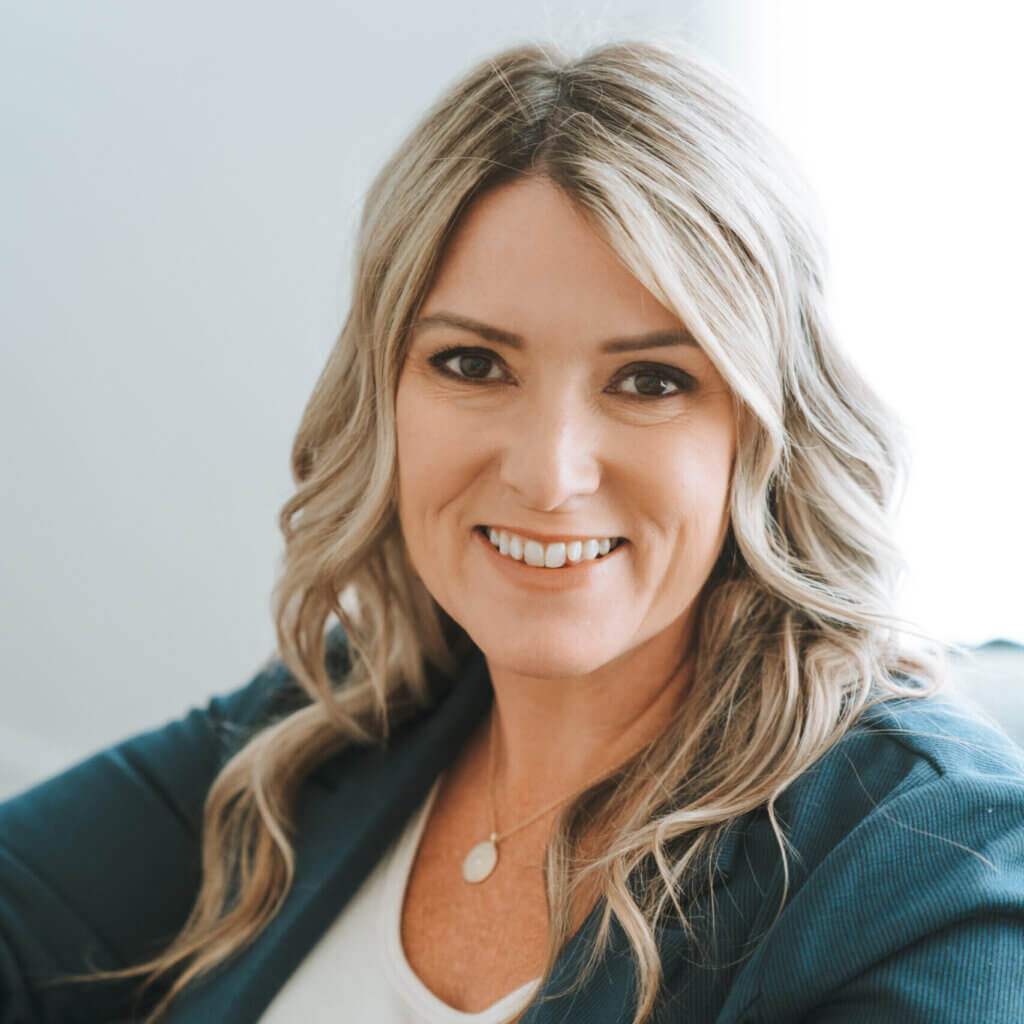
Hi, I’m Shannon Mattern, and I’m a Pricing Coach for women web designers who are ready to stop undercharging, stop overdelivering, and finally build a simpler, more profitable business that actually supports the life they want.

Go Premium

I'm sorry, I can’t help with that.

Listen in as I coach ambitious women web designers just like you. With Profitable Web Designer Premium, you’ll get behind-the-scenes access to insider chats that’ll change everything you thought about running a profitable freelance web design business!

5 subtle Proposal mistakes costing web designers thousands

Find out the 5 subtle proposal mistakes even experienced web designers make that cost them thousands – and what to do instead. 

TRANSCRIPT

Shannon Mattern (00:14.766)

Hello, hello, welcome. So good to see you all.

Shannon Mattern (00:24.814)

So I'm so excited that you're here and that you made time for this session today where I'm going to be doing a live Q &A about how to break through your pricing ceiling. I'm going to talk through the pricing strategy that we teach in the Web Designer Academy. I'm going to be answering your questions. So I invited you to pre-submit questions.

about pricing and pricing strategy and pricing mindset before this call. But if you did not pre-submit a question, please feel free to ask any question that you have in the chat that comes up for me or for you with what I'm gonna share with you today to jump off of what people ask. This is your time to ask those things. I just wish I had to ask this. So,

Before we dive in, I just want to say that the way that session works is that I'm going to share some information with you. I'm going to answer as many questions as I can during our time together. And if you're just here to listen in, that is totally cool.

But also, just like in all of our programs, your questions are a gift to the rest of the room. There are no stupid questions. And so you can't take up too much time. You can't ask anything to advanced or to, you know, beginner. So just ask what you want to ask. And I also promise that I would also share our three step free consultation to proposal to package matrix strategy. So I'm going to break that down very briefly for you today.

that our students use to reach their income goals with less clients. So I'm going to share that with you and then you can also ask your questions about that as well. This session is being recorded. The replay will be publicly shared on the Profitable Web Designer podcast. So I just want you to note that going in, in case you want to not be on audio and you want to just ask me questions in the chat, but...

Shannon Mattern (02:36.694)

With your Q &A, are also more than welcome to unmute and we can actually talk. So if you're unmuted, I'm muting all of you. I'm muting all of you now. So let me just make sure. Yeah. So that's OK. I try to mute everybody as they come in, but it's all good.

So that's the way today's Q &A is going to work. I see that you all have found the chat. And it's interesting that I didn't hear the people who are muted. So I'm like, is my volume up? But we'll deal with that when we get to the Q &A section. So yeah, that's how this session is going to work. So if you run your

web design business in the traditional way where you do a consultation with a prospect to find out what they need. And then you either match them with an existing package or you put together a custom proposal just for them. And then you deliver over a period of time, whether that's a few weeks or a few months, you are in the right place. And you might think that

The only way to reach your income goals and have the freedom and flexibility you want is to figure out how to like speed up that process or charge less and deliver faster to more clients. And that is a way that you can do that, but it's not the only way. And so the trade-off of finding ways to deliver faster at lower prices is that you need more clients. And like I said, there is absolutely nothing wrong with that. It just means, it means more marketing, more lead generation, more sales conversations.

and more time and resources on marketing and sales. And so the time that you're saving on delivery can get shifted into marketing and sales. And so the people that we work with inside of the web designer academy typically want to work with less clients at higher prices. And that's what we help you do. So we help you solve all of the reasons why.

Shannon Mattern (04:47.756)

you find the traditional web design project model so challenging on the delivery side and want to just quit the whole thing and go sell templates, right? So projects that drag on forever, getting content from clients, scope creep revisions, being on call 24 seven, what I call over delivering, those are the problems that we solve. But we also help you solve the biggest place, the traditional web design business model breaks down and makes you feel like it's not worth it. And that's undercharging.

And that is why I'm so glad that you're here today to talk about pricing and different ways to price your work. Because when you get to the end of a web design project and you think, well, it wasn't worth it. I should have charged double. The simplest and quickest solution is not to go change your whole entire business model so that you can charge less. It's to charge double next time to fix the leaks in your process that make you hate your life. And you might think, I don't know.

any clients that would pay that much, but I would argue that it's a process shift, not a marketing shift, not any of that. So that's what we do at the Web Designer Academy. We help you make more from the opportunities all around you right now, from the business you have today, from the clients all around you right now. So I'm to be very briefly walking you through our free consultation, paid discovery package matrix process that we teach inside the Web Designer Academy.

I also have five pre-submitted questions from those of you who signed up to be here today. So I wanna make sure that I have plenty of time to answer those. If you're here with me live, I wanna make sure that if you have a question, put it in the chat or you can unmute and ask it too if you wanna be on the podcast replay. Full disclosure, you'll be on the podcast replay. And I wanna make sure that we get all of your questions answered. So the process that I'm gonna walk you through

like I said very briefly so I can get to your questions, is the same process that our students inside the Web Designer Academy use to charge more so that they don't have to have as many clients to reach their income goals. We've had students go from charging $2,000 for a traditional web design project to $6,750, $2,500 to $8,000, $4,000 to $10,000, $5,000 to $15,000, $10,000 to $35,000. That's the most recent.

Shannon Mattern (07:14.538)

student that joined us, she was charging 10,000, implemented this process, landed a project for 35. For the same thing that she was selling for $10,000 before to the same pool of people that was already around her. And I'm telling you, this is not some big, deep mindset shift. I love mindset shifts. If you listen to the Profitable Web Designer podcast, you know I'm all about mindset shifts. This is literally a process shift because

how you're doing your consultations and your proposals and your pricing right now to sell your web design projects or your ongoing recurring revenue services or whatever that is, typically is setting you up to undercharge, over-deliver, proven defend and justify why you're qualified to charge the price you're charging to convince them that these deliverables are worth it. And so that's what our process fixes because most web designers do one of two things.

When they get on a call, they ask some standard questions like, tell me about your business, tell me more about your project, is this a new build or a redesign? What do you need? Do you need branding and a logo? What kind of functionality do you need? You ask about budget, about pricing, you get all of the information that you need to scope the project, right? Put a one in the chat if you do this. And then you listen to everything that they say and you're like, okay, yep, we'll scope that, we'll scope that, we'll scope that.

And either you go away and you're like, let's put, I'll put together a proposal. And then you spend hours researching that and putting it together and scoping and agonizing over the price. You see the scope. You're like, they're not going to pay that much. How can I make it so that I can charge less? Or you might have preset packages and a process and they start talking about the different features and deliverables and you know, things that they want. And you're like, okay, I'm going to try to match them with, with my preexisting package.

and you're trying to sell them on your process and your features and your deliverables and how your process works. And here's all of this and here's the price. And so what happens is the clients, like sometimes they say yes, and that's amazing. And you go on and you deliver and you get to them and you're like, my gosh, I should have charged double or they ghost and

Shannon Mattern (09:38.978)

They just don't respond to your proposal or all of your attempts at follow-up or they come back and they're like, that sounds great. I'd really love to work with you, but I just can't afford it. And then you're like, I really need the money. I really want to work with them. I'm going to figure out a way to lower the price to get them to say yes. Have you ever experienced any of that? Drop a one in the chat if that has been your experience with the traditional web design project model.

It was my experience at least in my first few years of, you know, trying to figure out how to sell web design projects. So please hear me when I say this, it's not a pricing problem. It's a process problem. Before anyone buys anything, I don't care what it is, whether it's a preset package or a custom proposal or whatever it is you're selling, three things have to be true.

They need to believe that saying yes will leave them with more. More time, more money, more freedom, more capacity, not less. And they also need to believe, to trust that you're the one that can actually get them there.

and they need to feel like they are in control of the decision. So the process that we teach inside of the Web Designer Academy includes some really specific questions that get the client to paint the picture for themselves of the value of working with you. So you don't have to sell them on it just by being curious and being your wonderful self and asking questions. Simple questions like, what's one new client worth to your business? Such an easy question. So many of you

won't ask it, just do not ask it in your consultation process. You feel like that's none of your business or I don't want to be on the hook for being responsible for outcomes and results. So the way we have you set up the actual like free consultation portion is not asking all the questions that you need to scope the project, although you will get those answers. It's to ask questions that establish

Shannon Mattern (11:52.482)

the value of the project and the cost of not moving forward. And so that's what our process is like. And then that's the free consultation step that we teach is yes, ask, we need to know about the project. We wanna know about their business. We need to establish whether or not we're a good fit, but we also need to know what's the real problem that we're solving here. I don't have a website, I need one and you fill the gap, but what is that?

going to really solve for them and what is it going to cost them to not move forward? So that's the free consultation. So we talk about paid discovery at the web designer Academy. People think that like that means they're going to have to pay you to even get on a call with you. That's not what that is. You start with a free consultation. Then at the end of the consultation, we have you offer two options. One, we do strategy first and you pay for that, which is called paid discovery or

proposal first, which is package matrix. And we let them decide either way they choose is okay. And you'll tell them the trade-offs and you'll just let them decide. And so we give our students the exact scripts for this, but in a nutshell, they're like, after they ask all of the questions and the free consultation and they find out the value and the cost and all of those things, including project details, they're like, great, here are your options for moving forward. Pay discovery or package matrix.

Which one would you like? And of course, like there's more words to it than that. give you scripts for all of it, but it's super low pressure. And I don't care which one you choose. They get to decide they're in control of the decision, but you're in control of what their decisions are. And that's the key shift to make, to make any web design project profitable and sustainable. You give your client choices, but you're in control of what their choices are. So if your client chooses paid discovery,

What they're paying you for is to develop the strategy for them. And you're already doing this. You've just been doing it for free or you've been doing it after you've booked the project. And so people feel real weird about selling strategy first or discovery. But what makes it an easy guess for the client, the way we teach it, is it's risk free for them. If they decide that they don't want to work with you to implement the strategy, they get to keep it.

Shannon Mattern (14:16.834)

And if they do, you credit the price to their project and you get paid for all that work that you've either been doing for free up until now, or when people, you know, and then people would say no to your proposal and you're like, this isn't worth the time I spent on this proposal. Now it will be, you'll get paid for it. But also if you've been doing strategy after the project gets booked, that's when you're inadvertently planting a bunch of creep seeds, right?

And you're like, I should have thought of all of this beforehand. I didn't have all the information when I scoped the project. It's my fault. I should have known better. I can't charge them more now. I don't want to nickel and dime them. You avoid that altogether. So that step-by-step process inside the paid discovery piece that they pay for first, and they walk away with a website strategy and knowing exactly what they need to build, whether you do it or they take it somewhere else. And you're truly unattached to that.

That process shows them, I understand where you are right now. I know exactly where you need to go to get there, how to take you there. And I'm going to paint the picture of the value and the return on investment for this for you, because I've asked you all the right questions and I know that. And then you show them the ROI before they've ever seen the price, more than in just numbers. And that's part of anchoring high. That's what makes the value real.

not a testimonial from another client that you've worked with. We love happy clients. We're going to put testimonials everywhere whenever we get them. But that's what makes the value real to the person in front of you. Not a list of deliverables, not a page on your site that lists your packages, not your process, which I'm sure is awesome. No one's buying your process. They're buying the outcomes and results that they can get as a result of your process. So when you built them a strategy that says,

I see you where you are now. I understand your situation, your goals. Here's how we're going to realistically get you there based on all of the factors that are within our control. That's when they're like, I understand what this is. So then next up in our sales process comes the package matrix. I talked about this at the Simply Profitable Designer Summit, if you were there.

Shannon Mattern (16:33.174)

If you want to go to webdesigneracademy.com forward slash template, you can get our package matrix template and learn all about it. I'm not going to go into that here today because I want to make sure I answer all of your questions about pricing, but our package matrix strategy is how you make the offer to implement the strategy that you've just shown them. And like I said earlier, people need to feel like they're in control of the decision. Some people are investment minded. They're thinking about like what their time is worth and the cost of waiting.

and they just want everything handled and they understand like it, the cost of spending their time on something versus paying somebody to do it. And they understand like, parting with this money today is going to help me create more. Some people are hustle minded. They're willing to roll up their sleeves if they have a guide and some people are expense minded and are just focused on budget and they want to start lean and you don't know who you're talking to across, across the screen from you.

So we stop guessing, we put options in front of them, we anchor high and we let them self-select and they might change their mind in the moment and decide to book you at the highest level. But it's not about you. It's about them. You take the pressure off of them. You stop over-explaining, over-justifying, package stuffing. You just present the options, you explain them and you tie them back to what they said they wanted and needed and you let them tell you which feels like the best option.

So that free consultation gets them to talk about, talk themselves into the value of moving forward. Paid discovery demonstrates that you are the person to translate where they're at now to where they want to go and shows them not just saying, hey, look, I've done this for other people because people are like, yeah, but will it work for me? And so paid discovery answers that question.

And then package matrix presents options for implementing that strategy, designing a value-based decision instead of a cost-based one, designing a decision that says, here's how this is going to help me create more versus here's how much less I'll have if I do this. And so that's the decision that you need to intentionally design just as you intentionally design a homepage to convert or something like that.

Shannon Mattern (18:54.83)

you get to design your proposals to convert the same way you would design a webpage to convert. And that checks all of those three boxes. They need to believe that saying yes, we'll leave them with more, not less. They need to trust that you can actually get them there and they need to feel like they're in control of the decision, especially at those higher prices. So that's how our students go from selling $10,000 website to 35,000, 5,000 to 15 or the same

deliverables or the same deliverables. So what I love about our strategy is that you can implement it on your very next consultation. You don't have to change anything about your website, your delivery, your systems, your processes, your services. You simply change the words you say on your next consultation and the decision you're asking them to make. You change your proposal process. You change how you frame it.

And when you're doing that for, when you're putting together a custom proposal for a $2,500 web design project, no, it's not worth it. It is not worth the time. If you're making 8,000, 10,000, 12, 15, now we're talking. It's worth the time to put into this process. So like I said, this isn't you changing your offers or your services. It's changing how you talk about them.

how you sell them and making that process worth it. So that's just the tip of the iceberg of our process that we teach inside the Web Designer Academy. You can pop over to webdesigneracademy.com forward slash program to learn more about it. And we're gonna dive into your questions, but I wanna leave you with this before we start with that. Every project you undercharge on and under scope and don't charge for after the fact and get into scope.

and of that, it's time and money you never get back. And I don't want you to keep struggling, trying to figure it out on your own and try to figure out, well, if I just charge less, then I'll get more clients. It doesn't usually work that way, right? You're leaving so much more time and money on the table when you could change it on your very next consultation. Okay, so that is my soapbox.

Shannon Mattern (21:23.118)

and that's what we do. So I want to switch gears into our live Q &A questions. So if you have a question that you didn't pre-submit, you can ask it in the chat. see that Pradeep has asked a question in the chat and I'm gonna start with our pre-submitted questions from our email list. So Emily has the first question and Emily asks, how would you present

a package of add-on offers. For example, social email graphics, add-on strategy calls, lead magnet creation to a website offer. Would you save these for the discovery call or on a backend hidden page or would you list these throughout the website so that people know that you offer these services? I see that there is a Emily here. the Emily who asked that question here and

If so, do you have anything to add to that question and feel free to unmute and share or pop it in the chat. So I just want to give you a chance to expand if you're here.

Shannon Mattern (22:33.902)

And I see that Emily is unmuted, but I can't hear you. So I'm thinking I've got like a technical issue here with my AirPods. So let me just swap really quick just in case. It's me, I'm guessing.

Shannon Mattern (22:58.83)

And if you're not talking, you can just put in the chat like Shannon, I'm not talking. I don't know what you're talking.

Shannon Mattern (23:08.718)

Okay. Amazing. So it's my brand new AirPods that I just bought because my other ones were acting up. So here we go. Okay. I can hear you go in analog. All right. Thank you so much for reading that question. Yeah, no, I've just heard from, you know, different perspectives that when you have, you know, a whole list of add-on services that may or may not be, you know, so directly tied to the

for a website offer that sometimes I could, you know, detract or confuse. So sometimes people wait to just save all of those offerings for the backend. But I also don't want to go without there being, you know, not any awareness that, you know, these are on the table either. So I'm just trying to find that balance of, you know, sprinkling it in for awareness, but also doing the best time to introduce it basically. Thank you.

Yeah, thank you. And so my perspective is a little different than maybe what you might have heard. And like when we have like a package on our website with a price and then a bunch of add-ons with prices, I'm designing a cost-based decision. And what I mean by that is I'm basically presenting the decision to the client is like, look at all of these.

line items, five page website, branding and logo, copywriting, whatever you guys know, what you all include in your sites. You don't have to have me list that out. And then add-ons, social media, SEO, whatever. I'm basically just giving you a list of menu items and showing you a price. That's a cost-based decision. You're saying, hey, customer, is this five page website worth like

worth this much to you. I'm talking about designing an entirely different decision framework where we're not talking about the cost of deliverables. And so to answer your question though, from the philosophy of what we teach inside of the web designer academy, we don't teach having an add-on of items that people can choose from.

Shannon Mattern (25:31.67)

What we teach is, let's have a consultation. Let's talk about what you need. If let's do strategy. If part of what you need is this and I offer it, I'm going to present that in the strategy. And then I'm going to like put some pricing around it in the package matrix. So I understand that you're saying, well, like, how do I let people know that that's

That's what I do. You can absolutely just say, we offer these services as well. But if you want to shift from cost-based pricing and people making a decision based on comparing what you charge for this to comparing what everybody else charges for it and being like, well, why is Emily charging this for it when Alicia's charging this and Andrea is charging this and Chris is charging that?

got to untie your, have to, you've got to start using the right pricing model for a service-based business, which is value-based pricing. So I recommend to you, Emily, that you can like share that you offer these services, but then you only bring them up if it's relevant to the discussion that you had with the client in the

like in the strategy piece. And then the package matrix, the way we teach it, the package matrix is like, and here's what it looks like for us to implement this strategy for you. And it's just a whole different conversation and a whole different way of thinking about and presenting your services. That's designing a value-based decision for your client instead of a cost-based decision. So that's

my answer to that. We don't teach packages with add-ons unless we're very intentionally being like, want my target audience to make a cost-based decision because I have very intentionally decided that I'm going for volume of clients and at lower prices to make the money that I wanna make versus going with a lower number of clients at higher prices.

Shannon Mattern (27:58.99)

Great question. Amber asks, let's see, oh, Amber told me she wasn't going to be here. So I asked her a few questions back and forth when she asked this. said, I genuinely don't feel that my design, web design has come far enough along to be able to charge more. So how many of you here maybe sometimes feel that way? She's like, but I also desperately need to be making more money than I currently am. How do you recommend that I grow

my skills so that I can increase my value for myself and my clients. And I asked Amber, I'm like, well, tell me what's not good enough about your skills right now. You know, like tell me why your skills aren't good enough right now. And she was like, well, I just don't feel like I have a design aesthetic that is like recognizable as, Amber's studio designed that.

She's like, I don't feel like I've landed on like that thing that we do for our clients that would like make some, make someone look at my studio and like want to work with me because my designs are so good and my vibe are so good and my aesthetics are so good. And that is a very common thing that I see where people are like,

I'm not good enough. haven't landed there yet. I haven't like kind of figured my own thing out. But once I figure that out and I get known for that thing, then I can charge more. And I just want to tell you that no, you don't have to like, please pursue like the please pursue that for the love of your craft.

And because you do want to, because you're an artist and because you're a creative and like, I definitely want you to love what you do and why you do it and feel really good about your designs and like the art that you create. However, when you're going to tie your price to that thing, you're tying your price to the wrong thing. It is not about you. People are not buying you.

Shannon Mattern (30:24.546)

They're not buying your vibe. They're, they're buying the outcomes and results that they can create as a result. So my question to you, Amber would be like, can you capture the vibe of someone else's business? If you did a, if you, if you met with a client and you found out about their business and their target audience and what their challenges are and what they need and their brand voice and

All of those things, can you translate that into a strategy that they vibe with? It might not be what you vibe with. It might not be the, this is the look that I'm gonna be known for. But can you do that for your client? Can you build something that's going to, one, that they're gonna be proud of and love and share, but that's also going to solve their business problems and help them reach their business goals?

And if you're like, well, I don't even know what those things are. That's what our paid strategy is for to have you ask those questions and then tell you how to take the answers and turn the answers into a strategy and tie what they value and all of that and take all of that very specific to that client related information and turn it into a strategy. Can you then build that? Because.

If the answer is yes, you don't have to wait to charge more. It's not about you. Your price isn't about you. Your marketing isn't about you. Your sales isn't about you. It's about the client. And this is the missing piece I see for so many is like, I just want to put together preset packages. I want to put them on my website. I want to sell people on what that looks like and what's in them.

and then have them buy that package and have them understand why they should buy that package. And I think you're missing a huge opportunity when you're just like, Hey, let's talk. Let me find out what you need. Let me ask you these questions. Let me actually make a cup, make like do something custom for you. Now I don't mean that you're going to build from scratch for them, from them every time, but you're going to take the time to say, I see what you need.

Shannon Mattern (32:49.474)

Here's how I'm gonna make this for you. Here's how this is gonna solve your problem. It might be your same process that you do for everyone. That's okay, but you're showing them the value of it. So Amber, please stop waiting until you feel good enough with your design skills to charge what you really can be charging. Now, if you're like, I don't know how to build a website and I don't know how to use these design tools,

And I don't even like, that's a different conversation. Then I just feel like I haven't hit my stride is what my studios brand is. We work with web designer. My, one of my most recent client success stories, Fabiana, she doesn't even have, she has a landing page for her website because she's never gotten around to building it. And she just sold a $20,000 project because it's not about that. It's about, she did a free consultation to a paid discovery.

So stop waiting, Amber. You, your value is already there. You don't need to increase it. You need to change your process so that you can charge more.

I'm so passionate about this. If you guys can't tell. So Lisa is next. Lisa says, just saw you on the call Tuesday. So what she's talking about, she came to one of our Web Designer Academy live strategy calls. I'll tell you more about how you can come to that later. But we'll join for this too. Or catch the replay if it's a bit late on my side. So Lisa said,

My question is, is paid discovery necessary or possible with a small site, even a display site of four to five pages? I've done paid scopes for larger projects, but these are typically existing websites that need a full overhaul. Wondering if a smaller brochure build also can have paid discovery. So yes, absolutely. Yeah, Chris said we creatives often suffer from imposter syndrome. Yeah, like I'm here to.

Shannon Mattern (35:02.2)

help you stop the imposter syndrome from costing you, right? But so to answer Lisa's question, should I use paid discovery for a small project? The purpose of paid discovery, yes, absolutely is to scope and to get paid to scope and to get paid to like do all of that stuff that you're either doing for free ahead of time so that you can scope.

or to the thing that you're doing after you get paid and you're like, this is like bigger than I thought it was going to be. And now I have to have an awkward money conversation. Paid discoveries for scoping, but it's also to pre frame the value of working with you. So even if it's us, people are, people come in the web designer Academy all the time. They're like, Shannon, I just had a consultation with a client. It's a pretty straightforward brochure site. They don't really need.

like much in terms of functionality, this and that, like it's, do I have to do paid discovery? And I'm like, you don't have to do anything. Or do I have to offer paid discovery? I'm like, you don't have to offer anything, but here's what you're missing when you don't offer paid discovery. You're missing the opportunity to show, like paint the picture of the value of the strategy.

You're missing the opportunity to show that you're the person that can be, that understands and empathizes with their business and their current challenges and their goals and what they want. Even if their challenges aren't like painful, right? There's a gap between where they are now and where they want to be. You're missing the opportunity to paint the picture of why you are the perfect person to work with them on this project. You're missing the opportunity to show that

how you work, right? You're missing the opportunity to like take control of the project and lead them through it. And you're missing the opportunity to pre-frame the value. We have students that say, I had a free consultation with a client. They said their budget was X. We went through the paid discovery process. And then when I presented the paid discovery strategy,

Shannon Mattern (37:26.892)

And then the package matrix of how of like the options for implementation and the features and the pricing. They booked a project at higher than what they told me that their budget was. So you're missing the opportunity to let people pay you more when you don't do paid discovery.

Package matrix works without paid discovery. We, taught package matrix. taught free consultation to package matrix for at least five years before we added in the paid discovery step. We added in the paid discovery step because a few of our students had like came up with the idea. They're like, I don't really have enough information to scope this and I don't want to do it beforehand. I'm going to try it. we're.

then they're like, and then I did the package matrix off the backend and it really worked. And then we're, and then we beta tested it. And then we actually like made it an official part of our process. So paid discovery works without package matrix to anchor high and sell projects at higher prices than you ever thought possible, but paid discovery like accelerates that. So, Bon, I will, I saw your question. I'll add it to the queue and I'll answer that. but

Everyone else, feel free to jump in on that as well. So Chris, I see that you're here. Thank you for submitting a question. You asked, do you address the ever-changing factor of AI search results and how we need to design our websites to show up in AI search? So feel free to unmute and share anything else with that. And also, you don't have to.

So in the Web Designer Academy program, we work with people who already like, we don't teach you services to offer to your clients, right? So we're not gonna teach you, here's how to build a website with WordPress. We're not gonna teach you, here's how to do SEO for your clients. We don't teach you AI search.

Shannon Mattern (39:43.17)

We don't teach you any of those skills. We teach the skill of running a business. So we don't teach that in our program specifically, but I just hosted an entire summit called Conversion Fest, which is all about designing websites that convert. And I brought in experts to talk about those things for you because it's definitely

It's definitely a topic that you need to know. So like inside of our paid program, we're not teaching any skills, any like design skills, I shouldn't say. No, we don't teach skills in our program. We teach business skills and we teach marketing strategy. We teach analog marketing strategies that are algorithm proof, AI proof. teach referral.

based marketing and how to get clients based on relationships. Not to say that those other things aren't important, but those aren't things that I'm keeping up on. Yeah, Chris, I hear you're unmuted. Go ahead. yeah. Thank you so much. I realized that the question that I submitted earlier in the week was a little bit off topic, and it makes total sense.

because there really are two really important parts of running your own business, right? It's the creative side, having that confidence, maybe even having your own process, creative process. But the business side is a really, really important part that I definitely need to focus on. So what you're sharing in the academy is super interesting and I think an area that I don't spend enough time on. So I appreciate it. Yeah, I think

that that's what you just said is true for so many people. They're like, if I just get better at skills, design skills, then I can charge more. And what we're seeing now more than ever is that what you need to be quote unquote good at is changing so fast. And so I am always of the opinion that like your value as designers

Shannon Mattern (42:06.826)

comes from like being the one to be willing to dig in and figure it out. Like that's your superpower. Your superpower is like, yeah, there's this new thing. I'm going to go learn about it. But that doesn't mean that you can't get paid to go learn about it. Right. If you're like, AI searches here, it's changing. It's happening all the time. And

as part of this project, I'm gonna apply the best practices that are here right now to it that I'm learning currently to your project. And if something changes, we'll talk about what it looks like for me to make those changes along with you in a partnership and a collaboration. And you're going to pay me to make changes as things evolve. We don't have to wait till we know everything.

And I think that that's something that I see with people. And I also see because they think their skills are where their value comes from, they don't spend enough time on, wait, what are the business strategies of sales and making offers and charging more and preventing scope creep and all of that stuff that are actually the timeless things that regardless of what my offers are apply.

So yeah, great question. Our next question is from Marina, and then we've got a question from Pradeep and then Bon. And if you have questions that you want to make sure that I answer, please make sure that you put them in the chat so that, because you got me here. definitely ask. Marina says, I want to focus more on design days.

Shannon Mattern (44:16.617)

And so, it's not just the number of pages, but I should write, should I write content for them? What do you think? so, um,

I just hosted the 10th annual Simply Profitable Designer Summit where it was talking about like designing for conversion. But we also had like a lot of my friends and colleagues run completely different or teach completely different business models, right? Like I'm talking about how do we book more lucrative traditional web design projects without hating our lives? Other people sell design days, website in a week, product tie services. So.

I've been getting asked this question a lot, Marina. And so I just recorded a podcast episode on the profitable web designer podcast, that comes out next week, talking about like the different web design business models and, how to, how to consider them and how to make that decision for yourself about which one is best for you. And so your question is like, I want to folk, I want to focus on design days.

but maybe sell bigger websites too. And how do I do that? And I'm like, free consultation. just, you don't have to like design your whole website around your offer. And when you're thinking like, the way that I sell these is traffic marketing. So I'm going to like do a bunch of SEO. I'm going to do a bunch of social media. I'm going to do most web designers I talked to don't do paid ads, but I'm going to do traffic marketing strategies because

I'm marketing my business. Like I think this is the big, like, the big other thing that gets in web designers way, way they're like, because I websites for clients who use traffic marketing strategies to sell their stuff, get clients, run their business, right? Like you're building a website that's SEO optimized, that's designed to

Shannon Mattern (46:24.77)

like help them get traffic, maybe not all the time. Maybe you're building a website for someone whose method of marketing is relationship marketing. You think that your website should also bring you leads. And the shift is to think, actually what brings me leads is relationships. And so I don't necessarily have to like pre-sell my client on what

package might be perfect for them, I can just have a button that says book a call and we can talk through it. It can be that simple. And I know it feels like it goes against everything that you like might do for a client, but it can be that simple. So especially when you're like, I don't know what I want to offer. I think I want to offer this. I'm not sure. I think I might want to do this. I'm not sure. And then you're like forcing yourself to like make a decision.

so that you can build your website around it so that you can start marketing so that you can start getting clients. I'm like, how about just start talking to people and then be, and after that conversation, I'd be like, you know what? You'd be a great fit for a design day. You know what? You'd be a great fit for a bigger web design package. Would you like to do a paid discovery strategy? Like, why does it have to be this decision that's pre-made? And I know you're

Shannon Mattern (48:00.829)

And so instead of trying to figure all of that out ahead of time, you can absolutely just talk to people and make offers and not like rely on your website to do the selling for you.

And that's what I see so many people do that keeps them like really hustling and stuck and like not moving forward to get clients because they're like, well, I have to figure it out and then I have to build a sales page and then I have to do this and this and that. Like those things can come later. And sometimes they come never and you're booking $20,000 projects and like are some of our students, some of our students have websites that are fully fleshed out. Some of our students, you know, don't.

They're selling things that aren't even on their website. So it just depends. So Pradeep asks, how do I land my first client as a Shopify developer apart from using Upwork and Fiverr? Followed up by, if a client already has a Shopify store but has a problem and their website's not working, how do I reach out to clients? So how do you get your first client?

specifically with Shopify, we, I'm like going in the like way back machine 10 years ago, when I first started working with web designers and like teaching them all of our strategies and how to get clients. Like the very first thing I did was just tell people what I was up to. I know that sounds so simple and so basic. Like it wouldn't.

Shannon Mattern (50:04.234)

And just start letting people know that.

Shannon Mattern (50:13.876)

The other thing that you can do is find, this is what I did back in the day. I found the people who were like mentoring businesses who would use Shopify. So Shopify is like a very broad category. There could be lots of different types of companies building on Shopify.

But is there a podcaster out there or a YouTuber out there that's teaching brands how to get started on Shopify and sell their products on Shopify? I'd be reaching out to that person who's like a business coach for product-based businesses who sell on Shopify. I could, if you ask chat GPT or Claude, there's probably a ton of those people out there.

different niches, probably teaching how to sell beauty products, how to sell retail, like who freaking knows we could, there's everything out there. If I was in your shoes, Pradeep, I would be reaching out to that person to say, Hey, I see that you teach wholesale paint companies. And I just bring that up. Cause I built a website for wholesale paint company, on Shopify back in the day, wholesale paint companies, how to sell.

their paints, how to put their physical store onto Shopify. I'm a Shopify developer. work with companies who, clients and companies who don't want to DIY their Shopify anymore, who need a trusted partner. Do you know anyone who needs some support? And I would just build relationships with people

who are not directly your ideal client, but need to help that help your ideal client in some way. And you have to be willing to be totally ghosted or rejected, whatever. But if you reach out with sincerity and you take the time to research that person, get to know a little bit about them and how they help their clients,

Shannon Mattern (52:40.95)

Maybe understand, because if you're a Shopify developer, you probably know all of the places people mess up Shopify or get frustrated and then stuck and cause their launch of their store to get delayed by months and months and months. You can come in and you can solve those problems. So the person who's teaching those people or mentoring or guiding those people, you're solving a problem for them. You're gonna help make their clients more successful.

That is absolutely the place I would start. And you have to just be willing to be told, no, Nope, not interested. Don't need it. Whatever. If you feel like if you're more teachery, and you like training and you like talking to people and you like, know, you can be like, I would love to host a Q and a session for your clients. and answer all of their questions about this. And then at the end you're like, Hey,

I am taking it like I have X spots open for consultations. I'd love for you to sign up and we can talk more about your business and how I might be able to help you. So you have to make the first move. That's our whole entire marketing strategy that we teach at the Web Designer Academy. Stop waiting for people to find you. Go make the first move. Yes, please go do all the things for the people who...

are searching for you so that they can find you, but don't wait for people to find you. Go find the people. Go find the people. And like I said, you can implement our strategies on your very next consultation. You don't have to wait till all of these things that you think you have to have in place before you could ever charge that much. You can charge that much on your very next proposal if you change your process and how you're doing things. So.

That was the last pre-submitted question. Trisha, I'm glad you found that suggestion helpful. Bon asked, I'm looking for a course in WordPress. Can anyone recommend anything? My friend, and I always call him my brother from another mother, Josh Hall, web designer pro. He is, and I'm going to give you my affiliate link.

Shannon Mattern (55:01.474)

He is the guy that's gonna teach you WordPress from a business perspective. So he's not just gonna teach you here's how to build a website, he's gonna teach you here's how to build websites for clients. And that's a big difference. And so that's why I always recommend him. He's got courses, coaching, community. So it's from a business perspective.

so Marcy says I own a small agency that works with, primarily nonprofit organizations. All of our websites are custom and very involved builds. I, my day job was a nonprofit Marcy before I, I was marketing and communications and IT for a nonprofit. So I understand super custom and lots of cooks in the kitchen typically, have tools such as directories, post types, API integrations.

Packaging or flat pricing isn't a fit for the projects that we do. What I'd love to figure out is how to use Patrick without adding even more value to what we do. A majority of our clients work with us long-term over and over thoughts like, yeah, come talk to us. I could absolutely help you do that. There's huge opportunity for you to package Matrix, your offers with your clients.

to not only like add value, but to like show the value and get paid well for the value. And for anyone else listening, and Marcy, you may know this, but for anyone else listening, nonprofit doesn't mean doesn't have money. Nonprofit means we don't take a profit. Nonprofit means our website's part of our mission and vision, and so we invest.

in the mission and vision of the business. And part of that investment is making sure that our website is serving our mission and vision, whether that's donors, volunteers, whatever that is. And so there's a mindset shifts to charge profitably and sustainably for nonprofits. But yeah, like how you use package matrix is

Shannon Mattern (57:24.782)

page discovery to scope all that stuff out, package matrix to anchor high and really show them the value of working with your team at the highest capacity versus them contributing some of their resources to it as well. there's, package, we teach our students to package matrix like the initial engagement.

But we also teach them how to package matrix the ongoing support. And that's another way that web design businesses leak a lot of time and money. yeah, don't like package. We don't. How should I say this? Some of the people that come to work with us have flat rates, right? They have package rate. They have a set package matrix.

that they put in front of every single client, because they just do this one thing and that's how they sell it. What's more common though, is I'm package matrixing this offer for this client, because I can really match this offer to them. The only way that works though, is if you're charging really well for it, to make it worth your time to put that level of effort in to...

to do that and to build that deep relationship. And that goes back to what I said at the beginning, like, how do we make more money with less clients? Well, we charge more. And then also, we don't just think of it as a one and done. We see different ways that we can add value. And the customer lifetime value increases when you're going for deeper, more strategic relationships than just like,

one and done websites. So RC, that answer your question?

Shannon Mattern (59:21.922)

Yes, thank you. I was just going to say thanks for that and just ask. I'm really blessed that our organizations that we work with really do pay well. You're right. It's just a regular business. So I don't really have that, but I feel like I'm very much leaving that ongoing support that I could better get them committed to that ahead of time versus later. And I just have not figured out how to best use the matrix to do that.

So I won't take too much more time. I just want to ask, do you offer the Patrick and Matrix support as like one-on-one paid consulting to work through that or is it just through the full program? So that's such a good question. I've gotten that question a couple of times. So we, I do have like a private coaching offer. I do have a self-study offer. Feel free to Marcy, book a discovery call with me. Let's talk through what

what you're looking for, because, because this has come up a couple of times, I'm like, think I need to potentially offer, a different way to work with people like you who are like, I don't want group coaching, but I would love your support, like helping me implement this in my business. I'm totally open to what that could look like. So feel free to book a discovery call, with me. So.

Thank you all so much for your questions. I'm going to shift gears now and share more about the Web Designer Academy and how you can book a discovery call with me, learn more about our program. So if you know that you're never gonna join the Web Designer Academy in any capacity, you were just here to listen, feel free to log off. I really hope that you heard something.

that you needed to hear today. But if you're a woman web designer who's beyond that beginner stage, figuring out how to get clients isn't like your main challenge, although we all are always needing to do our marketing work to get clients. you've got clients. Maybe you want more clients, different clients or better clients, but you're over that hump of like, I'm just starting out, how do I get clients?

Shannon Mattern (01:01:44.96)

You've just been trying to piece it together all on your own and you just keep feeling like something's missing. I'd really love to just be able to have access to Shannon to ask her these questions anytime I need, get her eyeballs on my business, her guidance, feedback, creating my package matrix. I'd love to actually know how to actually create a package matrix properly. So funny, I was trying to train Claude on how to like...

build a package matrix for me on demand, create a generator. It keeps getting it wrong every time. I'm just like, my gosh. If people are out there using my free trainings, like trying to get a chatty and Claude to like build them for you, it's probably building it for you wrong, please. And it's going to sound so confident. Like it's like, yep, here's like, here's exactly what it is. And it's going to be wrong. So, as we know AI makes mistakes, please don't trust it.

It might get like 70 % of it right and then mess up on a few key things that are like what makes it actually work. So I was just cracking up. I'm just like, my gosh, Claude, like stop. So, but if you'd love to have our eyes on it and figuring out the unique levers in your business that you can pull to customize it for you and your clients to meet your unique revenue goals. And you just want it to

Like feel like it's not all on you to figure it Figure it out. The web designer Academy was made for you. And so we do have three options for working together right now. And every option includes instant lifetime access to all of our tools, training systems, processes, and scripts for paid discovery package matrix, free consultation, how to run your projects, how to set boundaries, how to stop scope, scope creep, just all of that stuff. and

And it's all works together as a holistic ecosystem end to end because how you do those initial stages determine how the rest of it's going to go. And we teach you what to say, but just as importantly, what not to say, right? Like there's so many ways to not do it. And so we teach you all of that. And we really teach you how to anchor high and design the decision.

Shannon Mattern (01:04:06.744)

versus sell deliverables. also just delivering on your timeline, your terms without scope creep or being on call 24 seven or just taking on responsibility for stuff that's not yours. So we help you with all of that holistically for your whole web design business, not just consultation, paid discovery package matrix. have people bringing in their current

messes or challenges into our program, we help you through those things. So like we were talking with Chris, it's like you spend so much time on your design skills, but what's more valuable and timeless and has ROI that continues to pay off as the industry changes is learning how to package, price, deliver, and sell any service, any service, because as we know, AI is changing everything. Your business might look completely different in two years.

but how to sell the thing that you sell, that's timeless and that's what we teach. So every option includes instant lifetime access. And then the options are private coaching. So that's access to all of that plus a monthly private coaching call with me plus access to our weekly group coaching calls every single Tuesday at 7 a.m. Eastern and 3 p.m. Eastern where you get to ask questions in a group format. Any question you want doesn't matter.

everybody's going through the program at their own pace. Here are my answers to your questions, other people's questions. And that is, you know, the private coaching gives you the additional private one-on-one calls with me where we can work together on your package matrix or whatever you need support with, which we'll figure out if you decide to enroll in private coaching, we'll do a business deep dive analysis. We'll plot out your roadmap together. We'll

figure out what are you working on for those 12 months? I'll give you a plan for going through the Web Designer Academy. So that's the private coaching. Group coaching is you come to those Tuesday strategy calls, you implement the plan that my assistant Erica gives you with a roadmap through the program. You come to those live calls, you ask questions, you get to submit your package matrix to us for review. We give you feedback, we help you customize it. So it's very high touch.

Shannon Mattern (01:06:30.304)

even though it's in a group setting, or you can just do self study and get access to the curriculum and everything without any coaching. And you can just buy that and get started and do it now. So I'm gonna pop links in the chat for all of those, but the program details, you can find it at webdesigneracademy.com forward slash program. You can book a discovery call with me at webdesigneracademy.com forward slash

calendar and you can request an invitation to come to one of our weekly strategy calls. That's not the right link for the strategy call. me put the right link in. You can request to come to our call on Tuesday at webdesigneracademy.com forward slash open house. So those are the three options, private coaching, group coaching, self-study.

All of the details are on that page. And I'll leave you with this, like if you're thinking about it and you're just not sure if it's what you want or if you need or if you have questions before you move forward, book a call with me. I'm not here to talk you into anything. The sales process that we use and teach in the Web Designer Academy is also not like, just get on a call with me. You got.

close them on the call, make sure you get their credit card before they leave, make sure that they've make a decision. Absolutely not. No, you're going to talk to me. I'm going to give you some options for moving forward. That's how it works. So zero pressure. Let's talk it through. Even if it doesn't lead to us working together, that's OK. And also, I just want you to remember you can implement our strategies on your very next consultation. You don't have to wait.

We've had people come and enroll because they have a consultation scheduled the next week, fly by the seat of their pants to implement our strategy and triple their prices. One of my private coaching clients who enrolled in Web Designer Academy group coaching in January and then added on a 90 day shift private coaching, she was charging $10,000 and we worked together.

Shannon Mattern (01:08:54.094)

She got three paid discoveries booked. The first paid discovery client said no to all three of her options in the package matrix. The second one said yes to $35,000. And the third one said yes to $42,000. And that was all within the first 60 days of us working together. It can happen that fast. So I don't want you to wait to make these shifts to the process.

to your process in your web design business. And I'd love to talk to you about what that looks like. You can also just fill out the application. If you're like interested in joining group coaching, tell me more about you and your business. I'll review it. I'll let you know if I think you're a good fit. So if you don't have time to jump on a call, we can do it asynchronously. I love to do things asynchronously. And if you're like, I just want web designer Academy self-study, you can get that too.

Um, you don't have to come into group coaching or private coaching. So that's all there. I just made it myself. Does anybody have any questions before I wrap this Q and a up? Chris, I am so excited to see you on the four 14 call. Um, yeah, Tuesday at 3 p.m. You can go to web designer academy.com forward slash open house, meet the other women on our program, see what it's like, and then decide if moving forward is right for you.

All right. Thank you all so much for being here. And I'll see you on the podcast, on my email list, and wherever we meet next. So thank you. Take care. Bye, everyone.