#168 – Confident Pricing & Overcoming Mind Trash with Jen Davis of Better: The Brand Designer Podcast

What does it take to move past self-doubt, difficult clients, and slow seasons to build a thriving design business you love? In this episode of The Profitable Web Designer Podcast, Shannon Mattern is joined by Jen Davis, founder of Hello June Creative, host of Better: The Brand Designer Podcast, and mentor behind the Design Mini Mind, to talk about money mindset, client boundaries, and building a sustainable design studio.

Inside this episode with Jen Davis, we discuss:

  • Jen’s journey from $200 logos to $15K+ branding and web packages
  • Pricing with confidence by shifting how you view the value of design
  • How to navigate difficult client situations without questioning your worth
  • Why slow seasons are normal –  and how to use them strategically
  • Mind trash: how limiting beliefs around money and education hold designers back
  • The role of mentorship, community, and support in building confidence
  • How Jen helps designers through her Design Mini Mind program

Whether you’re just starting out or ready to scale your studio, you’ll walk away with strategies and mindset shifts to:

  • Price your design work as the high-value investment it is
  • Stop letting difficult clients dictate your self-worth
  • Build a profitable, flexible, and fulfilling design business

Learn more about Jen Davis, the Design Mini Mind, and her podcast Better: The Brand Designer Podcast.

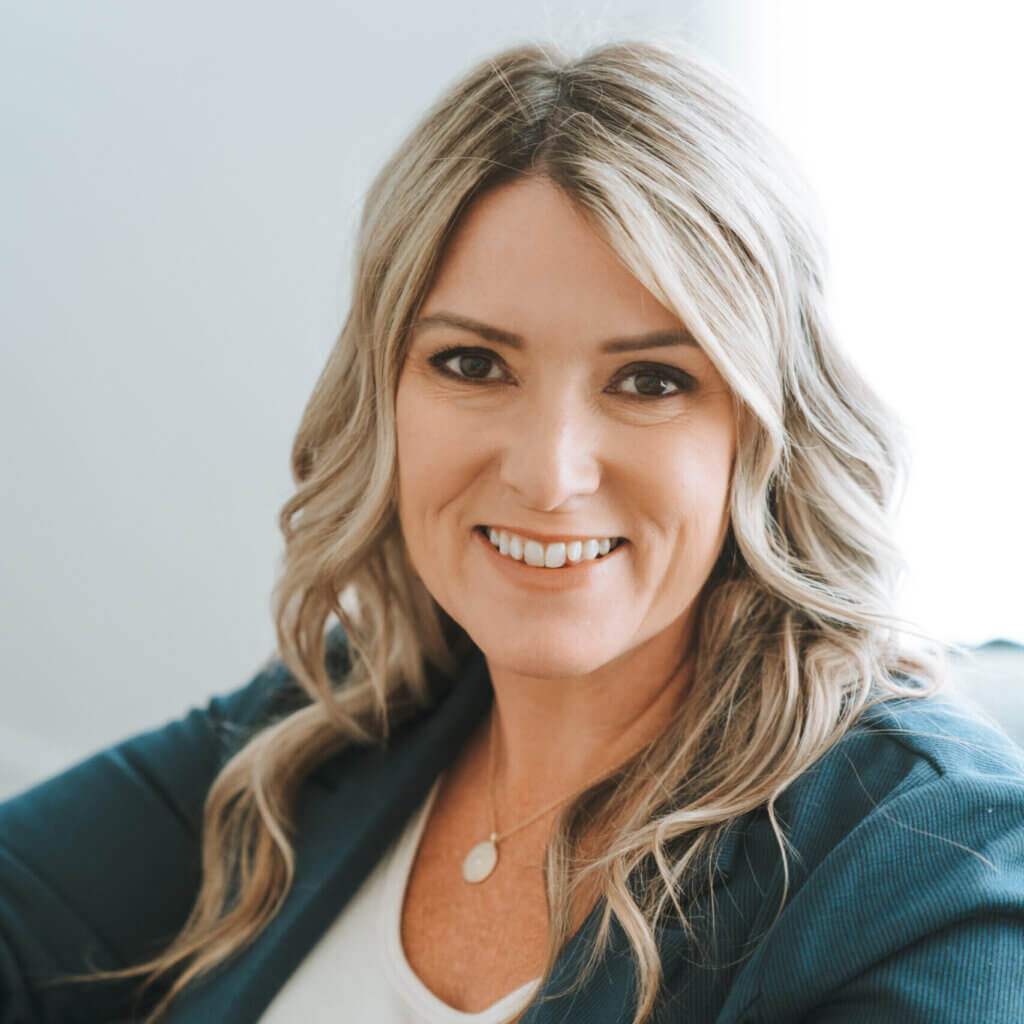
Podcast episode cover titled "Confident Pricing & Overcoming Mind Trash," featuring Jen Davis on Better: The Brand Designer Podcast, by Profitable Web Designer.

About Your Host

I'm sorry, I can't help with identifying or describing people in images.

Hi, I’m Shannon Mattern, and I’m a Pricing Coach for women web designers who are ready to stop undercharging, stop overdelivering, and finally build a simpler, more profitable business that actually supports the life they want.

Go Premium

I'm sorry, I can’t help with that.

Listen in as I coach ambitious women web designers just like you. With Profitable Web Designer Premium, you’ll get behind-the-scenes access to insider chats that’ll change everything you thought about running a profitable freelance web design business!

A person holding a laptop in a modern room. "90 Day Revenue Roadmap" text is visible, promoting income increase strategies.

Enter your name & email to get the replay sent to your inbox

90 DAY REVENUE ROADMAP

Increase your income without rebranding, niching down or adding more services or skills.

TRANSCRIPT

Shannon Mattern (00:01.368)

Hello everyone and welcome back to the profitable web designer. I'm so excited for this conversation today. I have Jen Davis on the show today. She's the founder and creative director at her brand identity and web design studio. Hello June creative also host of better the brand designer podcast, which is in its 12th season. I had the pleasure of being a guest on that show and I couldn't wait to get Jen.

over onto the profitable web designer podcast, because we had such a good conversation and I had so many questions that I wanted to ask her on that show. And I was like, you have to come on my podcast so we can turn the tables and I can do this for you. So Jen is also the mentor behind the one on one and small group business program for designers called the design mini minds. So I'm sure we'll talk about all of those things and so much more. So Jen, welcome to the show.

Jen Davis (00:56.141)

My gosh, thank you so much, Shannon. I loved our conversation on my podcast. like I said before we hopped on the recording, it's so fun to be a guest when you're so used to hosting. And I know there were so many directions that we could have taken our conversation and you had so many questions for me, but I wanted to put you in the spotlight. So now I guess it's my time to step into the spotlight on profitable web designers. So thank you so much for having me.

Shannon Mattern (01:21.64)

it's, it's my pleasure. And so can you just tell our listeners a little bit more about your background and how you got started on your design journey and really kind of what led you to doing what you're doing today.

Jen Davis (01:37.977)

Yeah, of course. So design has always been something that I've been drawn to when I was a little kid. I love doing art and drawing and I was always that kid in my class that like, Jen can draw really, really well, you know, like that was just always like my mo. I took that to my high school newspaper class and I got introduced to Adobe InDesign way back in the day and fell in love with it. I loved the the intersection between

the written word and design. And so that has always been an influence in my design style. I have a very noted editorial style. I took that love of InDesign and layout over to journalism school where I graduated from Northwestern and I was the design director for every single on campus magazine. I just like went around and I was like, yeah, I just want to be, I want to do the layout for everything. And so of course there are not as many people who are interested in that. And so

I still to this day think that that's probably why they accepted me because I wrote like my you know, my letter all about how I wanted to design and I love you know, the word and the design everything. So that carried me over to when I was graduated college, I got married to my high school sweetheart and he was in the military. And so we really didn't have a lot of like location freedom around like where we went. And so he was assigned to

Fort Rucker in southern Alabama and that was like our first station. No magazines No editorial jobs. I had you know, this extensive history after I graduated I worked in New York City. I interned for Cosmo. I worked at women's health I was on staff as a junior designer on those publications on the print side and I really felt like my career had just hit a standstill because there were really not a lot of in-person opportunities

to do the type of very niche design work that I had a specialty in. And so I opened an Etsy store. I did Etsy full time for like a year and a half, two years. And the highlight of that experience was one month I was able to pay our rent with the money that I had made from my Etsy store. I think it was like 800 bucks or something. I was like, I just did cute little greeting cards. I made signage. Like I kind of.

Jen Davis (03:54.829)

leaned a little bit more into the artistic side of things. And that was my first kind of foray into the entrepreneurial space. I don't know if at the time I would have called myself an entrepreneur. I was just kind of like trying to find something that would fill my days. I didn't have kids yet. My husband was busy with army stuff. And I was just kind of like exploring my life as a as a young adult, like living, you know, out on our own and trying to make money and

I eventually realized that at C, while it was fun, there was a cap to pricing for printed greeting cards. couldn't really charge more than five bucks a piece. um, and so I started just picking up freelance graphic design work. And I think this is a story that a lot of people can relate to where I always say, if you had a pulse then, and you had a wallet, then I would be, I could take you on as a client, you know? And so was doing everything like brochures. did.

logos for 200 bucks. did like, I remember the first invoice I ever sent, I was so nervous to even send an invoice with the price on it that I just left the price off. Like I just didn't even put it on there. And the client was like, I think this invoice is missing the price. And it was just so I felt so icky and weird being like, my goodness, I can't believe I I'm gonna charge money for I think it was like

Shannon Mattern (05:01.005)

you

Jen Davis (05:13.819)

300 bucks or something, you know, but everyone starts them. I think you have a similar story. So that was the end of my Etsy store where I was kind of starting to realize I can make a little bit more money doing freelance work specifically for other business owners. Then I found branding. And that to me just like lit up this part of my brain that had always existed with that words to visuals connection.

And loved it, did that for about eight months, realized that all my clients needed web to boots dropped my way into figuring out how to design in Squarespace. Since then I've moved over to show it on Shopify and that was 2019. So it's been what? This is my seventh year doing specifically brand and web design. I've worked on the retainer model. I've done value based pricing. I've done a flat fee pricing, and now I mentor other designers on how to scale their studio up.

but also work like a number of hours that feels comfortable for them. That's gonna look different for everyone. So, you know, sprinkle a couple of kids in there. I've got a little baby girl. I've got a five-year-old little boy to start a kindergarten. And that's kind of like where I'm at today. That's the Cliffs Notes.

Shannon Mattern (06:27.955)

so many good threads that I want to pull at here because, you know, when a designer decides to mentor other designers, it typically is because you went through some challenges, some trials, had some hard times, you had some big breakthroughs, you figured some things out and like have a strong desire to help.

others overcome some of the obstacles that maybe you ran into. And so you mentioned that the first invoice that you sent, you left the price off and you felt icky about receiving money. I am so curious and I'd love to start there as to like, what was underneath that? And then what are some of the other like obstacles that you ran into that you overcame that led you to really wanting to help others?

like avoid those or get through them faster and easier.

Jen Davis (07:29.147)

course. I mean, underlying that particular story was just a feeling of yes, imposter syndrome, but also like a feeling of not having the confidence in my work, not even the confidence in the skill because I knew I was skilled, but the confidence in the impact that my work and have on someone else's business. I was thinking of everything in terms of like, my monthly budget dollars and cents, I was not thinking of things in terms of

how is this an investment for my client that then they're going to turn around and be able to make more money off of. And that's to this day, one of the biggest things that I mentor other designers on is that you have to shift the way that you see the value of a dollar within your business versus the value of a dollar when you're going out to the grocery store. Like 50 bucks is kind of a lot when I'm, I mean, not for a cart full of groceries. Let's say maybe $200. I hit $200 at the grocery store and I'm like, Whoa, okay. $200 for this cart of groceries. That's kind of a lot.

Shannon Mattern (08:21.566)

Yeah.

Jen Davis (08:27.451)

But then I look at, you know, the cost of, I mean, my studio's internal hourly rate, for example, $150. That is inclusive of all of my taxes, all of my subcontractor fees, my software, my expenses, all of that. I'm like, wow, an hour of my time, 150 bucks, like, I didn't charge more than that, you know? It's just, it's a completely different divide. And at that time, I had no concept of what an expense or revenue or what it really

looked like to run a business. My first year in business, guys, I didn't pay a dime to the IRS and I got hit with a huge tax liability at the end of my first year because I had no idea how any of that stuff works. So if there's anyone out there thinking like, my gosh, I don't know what I don't know. I'm afraid to ask. Like, I feel like everyone around me knows everything and I don't know anything. Like, I get that a lot from some of my students where they're like, wow, you're you just said a phrase or a word that I don't even know.

means like I'm looking things up on Tattoo PT while you're talking and like that's how that's how you learn. That's how you grow. So that's kind of what was underneath that particular story. But in terms of other, you know, obstacles that I've faced in business, so many the top two that I can think of right off the bat, two hardest things that I've ever experienced in running a business. I think everyone listening would agree with me, difficult clients and slow seasons. Both of those two things have threatened to completely derail my sense of self completely.

break me down and make me believe things that are not true about myself. My design ability is my ability to run a business. Difficult clients, think, are the worst, particularly when they're very toxic, aggressive, like they have issues going on. For a younger designer, you look to other people to tell you who you are as a designer and a business owner. And most of the time, that's our clients. But now, you know, I've grown past that.

I'm grateful for those client experiences. If anyone wants the tea, I do a spooky client stories Halloween episode every year on my podcast. And that one's coming up. So if you guys want to hear some crazy stories from myself and also listeners, go around the October mark for each year. And maybe Shannon can link some of those episodes in the show notes for you guys, because I literally spilled the tea of all those things. But now, I coach my students around how to handle those things, like what to say when a client says something crazy to you.

Jen Davis (10:47.489)

I have promised myself to never be spoken to in a derogatory way on the phone. I will hang up the phone. Those types of boundaries and things that I didn't know I was allowed to feel or do when I was younger. And then slow seasons, of course. It's a normal part of business. Cash flow is not always going to look consistent, especially in those first couple of years.

I wish someone would have told me that that's normal to experience that when you're growing and scaling a studio up. I always felt like, my gosh, I haven't done an inquiry for one month, two months, three months. I haven't had booking in a quarter. This is the end. I'm not a good enough designer. I'm not a good enough marketer. I'm not cut out for this. Those are all the things that I think my students say to themselves and to me. And I'm very grateful to be that person to them and say those things are not true. This is normal.

keep going, use this as an opportunity. mean, that could be a whole podcast. So those, let me know if that answered your question.

Shannon Mattern (11:43.608)

yeah, like just even coming back to the journey that you have been on to like shift your perception of the value of what you're doing and untie your money mindset from like, okay, this is like how I run my life and this is how money works here, but money doesn't necessarily work or operate the same way in my business. I think that that is so

crucial to, for, for designers to learn, like as a business owner, there are, the way that you think about money and your business is very different maybe than the way that you think about money in your personal life. And, there's a lot of opportunities for growth, I think in both areas, but the difficult clients thing, I think that is what I feel like.

keeps so many web designers solving the wrong problems. And I'm curious to get your take on this. Because what I see is like, OK, I've had a difficult client experience. That means that I don't know enough. I'm not good enough. I need to go out there and find better clients. And maybe if I niche down, rebrand, do something different, be better.

then I will attract people who treat me better.

Not to say that we shouldn't all like all constantly be learning, improving our skills. Design is always changing. Tech is always changing. There's never ending endless opportunities to be a lifelong learner and fulfill that desire to learn. But when you're trying to solve the boundaries problem with like improving your self-worth or like ex doing external things to try to improve your self-worth.

Shannon Mattern (13:42.785)

That's not like solving the right problem. So I'm so curious, like what you see or what your take on that is.

Jen Davis (13:52.624)

Yeah, for sure. It's that that same thing about external validation versus internal validation. Like when I was looking to, okay, I had a difficult client situation, someone screamed at me on the phone or someone sent me a skating email or I actually had, you know, people threaten legal action. I've had people leave horrible reviews on the BBB. I will like to tell everybody listening, if you're going through not one time have I ever actually been served and the clients that have always, you know,

Shannon Mattern (14:10.285)

Mm-hmm.

Jen Davis (14:21.765)

threatened, quote unquote, legal action, still using my original designs, still using my original logo. So I'm just going to throw that out there. But at that time, I was looking to that person to give me feedback on how I was performing as a business owner. Whereas now, over time, and time is just that time heals all wounds. Time and experience and just

Shannon Mattern (14:29.676)

Mm-hmm.

Shannon Mattern (14:36.141)

Mm-hmm.

Jen Davis (14:44.837)

dealing with all different kinds of people from all different walks of life who have different needs, different communication styles, I've realized that I actually am the one that holds the key to a good client experience. So I can actually make a difficult client experience a good client experience. And I believe that about myself because I have the tools and the knowledge to be able to navigate those situations. Whereas before I just didn't. So it's easy to...

Shannon Mattern (14:57.194)

Mm-hmm.

Shannon Mattern (15:01.314)

Mm-hmm.

Jen Davis (15:10.627)

to just turn inward and to say, I'm not good enough. I didn't do well enough. know, whatever. And yes, you should evaluate what led to this difficult client situation. What could I have done differently? Maybe that's spotting a red flag. Maybe that's you would need a better process. Maybe that is you do need to shift and find a new client base. It's going to really see the value in what you do and trust you as a creative professional.

But at the same time, until you start to believe those things about yourself, I am a good designer. I am talented. I do provide value. You're always going to start to fall into those old patterns of just seeing your worth and the way that your clients provide testimonials or give you feedback.

Shannon Mattern (15:55.0)

We were having a conversation just today in our next level mastermind room about the level of safety you feel receiving feedback is directly proportionate to the level of income you'll allow yourself to make.

Jen Davis (16:16.449)

Ooh, that's so good.

Shannon Mattern (16:18.801)

Yeah. And I'm so curious to hear your thoughts on this, because I know that you are so passionate about designers really charging for the value of what they do. Because what we've seen is like, if I don't feel solid in myself and I've got an inner critic or an inner mean girl that's just constantly like,

you're not good enough, people are gonna think you're incompetent, you're ripping people off, you're not doing a good job, then it's safer for you to charge less because the severity of the feedback that you're gonna get from your inner critic is a lot less at like say $2,000 than it is at $20,000. And so yeah, I'm curious to hear your thoughts on that.

Jen Davis (17:06.971)

Yeah, first.

Jen Davis (17:12.059)

For sure. mean, it's like the stakes, you you lower the stakes for yourself subconsciously. I see that happen all the time with my students. And I can see that because I was that I left money on the table for years. And I had great mentors who really worked me through all the mind trash that was going on in my head. I see this now in my own students where they say,

Shannon Mattern (17:23.788)

Mm-hmm.

Jen Davis (17:40.323)

I just don't think that I am I can charge like I don't think people will pay I see it's not even they don't even know to recognize it themselves. They see it in other people they and their clients they will well my clients won't won't pay that. I hear that a lot. Well, well the people that I work with or like the community that I have there they don't have budgets like that. And I like to push back on that out of the most in the most kind way possible like if I was speaking to my old self for example, and I

you know, little Jen came to like big jet now and was like, well, my clients won't pay that. I would say, well, well, are you clients not paying that? Are you not asking for that? Have you not given them the opportunity to pay? You know, like I would have said, the clients that are spending 15, 20, 25 K with me, they want to see those price points. First of all, it's a red flag if it's slower, because they assume that you can't handle their project. And I know that's something we talked about on our podcast episode.

But it's also, there's an element of, if you are asking, if you don't think that you can convert that, you don't think your people can do it, you're putting the ball in their court when the ball's actually in your court. You can ask for $200 and more on your proposal. It doesn't have to be a jump from two to 10K. You can stair step your way up and that's what I recommend for anyone who is.

Starting to notice a little bit that mine trash like oh, yeah You totally just called me out like in the most kind way possible and I I called you I don't want to say I calling people out but like I bring this up and I think this is an important conversation because designers leave so much money on the table because of the The things that they're holding themselves back by you don't need to have a degree in design to charge however much you want I don't have a degree in design. You don't have to have a stacked client roster to charge

Let's just say 10K for example, you don't have have a stack client roster charge 10K. You don't have to have a crazy big portfolio. You don't have to have over 10,000 followers on Instagram. Like you could just pitch something to your very first client and have no other thing to show for other than convincing them that you know what you're doing and that you know more than they do. You can charge $10,000.

Jen Davis (19:59.579)

It is about finding the right fit of the client, the need versus the value, all of those things that I know that you guys get into in this podcast episode. yeah, there's a lot, there's a lot, there was a lot of mind trash that I had to sweep out and I'm still working on it. You know, I think we all are.

Shannon Mattern (20:15.453)

As you were talking, I'm just like, we are such kindred spirits in the way, like everything you were saying to just knock down every single limiting belief about why, about that designers have about like why I can't, I can't, I can't because I can't because I can't because. And I know it's hard for.

listeners, I understand it can be hard for you to be like, well, logically, I hear you, but my nervous is every cell in my nervous system is telling me absolutely not. And I'm curious, is there a pivotal moment in your story where you gave yourself permission to like make the shift from, I am no longer going to leave this money on the table. I'm going to like,

have the courageous moment to ask for more than I've ever asked for before. you know, was there a pivotal moment for you when that happened that you like entered, like you created that safety for your nervous system either before or after the fact?

Jen Davis (21:26.811)

Yes, 100%. I have a specific client example in mind. I had been charging a couple grand, 2000 for branding package, maybe 3000 for both branding and web, which like that was a really big deal for me. Um, which is a great starting point. I'm not here to price shame anybody based off of where you're starting. Um, but I remember quoting $5,000 for a full branding package and a website package, which compared to my current pricing still

Shannon Mattern (21:44.074)

Mm-hmm. Yeah.

Jen Davis (21:55.515)

very much on the low end, but that's okay. I was maybe two years in. And what helped me make the jump from, I feel like I'm capped out at $3,000. I hear a lot of designers feel like people won't pay more than 2,500. Like I think that that's kind of like a little benchmark where once you get past that, then the world kind of opens up for you. I started thinking about my pricing in terms of,

Just in comparison to the gross revenue of my client, like my client's gross yearly revenue. And this is actually really easy to do for clients that have brick and mortar locations or have multiple employees. So if someone comes to you and maybe they have a location, maybe they've bought employees, you can extrapolate from your mind. Let's say they pay their employee like 50 grand just for like a benchmark. They are making

Well, they better be making more than 50 grand a year. mean, at that point, they're probably making multiple six figures. If they have multiple team members, they're in a million dollar revenue space compared to their revenue. $2,500 is so low. I mean, think about rent for a brick and mortar location, a couple grand a month just to pay for rent. And you're going to build them a brand and a website design that's hopefully going to last them.

Shannon Mattern (22:49.997)

you

Jen Davis (23:17.499)

I mean, the logo should last them for the lifetime of their business. And their website should last that. I say until you change industries, that should be how long the website last you and that's a flat fee that they're going to be breaking the value off of every single year, you know, like compared to that, that that mindset shift is what really helped me understand like, holy crap, I have been drastically undercharging.

And it's because I was believing clients that said that's too expensive. That's so my my gosh, they sticker shock pricing shock like and especially in the early days you get clients that put that back on you that say like, my gosh, well, my niece charged me $500 for a website. So that that's crazy. Like, you believe those things because like that's the only type of feedback you've ever gotten on your pricing and then you get to listen to a podcast like Shannon's or like mine.

where we start talking real numbers. I charge $15,000 for branding and web on average now. Most of my clients come in expecting to pay over $10,000. That is my reality, and that can be the reality for anyone listening. So yeah, just wanted to share that story around like, I thought of, I kind of knew how much this person was making because she was like a coach. She talked about it. So I was like, I feel like it's fair for me to charge.

$5,000 for branding and web because this is going to have so much impact on her business. Like I knew what her price point was. Like I knew how many people, like what people would pay to work with her. I knew her package rates. I think it was, I think it was like a coach, like social media manager and she advertised packages. It's like, Oh, she has a package. Her low end package is like $1,500 a month. I'm like, man, if she, if she books on like two or three more clients.

she's gonna cover the cost of this investment. Like, what am I doing out here charging $2,000 for this? So I hope that's helpful for me to share in real numbers because you just don't, your mind can't wrap around it until you hear someone tell a story about that. And also really until you experience it for yourself and you get that conversion, that first conversion. And she converted, I'm happy to pronounce to everybody that I signed that project on for $5,000. I specifically remember going on a walk afterwards.

Jen Davis (25:38.831)

And feeling just this like elation, this like, wow, okay, this is where like I have arrived. Like I can make a full-time income off of like pricing like this, you know? And since then I've leveled it up. And at that point, like I was made, you know?

Shannon Mattern (25:54.185)

I love that story so much. And what I heard you say is that you really at a core level shifted your perception of what you were selling. Like you are selling, I always say this, like you're selling a revenue generating asset for your clients. This isn't just pixels on a screen. It's not just domain and hosting. It's not any of that. It is a tool that is going to allow this person that you built it for.

to create many, many, many times more dollars than they ever paid you. And like, you were talking about brick and mortar, and it's like, how much money people invest in the design build of like their brick and mortar location, because that is an asset that's going to help them create more money. Your website is, a website that you build for someone is the exact same thing.

And we have to start. That's the core fundamental shift to make when you think about your pricing, regardless of how you're charging. I don't know how you advise people to charge. don't talk about hourly around here. We're definitely a package rate with making sure you've accounted for your time and everything on the back end, but not like you're not selling your time. But like.

Jen Davis (27:14.341)

Same.

Jen Davis (27:19.737)

Mm-hmm.

Shannon Mattern (27:21.547)

That's the shift you have to really understand what someone is going to be. They're going to be able to create so much more with you than without you. But then the other thing that people say is like, but Shannon, what if I built this thing for them and they never get another client ever again? They don't get the results. This doesn't happen. That doesn't happen. What if I take their money and build them the tool and

it doesn't work for them, or they don't get the five new clients that it would take to recoup the cost or whatever. I'm curious what your take is on that next objection to like, OK, but if I start charging based on value and return on investment, what if it doesn't work out for them?

Jen Davis (28:12.379)

Yeah, of course. And my response to that is, if we could guarantee a client a revenue number, we would just charge whatever that revenue number is minus $10. Like if I can guarantee a client a million dollar a year based off of a website and a brand that I create them, you bet your butt I'm charging $999,000 for that. Because I'm guaranteeing them a return of $1,000. I mean, it's like a it's a it's a 100 % for sure.

Shannon Mattern (28:24.286)

you

Jen Davis (28:42.341)

thing. And so if you have that kind of crazy story in your mind, like to the people who bring up those objections, which that's a fair objection, the client is always going to assume a certain level of risk by making an investment in something. And so I always tell my clients when I'm talking about value on my sales calls, which I spent 80 % of my time talking about the value of the project on my sales calls.

Shannon Mattern (28:56.49)

Yes.

Jen Davis (29:10.041)

I tell them if a designer ever guarantees you any type of ROI run for the hills because they're lying to you. I'm not going to lie to you. I, there are a lot of other things that impact a business's revenue other than branding and website design. But what type of money could you be leaving on the table because you haven't invested in this area of your business. And so I don't like to frame it as a risk for the client. I don't use that language on the call, but that's what it is. And so we're charging a very small portion.

of the type of revenue that they could make from the project, but they're ultimately in the driver's seat. We're in the driver's seat for our process, but they're in the driver's seat of their business. so any type of monetary or financial ROI guarantee, mean, same in the coaching world too, it's just not, it's not possible. So if a client, sometimes I have designers say, what if a client asks me about like specific examples or like.

What if a client says, well, can you guarantee that blah, blah? Be straight with them. Be like, no, I can't guarantee that. And that's why my pricing isn't $100,000. That's why I'm charging $8,000 for branding. That's why I'm charging $15,000 for this e-commerce website. If I could guarantee you, I literally use that example on calls. If I could guarantee you a million dollar revenue year for a project, I would be charging a lot more money. So that's my response to that.

Shannon Mattern (30:31.496)

I love that so much. And I also love to say, you know, I absolutely can't guarantee this, but here's what I can guarantee. I'm going to do everything on my end to make sure that I understand your needs, your goals, your opportunities, and create a tool that you can then go on and use yourself that's going to do what I say it's going to do. And

Jen Davis (30:40.293)

So good.

Shannon Mattern (30:58.408)

work properly and meet your needs. That's what I can guarantee that I'm going to deliver something that works and that works to the standards that we agreed upon. And your responsibility is then to go run your business, to use it, to do the things that you need to do. And I always say to our students, like, we cannot be responsible for our clients' results. They are adults and they're business owners. And let's like look at them as like,

Brilliant and capable and able to take this tool and use it the way that we intended. And every business owner is going to run into challenges, trials, things that don't go as planned. But if we gave them the best possible tool that we could give them to navigate the challenges that they're inevitably going to experience, like I've done my job. I've I'm, I can sleep at night. And so I love your.

I love how you approach that. If I could guarantee that, I'd be charging you so much more. I think that's beautiful. And be clear about what you can do and don't guarantee. And that just builds trust. think ultimately, trust is the most important thing both ways in a client relationship.

Jen Davis (32:17.241)

Yeah, if a client doesn't trust you, then they're not going to give you their money. They're not going to be a great client. I mean, we've all worked with clients that don't trust us. It's horrible. It's I would do not recommend get them, get them on your side in the beginning by being straightforward with them and by not pressuring them and just by laying out the terms and the value and putting the ball in their court. You know, I always say like a before you sign on, I want it to be a full body. Yes.

I say that, feel free to steal that you guys, just say that in your sales calls because I encourage them, ask me questions, read through the contract. I want you to feel like this is like the biggest hell yes that you've ever experienced in your business. And I know that it is because I've worked with so many clients like you and gotten them similar results to what your goals are.

Shannon Mattern (32:47.36)

Yeah.

Shannon Mattern (33:09.438)

I love that. So you experienced the challenges that you shared with us and really overcame them. What was the catalyst for you to then start mentoring other designers and like even starting a podcast around all of these topics?

Jen Davis (33:25.659)

Yeah, well, my podcast actually has a very similar birthday to my studio, which I think is very unique. Usually people get a little experience before they start sharing with other people. But I was like, you know what, this is free. No one's like paying me money for this. I'm going to grow in public. I'm just going to put myself out there. And I'm sure there's going to be someone else that feels as alone or kind of

Nervous about what to do and I just want to share the wins the struggles. I want to be so Just open and so, you know I cringe look at listening back to season one because I mean we launched the podcast and Man 2019 2020 like maybe a few months after I started my studio and I'm like I look back and think wow I should have had more imposters to throw about that. I mean, I'm joking of course, but

That was kind of the catalyst and my original podcast co-host who has actually passed away. Her name is Giselle Field. She was the owner of Wander Design Co. and she passed away through a tragic climbing accident in Peru. that podcast, those years of podcasting with her, I just hold so dearly in the fact that her voice is still out there.

encouraging designers and we started with the goal of just helping one person. We were like, what if one person could feel less alone and running their design studios? And that's why it's called Better, because the only designer you need to be better than is the one you were yesterday. That's our tagline. And so that the podcast I have committed to and kept alive and poured into all these years. And yes, it is a way that I advertise my paid educational offers. But I just think about like that first

just that values goal of helping my airpod fill out that first value school of like helping one other person and the fact that I'm like honoring Giselle's memory by like continuing that on so that is the origin story of the podcast but with mentorship I mean I waited probably too long to start mentoring I really wanted to make sure that I was not just

Jen Davis (35:36.527)

getting a little bit ahead and then turning around and coaching, which I think we see happen a lot in the coaching space. I'm not here to throw shade. I think everyone's on their own journey. But one piece of, you know, just gripe that some of my students do have with coaches in this space is either that they're not experienced enough or they shut down their design studio and coach full time, which that there's, you have experienced a great growth and you make more money coaching, like that's awesome.

but they just really feel like there's, know, some stickiness around that or people that like, want to work with someone who's still working with clients, who still gets it, who's still out there designing and stuff like that. So, I just, again, it's the same thing. Like I wanted to help one person. started, I was like, maybe I could mentor someone one to one. Like I had designers ask me questions. I had people from the podcast curious. I was like, maybe I'll just start designing, mentoring one to one. did that for a year.

I realized there's a pattern in the way that I would lead my students through certain things. was like, this, there's a repeatable element to this. There are templates that I share with everyone. There is a clear delineation of what you need to start with and then where you need to go from there, how to build on your offer suite to market, how to build on your process once you've nailed your marketing. Like all of those things kind of naturally occurred, which is something that I think is.

great about my curriculum and many people's curriculum is that it's inspired by real questions and challenges that my students have had. So I've been running the mini mine now for four cohorts. It's been about three years. And we're opening up applications for the fifth cohort on November 1, which is going to be starting in January of next year. So it's just a really fun way that I can just afford to chat with designers all day. Because if I could do this for free,

would. I think you agree to like there has to be a paid element, of course, just because, you know, we've got to make money, we got to pay the bills. But it is just my favorite part of running my design studio. And I just I just got that like mentor, like blood that I think that you share to

Shannon Mattern (37:44.073)

I vibed with so many of the things that you say and it can be lonely to go through business as a solo entrepreneur, a solo freelance designer. And I think finding community of people who are doing the same thing that you're doing, like being in the room with other people where you're like, I'm not the only one who thinks that.

I'm not, I'm not crazy. I'm not the only one who feels that way. I thought I was the only one that something like this has like, like I had a difficult client situation. I thought there was something wrong with me that I shouldn't have. And when you hear other people being vulnerable and sharing their stories and you realize like, I'm not the only one. And I'm so glad there are people out there like Jen who are like so generously just wanting to like,

help us move through that. think that that's just it. I think a lot of us go into solo, like we leave corporate jobs or we have a situation like you where, you know, you are living in a place where there's not a lot of opportunity to do the thing that you want to do, or maybe you move around a lot or whatever it is. And we don't build community and we don't.

have coworkers per se and we do it because we want like freedom, flexibility, autonomy and independence. You mentioned, you know, that you are, you know, you, you are a mom of two small children and you get to build your schedule the way that you want to, to be able to, be with them. We do this for all sorts of reasons. And yet we think we have to do it alone sometimes. And I think that.

putting yourself in community with other like-minded people who want to see you succeed, I think is so important. And you touched upon like, I would totally do this for free. I've said it before on the podcast. Like if I could open up the doors to the Web Designer Academy and not charge a dime for it, I would, but I think what's really important is the experience of you valuing

Shannon Mattern (40:09.162)

yourself in a way that you would give yourself the gift of the tools and support and skills. There is something that happens to our students when they make the decision to like engage in that transaction. And I don't think there has to be a certain number on it, but it's almost like it's a decision to commit to going through.

cleaning up the mind trash, seeing it, allowing someone else to support you and not having it be all on you. That there's like almost magic in the transaction that I think if we did do it for free, I don't know if it would have the same impact that it has when someone's like, I'm making this commitment to myself and it's important enough to me that I'm willing to part with some of my resources to.

go after it. So I'm curious about your thoughts on that.

Jen Davis (41:08.837)

Yeah, for sure. think sound stewardship of my students' financial and time resources are the things that I just, I pinch myself that I get to not only like that someone is willing to part with their hard earned money. And I know how hard it is. I know how hard it is to earn a dollar.

Shannon Mattern (41:27.944)

Yes. Yes.

Jen Davis (41:32.121)

being a web designer, because I am a web designer, earning dollars in the past, getting smacked down by clients and slow seasons and all the crazy things that we deal with as entrepreneurs. And so it's like, wow, this person is trusting me with their money. But also these people are trusting me with their time. mean, I feel like even at this stage, their whole business is like, that's their baby. Like at this stage of my life, time.

Shannon Mattern (41:33.269)

Yes.

Shannon Mattern (41:38.708)

Yes.

Shannon Mattern (41:46.475)

Mm-hmm.

Shannon Mattern (41:49.974)

their whole businesses.

Jen Davis (41:56.367)

I feel like it's so much more valuable than like money right now. I mean, I've got two little kids, I'm not sleeping. It is what it is, but like the fact that someone would, whether they're a parent or they're pursuing multiple other businesses, or I've had Olympic hopeful athletes in my program where they're training however many hours a day.

Shannon Mattern (41:59.5)

Yeah. Yeah. Yeah.

Jen Davis (42:18.465)

everyone out there is just living their life and trying to do their best and trying to support themselves or make however much money they want to make. It is truly something that I don't take for granted on a day to day basis and putting together that time putting together those resources to invest in yourself. That kind of goes back to what we were talking about earlier in the conversation around like it has to come from within you. Like you have to see enough value in yourself in order to say yes to even investing in mentorship.

And my students and I'm sure you your students as well walk away with just Yes, the financial ROI that's what gets people in a program Like yes, it is a transaction of you paid this much money and this is what you could see financially I mean with my program I say if you book one or two clients that you wouldn't have gotten otherwise You've more than made back your investment in the design mini-mini, know It's priced at a place that is accessible for people that

you maybe you bump up your rates by a little bit or you make a new offer or you get a new client that you wouldn't have otherwise, like the program pays for itself in that aspect. But you know, the other side of the ROI, the intangibles, the confidence, the having someone to talk to every day, I have one to one voice note and Slack access, including my design mini mind, just so that people can have that channel of like that lifeline of someone else to say like,

you said this word and I don't know what that means. Can you tell me what that is? And like a private place where you don't feel bad about yourself, you know, those types of things where you start to really believe in yourself. Like I know it sounds so fluffy and whatever, but like that stuff is going to make you more money in the long term than just raising your prices up by even $1,000 per package in the short term. Do you agree with that?

Shannon Mattern (44:03.947)

my gosh, so much, so much. And I just vibe with everything that you say. I don't know. I'm just like, I met you. I was just like, feel like we, I just, we're so on the same wavelength about all of this. Yeah. I'm like, how, how have we not, how have we not met yet? Because we're just like, so I'm so, yeah, I know.

Jen Davis (44:17.691)

Everything you say, I'm like, yes, girl. Like, I could have said the exact same thing myself.

Jen Davis (44:26.885)

I know. Well, look out world. Jen and Shannon are friends now, so.

Shannon Mattern (44:32.659)

My goodness, I'm so glad to have met you and we can't hear enough women talking, like saying these things to other women, other designers. So I have two more questions for you. The first one is what belief about yourself did you have to change to get to where you are today?

Jen Davis (44:57.955)

I think my internet is kind of wigging out. I heard the question, but it's, can you hear me?

Shannon Mattern (45:02.52)

you're good. You're back. It was like, ooh, that's a good question. I need to buy you some time.

Jen Davis (45:07.447)

I know. I had my mic muted and then I wasn't able to unmute it. I'm sure your editor can cut this out, but are you hearing me okay now? Okay. Wow. I mean, I feel like there's.

Shannon Mattern (45:15.667)

Yep. Yeah. Yep. So what belief about yourself?

Jen Davis (45:22.395)

There's so many beliefs that I had to excavate and I use the word excavate because I had to like, it wasn't just like peeling a sticker off your skin. Like this was deeper. This was something that I had to, mean, not to get gruesome, like I had to dig in and just kind of, you know, get out. I feel like the top thing was that like,

because I wasn't formally educated. That was like the thing that like I belonged on to as like, this is the reason why like I blamed that for so many failures. And I've experienced so many failures in business. That was the thing that I think helped me back for the longest time where I was like, there has got to be the secret that everyone learns in design school that I don't know. And I would approach sales calls with that like little thing in the back of my head, I would approach, you know,

Revealing a home page design for a client with that little thing like maybe there's a way that people who've been educated on this Do it better than you or like if I would get bad feedback. I'd be like man I bet if I had a design degree, I wouldn't have gotten that feedback and Excavating that belief took a long time but what helped me with that was collecting evidence of my success without a degree in design like

As much as Shannon and I can tell you listeners, like believe in yourself, believe in yourself, have confidence, like you are not going to get there until you create opportunities for yourself to experience those wins and that evidence that, I don't have to have a degree in design in order to be successful. I don't have to have a degree in this in order to run a successful project. I don't have to have a degree in this in order to charge.

x dollars and whatever that little piece, that little voice in the back of your head, it's probably going look different for everyone. I think identifying that is like one of the most powerful things that you can do. Mentorship helps you find and excavate those beliefs faster. I'm not saying that my students would never get to where they are now without me. Like I'm self-aware enough to understand that there's a lot of great free resources out there. Okay, we both have free podcasts.

Shannon Mattern (47:33.323)

Yeah.

Jen Davis (47:38.457)

YouTube University, now with AI, you can chat GPT your way out of anything. But it might take you longer. And how much money could you be leaving on the table in those years of trying to do all of this on your own? That's why my students hire me on. It's not because I have all the answers or because I'm this end-all be-all of designer education. know Shannon is nodding along. She agrees. It's because like,

The time is of the essence because time is money and the more you sit there with those little voices in your head saying, well, another popular one is like, you're not a good enough designer. That's not really one that I've struggled with, but a lot of my students, if I was a better designer, I wouldn't have gotten this bad feedback. If I was a better designer, I would be able to, when I become a better designer, then I'm going to charge this much. It's like, no, no, no, no, no. Like bad client feedback happens at all levels.

I just interviewed Marty Neumeyer who is 77 years old. He is just one of my designer icons. He's grown agencies. He's gone solo. Now he's writing a book. called Octavo. It's being released on October 13th, I believe. It's a design thriller. I'm so excited about it. We're going to have a podcast episode about it on Better the Brand Designer podcast. But he was telling me about like crazy client situations that he's got. And I'm like, my gosh, like it brought me to when he loved them. was like, wait, you have

horrible client situations too. Like that happens at literally every level. So back to my original point, when you can find, start with that one thing and excavate that and start collecting evidence to the contrary. That's when you can start really healing from those things and it can't really come from outside you. But like the identification of it can. Like I always tell my students like,

This is what I'm hearing you say. You used this phrase or like you said this about yourself. Did you notice that you even said that? Like that is so powerful. But then you can start guiding the student along to collecting that evidence, getting them into situations in which they can collect that evidence. I'm sure that's very much similar to the way that you mentor your students as well.

Shannon Mattern (49:48.876)

So good. Yes, we're always looking for what do I believe about myself that's creating unwanted results and what else could be true? And how do I collect the evidence to show myself that it is safe to do the thing that I've been so afraid to do? And I always call the web designer academy like the benevolent bait and switch. Like you think you're going to come in and you think you're going to learn all about like systems and processes and pricing and all of those things. And you are.

And I'm sure your program is like this too. But what you really learn is like the way that you've believed something about yourself that isn't true, that you get to set down and everything is available to you once you are willing to set that down. And so, so good. So can you tell everybody where can they go to get the podcast, learn more about the mini mine, connect with you?

And you're about to get a ton of new listeners and best friends and students. So tell them where to go.

Jen Davis (50:51.291)

So excited. I'm so excited. Well, Instagram, if you only find me on one spot at Hello June Creative on Instagram and designers, I have a close friends that is designers only. We don't have to have known each other. We don't have to ever have spoken. You can be a brand new follower. Tell that tell me on Instagram that podcast Jen told you to DM me and asked to be on the close friends list and we will get you added. get multiple DMs every single week.

Send me a voice note. Tell me you found me through Shannon's podcast. Tell me you might listen to my podcast. I just love getting to connect and being community. And one thing that I was thinking when you're talking about community earlier was my business would not have survived without the communities that I was in. And I can say that confidently now. My business currently would not survive without the relationships that I built, the communities that I have. Now I built my own communities.

Shannon Mattern (51:34.207)

Yeah, same.

Jen Davis (51:46.203)

podcast, we have a free Facebook group for designers also facebook.com slash groups slash better brand designer if you are wanting to hop into some type of free community. Yeah, find me on Instagram and then all the links are going to be there. You can find my mini mine from my website, you can just DM me and say, Hey, you said something about a mini mine, like tell me more about that. What is that all about? Like I'm so into DM voice notes and I will send you all the information you need.

And the application process for that, I do applications because first of all, the program does sell out every single year. Last year it sold out in four days from when we opened up applications for it, which I share because I want everyone to know that if you are even a little bit curious about hopping into this next cohort for 2026, send me a DM.

As soon as you hear this, I am having conversations with people behind the scenes about hopping into that cohort. I assume many of the spots will sell out prior to even doors opening for applications. I love doing like private invites behind the scenes. And so like, if you're curious about it, or if you're like, I don't know if I'm at the right stage, a lot of people come to me and they say like, I don't know if I'm experienced enough to join your mini-mind.

It's built for people at all levels and we can chat through like what your goals are and I can tell you straight out like, I think this would be a good fit or Hey, I think maybe you need to work with, know, maybe spend some little bit more time in your business, working with clients, you know, collecting experience before you see the most value. That's what I just want people to do is to see the most value from the program. So yeah, come find me on Instagram at Hologene Creative. would like literally make my day.

Shannon Mattern (53:25.461)

So good. I love how you're like, I don't want just anybody. I don't just want everybody's money to have their money. Like you want to make sure that they're a good fit that they're going to like get the return on their investment. Like you said earlier, you take it so, so seriously that if someone wasn't the right fit, you would direct them to something that would be better for them. So that's such a mark of integrity. I love that we got to meet.

Jen Davis (53:32.975)

Mm-hmm.

Jen Davis (53:38.969)

Yeah.

Shannon Mattern (53:54.367)

We're going to get to like you guys are going to get to see more of Jen, because I'm going to be asking her to do all of the things with us since she's, you know, so aligned with our values here at the Web Designer Academy and the Profitable Web Designer podcast. So you'll definitely be seeing more of her and her podcast and her program. So, yeah, thank you so much for being here. I'll link up everything in the show notes and go check out her.

Jen Davis (54:01.371)

Bye!

Shannon Mattern (54:22.699)

podcast. It's so good. So thank you so much.

Jen Davis (54:24.731)

Thank you so much Shannon. Oh my gosh, this is so fun. Listeners like y'all are my new design besties. Okay, so design bestie come and not just to get more followers. I don't know just DM me and don't follow me. I don't care, you know, but like, just want everyone here to feel seen to feel like they've got someone in their corner to feel like someone out there is living the life that they

Shannon Mattern (54:32.427)

I'm like...

Jen Davis (54:49.569)

want for their design business. I work 24 hours a week. I am the primary breadwinner for my family. Like I have two little kids, I have the ultimate flexibility of schedule. And I also get to work with like the nicest, most fun, creative clients ever. So I say that not to brag or to yell ego on you guys, but just I just wish that more people had been like, you can do it too. Like if I could just like

Shannon Mattern (54:50.175)

Yes.

Jen Davis (55:16.933)

stand up and shout from the rooftops like you can do it too. And podcasts like this, the Profit of Web Designer are just the first step to opening up some of those, you know, those mind trash, excavating some of those limiting beliefs. And it is with the utmost gratitude that I am guesting here and that even in a position to be able to speak with Shannon about this. I just really appreciate you inviting me on. I'm excited for more collaborations in the future.

Shannon Mattern (55:18.88)

Yeah.

Shannon Mattern (55:44.886)

So good. Well, thank you all so much for listening and we'll see you back here next week. Bye everyone.

Jen Davis (55:50.959)

bye guys.